

Landing a Fortune 1000 sponsor for a 4-year esports and NIL partnership isn't about luck – it's about speaking their language. These corporate giants think in quarters, not seasons, and they need to see ROI projections that make their CFOs smile. When you're pitching a $125K+ annual investment, every word counts.
The game has changed. Traditional sports sponsorships are getting crowded, but esports and student-athlete NIL deals? That's where smart brands are putting their money in 2025. Fortune 1000 companies like Nike, Pepsi, and Amazon are hunting for authentic ways to connect with Gen Z and college-aged audiences – and they're willing to pay premium prices for the right partnerships.
The Fortune 1000 Mindset: Think Like a Corporate Giant
Before you even draft that first email, you need to understand how Fortune 1000 brands evaluate partnerships. These aren't impulse purchases. Every sponsorship goes through multiple approval layers, budget committees, and ROI analyses. They're not just buying logo placement – they're investing in strategic marketing assets that need to deliver measurable business outcomes.
Fortune 1000 brands have three non-negotiables: audience alignment, brand safety, and scalable impact. Your esports and NIL program needs to tick all these boxes while offering something their competitors can't access. That's your competitive edge.

Phase 1: The Hook – Your 30-Second Value Bomb
Your opening needs to stop them in their tracks. Skip the generic "we're reaching out because…" and lead with impact. Here's the structure that works:
"[Brand Name] + Gen Z + 4-Year Exclusive = Market Dominance"
Start with a headline that positions the partnership as their competitive advantage. Follow immediately with your strongest stat: "Our esports program reaches 50,000+ college students annually with 89% engagement rates – 3x higher than traditional sports advertising."
The key is specificity. Don't say "young demographics" – say "18-24 year olds with $2.3K annual spending power." Don't mention "engagement" – quantify it as "average 4.2 minutes per brand interaction."
Your hook should answer their biggest question before they ask it: "Why should we care?" Make it impossible to ignore.
Phase 2: Audience Intelligence and ROI Proof Points
This is where you separate yourself from amateur proposals. Fortune 1000 brands live and breathe audience data, so give them numbers that matter to their bottom line.
Demographics That Convert:
- Age breakdown with spending behaviors
- Geographic distribution (especially if they have regional campaigns)
- Device usage and platform preferences
- Brand affinity data (what they already buy)
- Engagement time and frequency metrics
ROI Proof Structure:
Present your data in business terms they recognize. Instead of "1 million impressions," say "1 million impressions at $0.12 CPM vs. $2.50 industry average." Show cost per engagement, conversion rates from previous partnerships, and lifetime value projections.

Create a simple comparison chart:
- Traditional Sports Sponsorship: X impressions, Y engagement rate, Z cost
- Your Esports/NIL Program: 2X impressions, 3Y engagement rate, 0.5Z cost
The math needs to be so clear that even non-marketing executives can see the value.
Phase 3: Exclusivity and Competitive Advantage
Fortune 1000 brands hate being one of many. They want exclusive access, category protection, and first-mover advantages. Structure your exclusivity offering in tiers:
Tier 1 – Category Exclusivity: Only brand in their industry (beverage, apparel, technology)
Tier 2 – Geographic Exclusivity: Regional rights for specific markets
Tier 3 – Platform Exclusivity: Exclusive access to certain activation channels
Here's the psychology: make them feel like they're joining an exclusive club, not just buying advertising space. Use language like "partnership invitation," "exclusive access," and "limited availability."
For a 4-year deal, emphasize the compound value: "Year 1 establishes presence, Year 2 builds recognition, Years 3-4 dominate mindshare." Show how sustained investment creates barriers to entry for competitors.
Phase 4: Activation Ideas That Scale
Generic activation ideas kill Fortune 1000 deals. They've seen every standard sponsorship package. You need concepts that feel custom-built for their brand objectives.
Esports Activation Examples:
- Custom tournament series bearing their name
- Branded in-game items or virtual merchandise
- Exclusive content series featuring their executives
- Student-athlete ambassador programs with performance bonuses
- Campus takeover events with experiential marketing
NIL Integration Strategies:
- Athlete content creation partnerships
- Social media campaign collaborations
- Product launch exclusive access for student-athletes
- Mentorship programs connecting executives with athletes
- Performance-based incentive structures
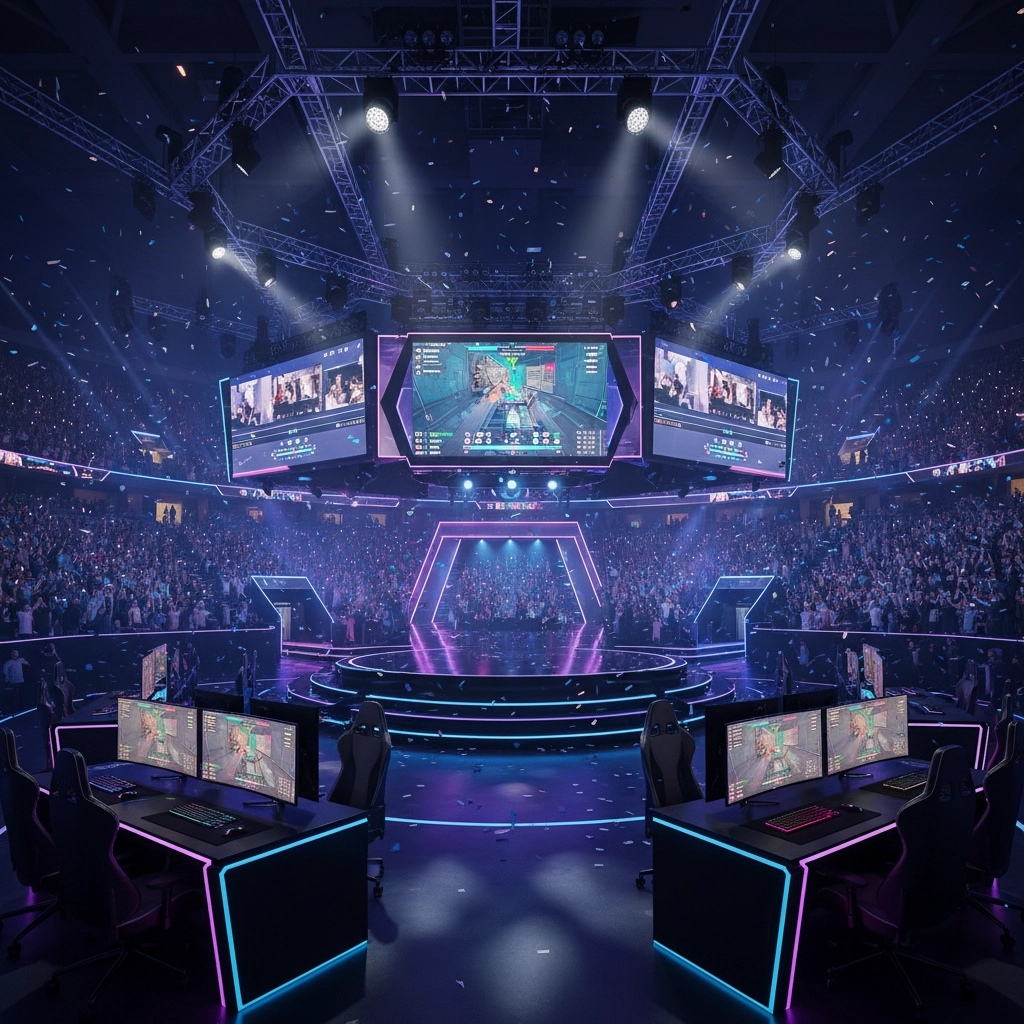
The key is connecting each activation to their specific business goals. If they're launching a new product, show how student-athletes can be authentic early adopters. If they're expanding into new markets, demonstrate how your geographic reach aligns perfectly.
Phase 5: Risk Mitigation and Brand Safety
Fortune 1000 brands are paranoid about brand safety – and for good reason. One scandal can erase millions in brand equity. Address their concerns proactively:
Content Guidelines: Clear policies for athlete behavior, social media use, and content creation
Monitoring Systems: Real-time tracking of all brand-associated content
Crisis Management: Predetermined response protocols for potential issues
Legal Protection: Comprehensive contracts with termination clauses
Frame this as partnership insurance, not restrictions. Show them how your systems protect their investment while maximizing impact.
Phase 6: The 4-Year Financial Framework
Here's where most people mess up. They present the total 4-year cost upfront and watch executives flinch. Instead, structure it strategically:
Year 1: Foundation investment – $125K (includes setup, initial activations, baseline measurement)
Year 2: Growth phase – $125K (expanded reach, optimized campaigns, enhanced activations)
Year 3: Scale phase – $125K (maximum efficiency, proven ROI, market dominance)
Year 4: Innovation phase – $125K (next-generation activations, competitive moats)
Show how their investment efficiency improves each year while their market position strengthens. Include performance bonuses tied to specific KPIs – brands love paying for results.

Phase 7: Urgency Without Desperation
Creating urgency with Fortune 1000 brands requires finesse. They hate being pressured, but they also don't want to miss opportunities. Use strategic scarcity:
Timeline Urgency: "Q1 partnerships receive additional activation windows during March Madness season"
Competitive Urgency: "Two major brands in adjacent categories have expressed interest"
Value Urgency: "Founding partner rates lock in current pricing through 2029"
Never say "limited time offer" – instead, use "partnership window" or "exclusive opportunity timeline."
The Championship CTA
Your call-to-action should feel like an invitation to win, not a request for money. Try this structure:
"Ready to dominate the Gen Z market for the next four years? Let's schedule a 20-minute strategy call where I'll show you the specific ROI projections for [Brand Name] and how we can customize this partnership around your Q2 product launch."
Include multiple contact options and suggest a specific timeframe: "I'm holding spots for two Fortune 1000 partners – shall we lock in your strategy session for this Thursday or Friday?"
Closing the Loop
Remember, Fortune 1000 sponsorship decisions involve multiple stakeholders. Your proposal needs to work for the marketing director, the finance team, the legal department, and the C-suite. Keep it simple enough for executives to understand but detailed enough for analysts to defend.
The brands writing the biggest checks aren't looking for vendors – they're hunting for strategic partners who can help them win markets. Position yourself as their competitive weapon in the battle for Gen Z attention, and that $125K investment starts looking like the bargain of the decade.
When Fortune 1000 brands see clear ROI, authentic audience connections, and strategic market positioning, they don't hesitate. They write checks. Make sure yours is the proposal that makes their decision easy.