

Stadium advertising is a $2.8 billion industry, but here's the brutal truth: most venues are throwing money down the drain with outdated strategies that completely miss how modern sports fans actually consume content. While you're still thinking about static banners and basic scoreboard ads, today's fans are demanding interactive experiences, real-time engagement, and personalized content that makes them feel like participants, not spectators.
The stakes couldn't be higher. A single poorly executed advertising campaign can cost your venue tens of thousands in lost sponsorship revenue, while venues that nail fan engagement are seeing 300% higher sponsor renewal rates. Let's dive into the seven critical mistakes that are sabotaging your stadium advertising ROI and explore how successful venues are adapting to the reality of fan behavior in 2025.
Mistake #1: Poor Sightline Planning That Destroys Sponsor Visibility
This is the granddaddy of all stadium advertising failures. Installing signage without thoroughly analyzing viewing angles from every seat, camera position, and temporary event setup is like burning sponsor money in the parking lot. When railings, overhangs, or even temporary equipment blocks sponsor signs during broadcasts or live events, you're looking at 60-80% reduced visibility – and sponsors notice.
The financial impact is devastating. Venues often face $20,000-$50,000 per sign in relocation costs, or worse, they have to negotiate reduced sponsorship rates that impact revenue for years. Smart venues now use 3D modeling software to test sightlines during the design phase, ensuring every sponsor dollar delivers maximum visibility.

Mistake #2: Choosing Materials That Can't Handle the Heat
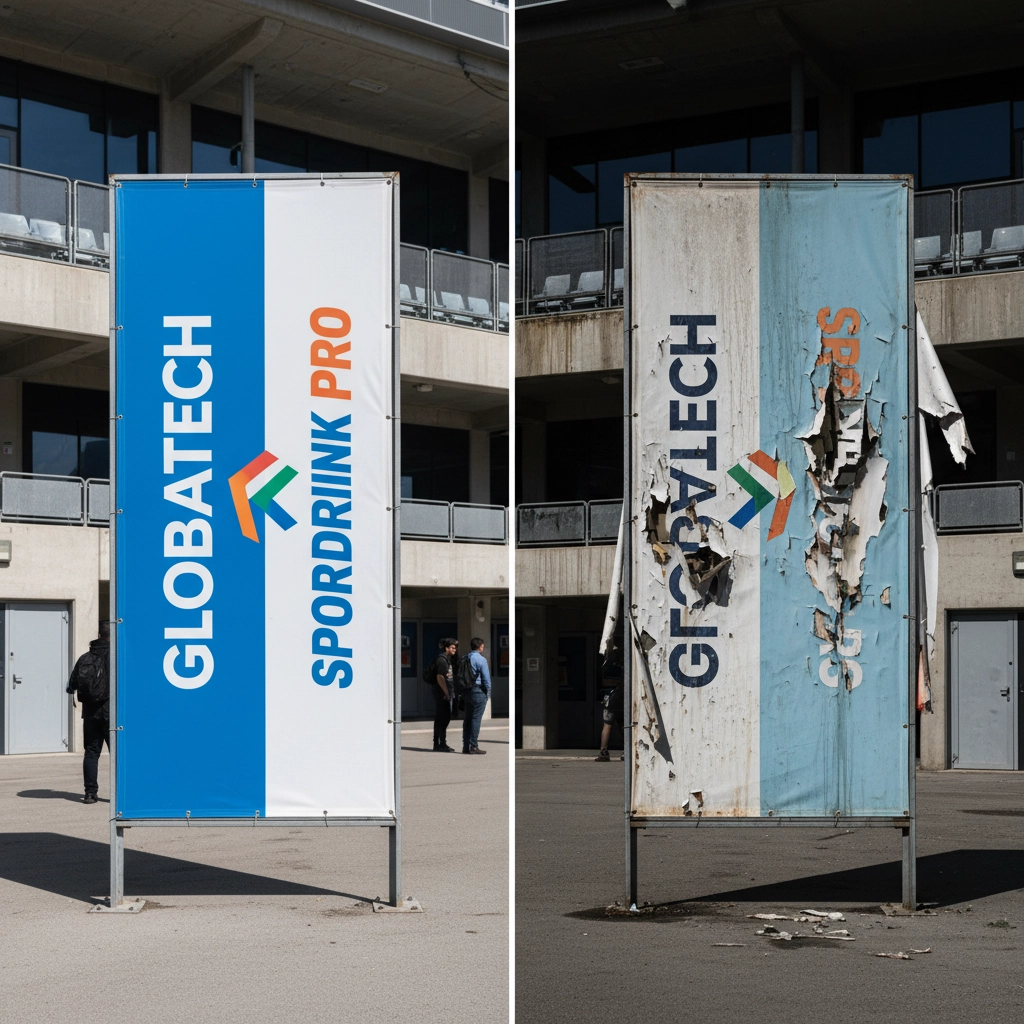
Literally. Arena environments are brutal on signage materials, with intense UV exposure, humidity fluctuations, and aggressive cleaning protocols that quickly destroy substandard materials. Venues using cheap substrates and finishes often see faded, warped, or peeling signage within 2-3 years instead of the expected 7-10 year lifespan.
This mistake effectively doubles or triples your signage budget over time. Premium venues invest in UV-resistant, arena-grade materials that maintain sponsor brand integrity throughout their entire lifespan. It's not just about durability – it's about protecting your venue's professional image and sponsor relationships.
Mistake #3: Brand Inconsistency Across Digital and Static Displays
Picture this: Your LED ribbon boards show crisp, vibrant sponsor logos while your static banners display faded, mismatched versions of the same brands. Different fonts, incorrect colors, and inconsistent logo treatments between digital displays, banners, and wayfinding systems create an unprofessional appearance that sponsors hate.
When sponsors perceive inconsistent brand presentation, they negotiate reduced rates or take their dollars to venues with more cohesive brand environments. Successful venues establish comprehensive brand guidelines that ensure every touchpoint – from digital displays to bathroom signage – maintains consistent sponsor representation.
Mistake #4: Ignoring ADA Compliance and Safety Regulations
This mistake can literally shut down your venue. Overlooking accessibility requirements and safety codes doesn't just create expensive retrofit situations – it opens your venue to legal liability that can cost hundreds of thousands in fines and settlements. Non-compliant signage often results in legal costs that exceed original signage budgets by 300-500%.
Modern venues work with compliance experts during the planning phase to ensure all signage meets current ADA standards, fire codes, and local regulations before installation. It's not just about avoiding fines – it's about creating inclusive environments that welcome all fans.
Mistake #5: Installing Premium Digital Displays Without Content Management Strategy
Here's where venues really waste money. Installing $100,000+ LED displays, ribbon boards, or video walls without robust content management capabilities is like buying a Ferrari and never taking it out of first gear. Premium digital displays generate minimal ROI without proper content scheduling, real-time updating, and dynamic advertising capabilities.
Venues with inefficient digital management achieve only a fraction of potential advertising revenue from their digital signage investments. The solution? Implement comprehensive content management systems that transform expensive digital displays into dynamic revenue-generating assets.
Mistake #6: Creating One-Way Advertising Content
This is where most venues completely misunderstand modern fan behavior. Broadcasting content without opportunities for fan interaction represents a massive missed opportunity in 2025. Today's sports fans don't want to be talked at – they want to participate, share, and feel connected to the experience.
Modern fans expect interactive elements like mobile voting, augmented reality features, and social media integration that makes them feel like participants rather than passive viewers. The difference between loyal superfans and one-time attendees often comes down to how well your venue engages them across digital touchpoints.
Mistake #7: Ignoring Mobile-First Design Principles
This might be the most expensive mistake on our list. With 85% of sports fans interacting via mobile devices, creating advertising content or digital experiences that aren't mobile-optimized alienates the majority of your audience. Fans today expect seamless integration between in-venue displays and their personal devices.
Successful venues design experiences that extend from stadium screens to fans' phones, creating connected experiences that drive higher engagement and provide valuable data for sponsors. Mobile-first isn't just about responsive design – it's about understanding how fans actually consume content in 2025.
How Sports Fans Really Engage in 2025
Here's what venue operators need to understand: fan behavior has fundamentally shifted. Today's sports fans, especially younger demographics, expect more than highlights and scores. They want increased access, greater connection to athletes and teams, and personalized viewing experiences that make them feel like insiders.
Real-Time Content Drives Everything
Live content equals loyalty. Posting updates hours after events end is like serving yesterday's pizza – nobody wants it. Fans want real-time interaction, behind-the-scenes access, and immediate content that keeps them engaged throughout the entire venue experience.
Personalization Beats Mass Broadcasting
Sending the same generic updates to all fans reduces engagement effectiveness dramatically. Fans want relevance, not spam. Successful venues use data-driven personalization to deliver content based on individual preferences, seating location, and engagement history.
Multi-Platform Community Building
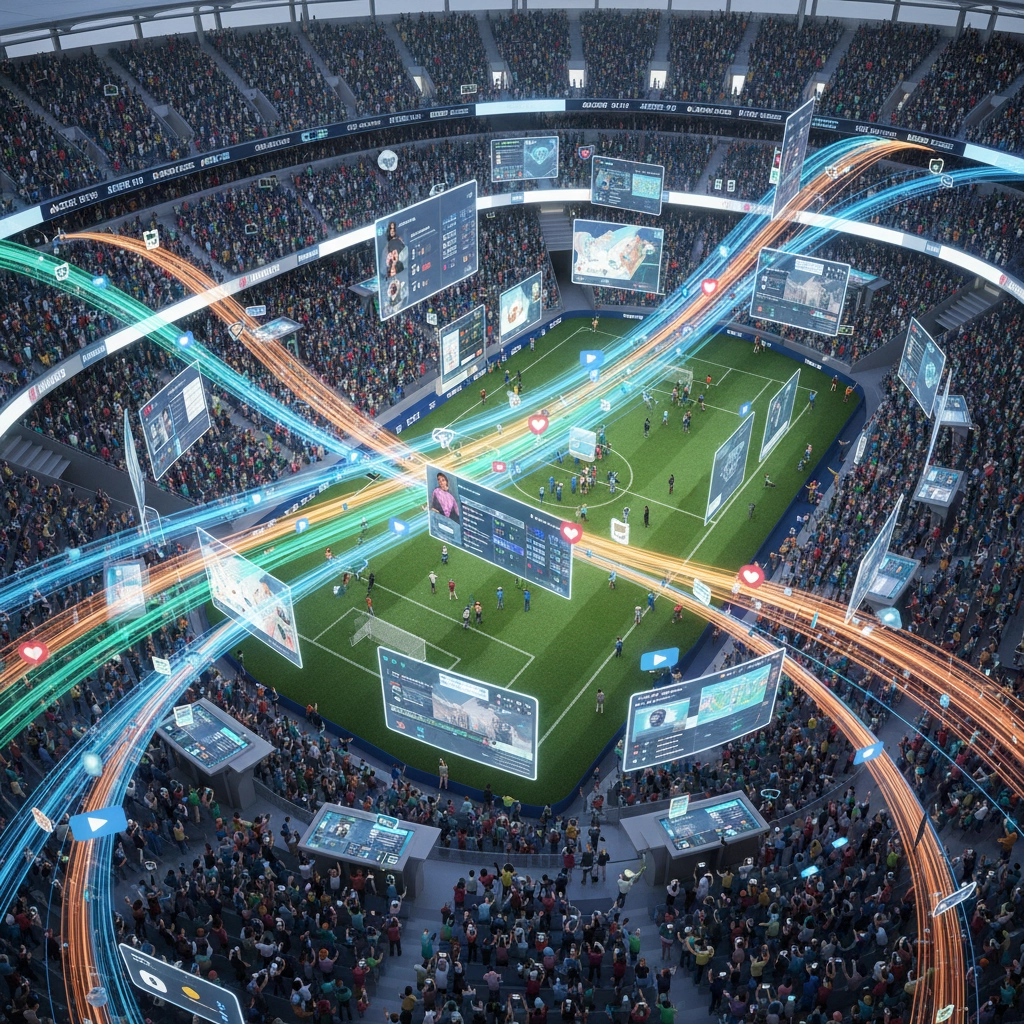
Relying solely on social media limits your engagement potential because you're building on rented digital space. Smart venues create independent audience ecosystems that integrate e-commerce, digital experiences, and community building across multiple touchpoints.
Interactive Experiences Create Superfans
Fantasy sports apps have trained fans to expect participation, not just observation. Venues that provide interactive elements like mobile voting, augmented reality features, and gamified experiences see dramatically higher fan loyalty and sponsor engagement.
Strategic Solutions for Modern Stadium Advertising
Invest in Comprehensive Planning
Strategic planning and design expertise prevent costly visibility issues by modeling sightlines during the initial design phase. This ensures optimal visibility from all critical viewing positions and prevents expensive retrofits down the line.
Implement Data-Driven Decision Making
Posting content without measuring results wastes advertising investments. Successful venues use comprehensive analytics to track fan engagement, conversion rates, and ROI across all advertising touchpoints. Data should drive decisions, not guesswork.
Upgrade Technology Infrastructure
Strategic digital signage implementation includes comprehensive content management systems that maximize advertising revenue while delivering dynamic fan experiences. This transforms expensive displays into revenue-generating assets rather than static installations.
Focus on Content Strategy
The most successful venues in 2025 aren't just selling advertising space – they're creating advertising experiences. This means developing content strategies that engage fans while delivering sponsor value through interactive, personalized, and mobile-optimized experiences.
The financial stakes are enormous. A single poorly positioned sponsor sign can cost your venue tens of thousands in lost advertising value, while venues that successfully avoid these seven mistakes and embrace modern fan engagement see dramatically higher sponsor satisfaction and renewal rates.
By understanding these critical mistakes and adapting to how fans actually engage in 2025, your venue can protect advertising investments while building stronger, more profitable relationships with both sponsors and fans. The choice is simple: evolve with fan behavior or watch your advertising revenue walk out the door to venues that understand the modern sports experience.