
Super Bowl LX just went down at Levi's Stadium, and if you weren't paying attention to what happened both on AND off the field, you missed the biggest playbook for the future of sports marketing. The Seahawks beat the Patriots 29-13, but the real winners? The brands and organizations that understood how sports entertainment is becoming the ultimate talent pipeline and fan engagement machine.
Let's break down the 10 game-changing insights every fan and brand needs to know about where sports marketing is headed.
1. The Stadium Is Now a Fortune 100 Recruiting Center
Here's what most people missed while watching Bad Bunny's historic halftime performance: Levi's Stadium wasn't just hosting a football game. It was operating as a massive talent funnel for Fortune 100 companies. With 68,500 fans in attendance and millions streaming, the venue became a testing ground for workforce development strategies that connect STEM education with real-world application.
Smart brands are realizing that stadium experiences aren't just about selling products anymore. They're about identifying, engaging, and nurturing the next generation of talent. Think about it: every person scanning a QR code for exclusive content, every fan interacting with gamified experiences, every student-athlete managing their NIL deals in real-time – they're all demonstrating digital fluency and business acumen that Fortune 100 companies desperately need.

2. NIL Is Reshaping the Entire Sports Marketing Ecosystem
The NIL revolution isn't just changing college sports. It's fundamentally transforming how brands connect with audiences. Student-athletes are becoming micro-entrepreneurs, learning skills in personal branding, contract negotiation, social media management, and financial literacy before they even graduate.
This creates unprecedented opportunities for brands willing to think differently. Instead of spending millions on a single celebrity endorsement, forward-thinking companies are building relationships with hundreds of student-athletes across multiple sports and schools. The result? Authentic connections with hyper-local audiences and a built-in talent pipeline of business-savvy young professionals who already understand brand partnerships.
Our NIL platform is helping brands navigate this new landscape, connecting them with student-athletes who are ready to create genuine engagement at scale.
3. "Any Sport, Any Venue, Anytime" Is the New Reality
Super Bowl LX proved that the traditional sports calendar is dead. With the Pro Bowl happening in San Francisco during Super Bowl week, regional events spanning San Jose to Santa Clara, and digital activations running 24/7, we're living in an "always-on" sports culture.
Brands need infrastructure that can activate across ANY sport, in ANY venue, at ANY time. Whether it's a high school basketball game in Nebraska or a professional esports tournament in Los Angeles, the opportunity to connect with passionate fans exists everywhere. The question is: do you have the reach and flexibility to capitalize on it?
Check out this video to see how this omnichannel approach is revolutionizing fan engagement and creating opportunities that didn't exist even two years ago.
4. In-Venue Advertising Has Evolved Beyond Recognition
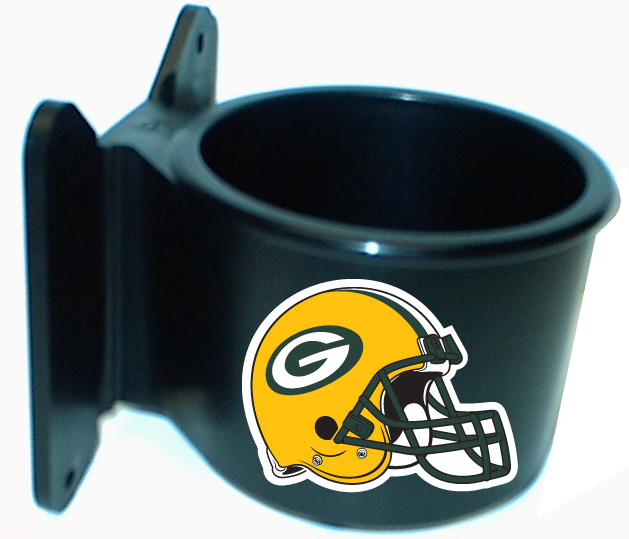
Gone are the days when stadium advertising meant static billboards and PA announcements. Super Bowl LX showcased how every surface, every moment, and every fan interaction can become a branded experience. From smart cup holders with integrated NFC technology to AR-enhanced concourse experiences, the modern stadium is a living, breathing marketing platform.
What makes this especially powerful is the data capture. When fans interact with stadium and arena advertising, brands aren't just getting impressions – they're getting behavioral insights, preference data, and direct conversion opportunities.
5. Esports Pods Are the New STEM Labs
Here's where things get really interesting for education infrastructure and workforce development. Esports pods – fully equipped gaming and streaming facilities – are popping up in high schools and community centers across the country. They're not just for playing games. They're teaching students coding, video production, event management, data analytics, and digital marketing.
Fortune 100 companies are catching on fast. These pods serve as recruitment outposts, allowing companies to identify talent years before they hit the job market. Students who manage esports teams are learning project management. Those who stream are mastering content creation and audience engagement. The kids analyzing game stats are developing data science skills.
This is infrastructure investment that pays dividends for decades. It's preparing the next generation for jobs that require digital fluency while creating authentic brand touchpoints with Gen Z and Gen Alpha.

6. Bad Bunny's Halftime Show Wasn't Just Entertainment – It Was a Master Class in Cultural Marketing
The first Latin male artist to headline a Super Bowl halftime show wasn't just a historic moment for representation. It was a strategic signal about where audience growth is happening. The Latino market represents massive purchasing power and cultural influence, and brands that understand how to authentically engage this audience are winning big.
This isn't about token gestures or superficial diversity efforts. It's about recognizing that cultural competency is a business imperative. The brands that succeed in the next decade will be those that build genuine relationships across diverse communities, not just during heritage months but year-round.
7. Green Day's Opening Ceremony Highlighted the Multigenerational Opportunity
Six decades of Super Bowl history represented in one opening ceremony wasn't just nostalgia – it was a reminder that effective sports marketing must engage multiple generations simultaneously. Baby Boomers, Gen X, Millennials, Gen Z, and now Gen Alpha all consume sports differently, but they're all passionate fans.
The brands crushing it right now are those with omnichannel strategies that meet fans where they are. That means traditional TV broadcasts, streaming platforms, social media activations, in-venue experiences, and emerging platforms like VR and spatial computing. One-size-fits-all marketing is dead.

8. Data Analytics Isn't Optional Anymore – It's the Foundation
Every successful activation at Super Bowl LX was built on sophisticated data analysis. Which fan segments respond to which messages? What time of day drives peak engagement? How do weather conditions affect merchandise sales? What concession stand layout maximizes per-fan spending?
Brands that treat sports marketing as gut instinct are getting demolished by competitors using data analytics to optimize every decision. The good news? The technology and expertise to do this are more accessible than ever. The bad news? If you're not using it, your competition definitely is.
9. The Super Bowl Is a 365-Day Investment, Not a One-Day Ad Buy
The brands that won Super Bowl LX started their campaigns months earlier and will continue them for months after. They understand that the game itself is just the peak moment in a year-long conversation with fans. Pre-game activations, watch party sponsorships, post-game analysis content, and ongoing fan engagement all contribute to ROI.
This requires thinking like a media company, not just an advertiser. It means creating valuable content, building communities, and providing ongoing value to fans. The brands doing this effectively are seeing customer lifetime value that dwarfs traditional advertising metrics.
10. Youth Education Programs Are the Ultimate Long Game
Here's the insight most brands miss: the fans who will drive your business in 2035 are in middle school right now. Forward-thinking organizations are investing in youth education programs that teach kids about sports marketing, business, and media while building brand affinity that lasts a lifetime.
These programs also serve workforce development goals. Students who participate in sports business education programs develop skills in marketing, finance, operations, and communication. They graduate ready to contribute to Fortune 100 companies immediately. It's talent funnel strategy disguised as community outreach, and it's incredibly effective.

The Bottom Line
Super Bowl LX wasn't just about who won the game. It was a showcase of how sports marketing has evolved into a sophisticated, data-driven, culturally intelligent discipline that serves multiple business objectives simultaneously: brand building, talent acquisition, workforce development, and community engagement.
The organizations thriving in this new landscape are those that understand sports aren't just entertainment – they're infrastructure for building the future. Whether you're a Fortune 100 company looking for your next generation of talent, a brand trying to connect authentically with diverse audiences, or an educational institution preparing students for tomorrow's jobs, sports provide the platform.
Ready to activate your own winning strategy? Explore our solutions and discover how any sport, any venue, anytime can become your competitive advantage.
The game might be over, but the opportunity is just beginning.