
Welcome back to Day 2 of our sports mastery series. Yesterday, we hit the slopes for some skiing safety, but today, we are stepping onto the grass. There is nothing quite like the smell of a fresh baseball glove or the sound of a bat connecting with a ball. For many kids, the baseball diamond is their first real classroom. It is a place where they learn that success is not just about raw talent, it is about the infrastructure of their skills.
At Sports Media Inc., we look at youth sports through a unique lens. While your child is learning to run the bases, we are seeing the beginning of a Fortune 100 talent funnel. The discipline, data literacy, and strategic thinking developed in baseball are the exact same traits required for the high-stakes workforce of tomorrow. Whether they are analyzing their batting average or coordinating a double play, they are building the STEM readiness that modern companies crave.
Before we dive into the top 10 basics, make sure you check out our How to Learn and Play Sports YouTube Kids playlist. It is the perfect visual companion to help your little pro visualize these moves before they even step on the field.
1. The Proper Grip
Everything in baseball starts with how you hold the ball. For a beginner, the four-seam grip is king. Teach your child to place their index and middle fingers across the "horseshoes" or the seams of the ball. This grip provides the most stability and accuracy. Think of this as the foundation of their technical infrastructure. Without a solid grip, the rest of the "system" cannot function properly.
2. The Batting Stance
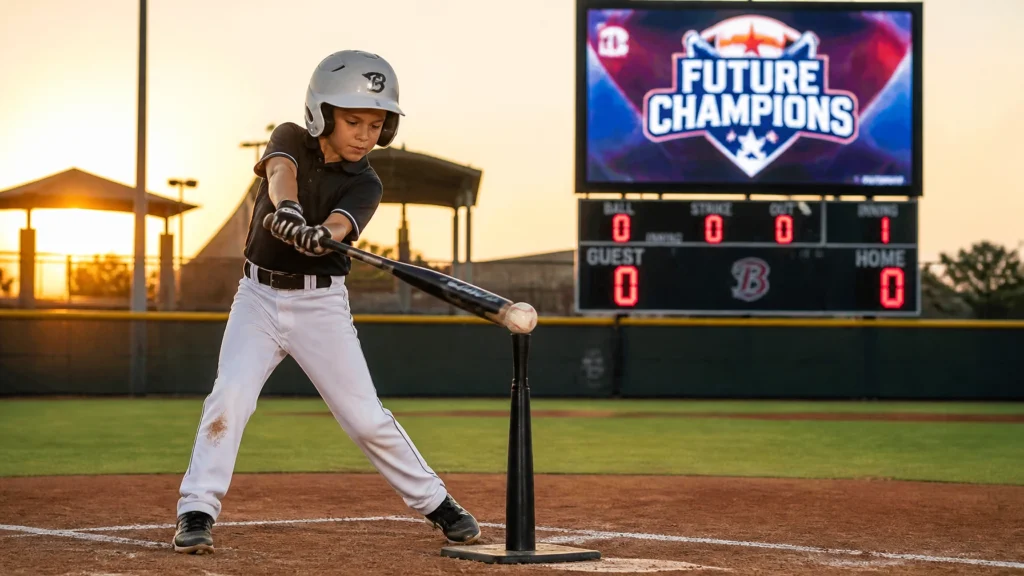
A great hitter starts with a balanced stance. Feet should be shoulder-width apart, knees slightly bent, and eyes locked on the pitcher. We often tell kids to "be like a spring." You want to be coiled and ready to explode toward the ball. This readiness is a great metaphor for workforce development. Being prepared and balanced allows you to react to any curveball life throws at you.
3. The "High-Five" Catch
When catching a ball above the waist, the glove should be up, just like giving someone a high-five. If the ball is below the waist, the fingers of the glove should point toward the ground. This simple visual helps kids overcome the fear of the ball and builds their hand-eye coordination.

4. Step and Throw
Throwing is a full-body motion. Kids often try to throw with just their arm, but the power comes from the legs. Teach them to point their lead shoulder at the target, step toward it with their front foot, and follow through. This "step and throw" rhythm is the basis of effective communication on the field.
5. Running the Bases
Base running is not just about speed, it is about logic and efficiency. A runner must touch every base in order: home to first, then second, third, and back home. In the corporate world, this is called following a process. Teaching kids to touch every bag ensures they understand that you cannot skip steps if you want to reach the goal.
6. The "Alligator" Field
When a ground ball comes their way, kids should use the "alligator" technique. The glove is the bottom jaw, and the bare hand is the top jaw. They should "chomp" down on the ball to secure it. This two-handed approach minimizes errors and emphasizes the importance of using all available resources to solve a problem.
7. Understanding the "Strike Zone"
The strike zone is the invisible window over home plate, roughly from the child's armpits to their knees. Learning this helps hitters develop discipline. They learn to wait for the "right data" before they commit to a swing. This is a fundamental skill in STEM and analytics: knowing when to act and when to hold back.
8. Defensive Positions
Every player on the field has a specific job. From the pitcher to the center fielder, everyone is part of a modular team. At Sports Media Inc., we often discuss the concept of "Esports Pods" as a modern evolution of this. Just as a shortstop must trust the first baseman, a digital strategist must trust their data analyst. Learning these roles early builds a collaborative mindset.

9. Learning from a "Strikeout"
In baseball, even the best players fail seven out of ten times. Resilience is the most important "soft" infrastructure a child can build. Striking out is not the end, it is an opportunity to analyze what went wrong and adjust for the next at-bat. Fortune 100 companies prioritize candidates who can pivot and learn from failure.
10. Sportsmanship and Teamwork
At the end of every game, the high-fives and "good game" chants are more than just a tradition. They are a sign of emotional intelligence. Being a good teammate means celebrating others' successes as much as your own. This is the cornerstone of any healthy organizational culture.

From the Diamond to the Digital Pod
You might wonder why a sports media company is so focused on Fortune 100 talent funnels and STEM readiness. The answer is simple. The infrastructure of the future is being built right now on our community ballfields and in our schools. At Sports Media Inc., we are bridging the gap between traditional athletics and the digital frontier.
Our Youth Education initiatives are designed to take the energy of live sports and channel it into STEM-heavy environments like our "Esports Pods." These pods are small, stable teams where kids learn real-time decision-making, digital collaboration, and complex systems thinking.
When a brand sponsors a "Future Champions Zone" or uses Sportrons to reach families, they are not just buying an ad. They are investing in the infrastructure that keeps kids engaged in these skill-building activities. Whether it is through NIL platforms for student-athletes or interactive kiosks in stadiums, we are creating touchpoints that link passion for the game to future career success.
The Long-Term ROI of Play
Investing time in teaching your child these baseball basics is the first step in a much longer journey. You are giving them the tools to navigate a complex, data-driven world. By the time they reach high school and start participating in Esports and NIL opportunities, they will have the grit and strategic mind to excel.
Fortune 100 companies are looking for the "all-stars" of tomorrow. They want people who understand teamwork, who are not afraid of data, and who can stand tall in the batter's box when the pressure is on. So, grab a glove, find a park, and start building that talent funnel today.
Don't forget to keep the learning going at home! Head over to the Sports Media YouTube Kids playlist for more drills, tips, and inspiration for every sport your little athlete wants to try. We will see you back here tomorrow for Day 3, where we take these skills to the court for some basketball fundamentals!

5 Social Media Hooks for the Fortune 100 Talent Funnel
-
The Diamond is the New STEM Lab: Did you know youth baseball builds the exact same logic and data-literacy skills required for a career in engineering? Discover how we are turning the ballpark into a Fortune 100 talent funnel. #STEM #YouthSports #TalentFunnel
-
From Shortstop to Software Engineer: Teamwork on the infield is the ultimate training for corporate collaboration. Learn how Sports Media Inc. is using "Esports Pods" to bridge the gap from physical grit to digital strategy. #WorkforceDevelopment #Esports #SportsMedia
-
Infrastructure Starts at Home Plate: We don't just see a game, we see the infrastructure of future success. Find out why Fortune 100 companies are looking for the resilience built on the baseball diamond. #Leadership #EducationInfrastructure #FutureLeaders
-
The Power of the Pod: Modular teams are the future of work. Our "Esports Pod" strategy takes the best of baseball's team dynamics and applies them to STEM readiness. Is your student ready for the funnel? #DigitalLiteracy #STEMReady #EsportsPod
-
Investing in Play, Investing in the Future: When brands support youth sports, they are funding the talent funnel of tomorrow. See how our in-stadium activations are driving STEM interest and workforce readiness. #SportsMarketing #ROI #Fortune100