
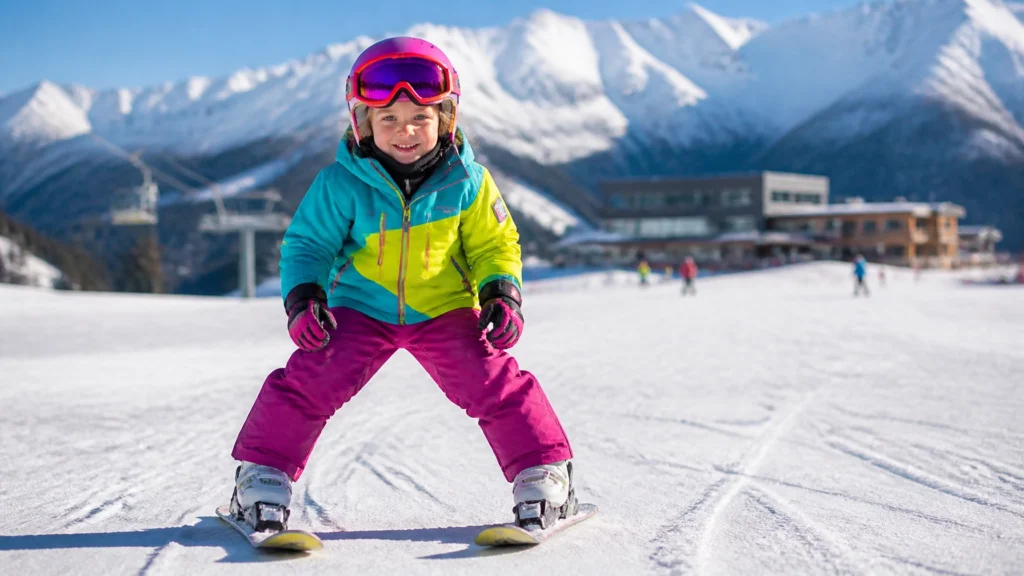
Winter is finally here, and for many parents, that means it is time to hit the slopes. Skiing is more than just a seasonal hobby. It is the beginning of a lifelong journey in discipline, physical literacy, and even STEM readiness. At Sports Media Inc., we believe that every time a child clicks into their bindings, they are entering a premier talent funnel that builds the skills Fortune 100 companies crave, including resilience, strategic thinking, and a deep understanding of physical laws.
Teaching your child to ski can feel like a daunting task, but it all starts with one fundamental move: the pizza stance. This "snowplow" technique is the infrastructure of a child’s skiing career. It provides the control they need to stay safe while they explore the mountain. In this guide, we will break down the pizza stance into five easy steps and show you how early sports education serves as a foundation for future workforce development and STEM success.
Before we dive into the steps, be sure to check out our Sports Media "How to learn and play Sports" YouTube Kids playlist for visual demonstrations that make learning even easier for your little ones.
The First Talent Funnel: Why Skiing Matters for the Future
When we think of a Fortune 100 talent funnel, we often think of college internships or high-level coding bootcamps. However, the true infrastructure of a world class workforce begins much earlier. Youth sports represent the first major stage of talent development. Skiing, in particular, requires a unique blend of physical coordination and mental fortitude.
By learning the pizza stance, kids are actually engaging in a practical physics lesson. They are exploring friction, gravity, and angles. These are the building blocks of STEM readiness. When a child learns to control their speed by adjusting the angle of their skis, they are practicing the kind of data-driven decision making that engineers and data scientists use every day. This is why we advocate for sports as a critical education infrastructure.
Step 1: Gear Up with the Right Infrastructure
Safety is the absolute priority on the mountain. Before your child even touches the snow, you must ensure their "personal infrastructure" is solid. This means high-quality, professional gear that fits correctly.
- The Helmet: A certified ski helmet is non-negotiable. It protects the most important asset your child has for their future career: their brain.
- The Boots: They should be snug but not painful. Proper boot fit is essential for the sensory feedback needed to master the pizza stance.
- The Skis: Beginner skis should be shorter, typically reaching between the child’s chest and chin. This makes maneuvering the triangle shape much easier.
Establishing a routine around gear checks teaches kids the importance of preparation and maintenance. These are key habits for any high performance environment, whether it is a ski resort or a Fortune 100 corporate office.

Step 2: Understand the Physics of the Triangle
The "pizza stance" is essentially a wedge. To perform it, the child must point the tips of their skis toward each other while keeping the tails far apart. This creates a triangle shape.
Why does this work? It is all about friction. By increasing the surface area and the angle of the skis against the snow, the child creates resistance. This resistance counteracts the force of gravity pulling them downhill.
Parent Tip: Have your child practice making the "pizza slice" on flat ground first. Tell them to imagine their skis are a giant piece of pizza. The tips are the point of the slice, and the tails are the crust. If they can make a "big slice" (wide tails), they will stop faster. If they make a "small slice" (narrower tails), they will glide slowly.
Step 3: Master Body Position and STEM Readiness
Balance is the core of both skiing and long term physical development. To maintain a proper pizza stance, your child needs to stay centered over their skis.
- Hands Forward: Tell them to keep their hands out in front as if they are holding a tray of hot chocolate. This prevents them from leaning too far back, which is a common mistake that leads to falls.
- Slight Knee Bend: Their knees should be soft and slightly bent. This acts as a natural shock absorber, allowing them to navigate uneven terrain.
This physical coordination is a form of biomechanical engineering. As kids refine their stance, they are developing the neural pathways associated with complex problem solving. They are learning to adjust their "system" (their body) to external variables (the snow conditions).

Step 4: Speed Control with "Red Light, Green Light"
Once your child understands the shape, it is time to put it into motion on a very gentle slope. The best way to teach speed control is through a game. This makes the lesson engaging and helps build the social-emotional resilience needed for the modern workforce.
The Game: Red Light, Green Light
- Green Light: The child points their skis straight (we call this "French Fries"). They start to glide slowly.
- Yellow Light: The child moves into a "Small Pizza." They should feel themselves slow down but keep moving.
- Red Light: The child pushes their heels out into a "Big Pizza." They should come to a complete stop.
This game reinforces the cause-and-effect relationship between their actions and their speed. It is a fundamental lesson in systems management. For more fun drills like this, our YouTube Kids playlist has plenty of visual guides to keep them motivated.
Step 5: Building Resilience and Workforce Discipline
Mastering the pizza stance takes time. Your child will fall. They might get frustrated. This is where the real "talent funnel" training happens. In the business world, the ability to recover from a setback is called resilience. On the mountain, we call it "getting back up."
Encourage your child to view each fall as a data point. What happened? Did they lean too far back? Were their "French Fries" too straight for the steepness? By analyzing their mistakes in a low-stakes, fun environment, they are developing a growth mindset. This mindset is the ultimate infrastructure for success in any Fortune 100 company.

The Importance of Educational Infrastructure
At Sports Media Inc., we are committed to building the infrastructure that connects play to professional readiness. Whether it is through our Esports Pods that integrate STEM learning with gaming or our youth sports media programs, we focus on the "Future Champions."
Early sports education is not just about the game. It is about building a robust talent funnel. It ensures that the next generation is STEM ready, physically literate, and equipped with the teamwork skills necessary for a global economy.
Next Steps for Your Little Skier
- Watch the Playlist: Sit down with your child and watch the Sports Media "How to learn and play Sports" YouTube Kids playlist together. Visual learning is a powerful tool for motor skill development.
- Practice Daily: Even if you aren't at the mountain, your child can practice the pizza stance in their living room with just their boots on.
- Visit Our Solutions Page: Learn more about how we are transforming the fan experience and youth education at SportsMedia.net/solutions.
Stay tuned for Day 2 of our series, where we will be covering the Baseball Basics and how the "diamond" teaches strategic planning and statistical analysis!

Fortune 100 Talent Funnel: 5 Daily Hooks
Hook 1: The STEM Foundation of Youth Sports
Did you know that the "pizza stance" in skiing is actually a child’s first lesson in friction and gravity? We are exploring how early sports education serves as the essential infrastructure for STEM readiness in the Fortune 100 talent funnel. #STEM #YouthSports #WorkforceDevelopment
Hook 2: Esports Pods: Bridging the Gap to Industry
From the slopes to the screen, infrastructure matters. Our Esports Pods are transforming how students engage with technology, creating a direct pipeline for technical talent. Discover how we are building the next generation of digital leaders. #Esports #EducationInfrastructure #Fortune100
Hook 3: Why Resilience on the Field Scales in the Boardroom
Every fall on a ski slope is a lesson in resilience. Fortune 100 companies are looking for talent that can navigate setbacks with ease. Youth sports are the primary training ground for this critical workforce skill. #Leadership #Resilience #SportsMedia
Hook 4: Data Analytics and the Future Athlete
The same data-driven strategies used in professional sports are now being taught at the youth level. By understanding performance metrics early, young athletes are joining a talent funnel that prizes analytical thinking and strategic planning. #DataAnalytics #SportsMarketing #FutureTalent
Hook 5: Building a Diverse Workforce through Inclusive Sports Infrastructure
Accessibility in youth sports infrastructure is the key to widening the Fortune 100 talent funnel. When we invest in community sports and STEM-integrated programs, we ensure a more diverse and innovative future workforce. #DiversityInSTEM #CommunityImpact #SportsMedia