
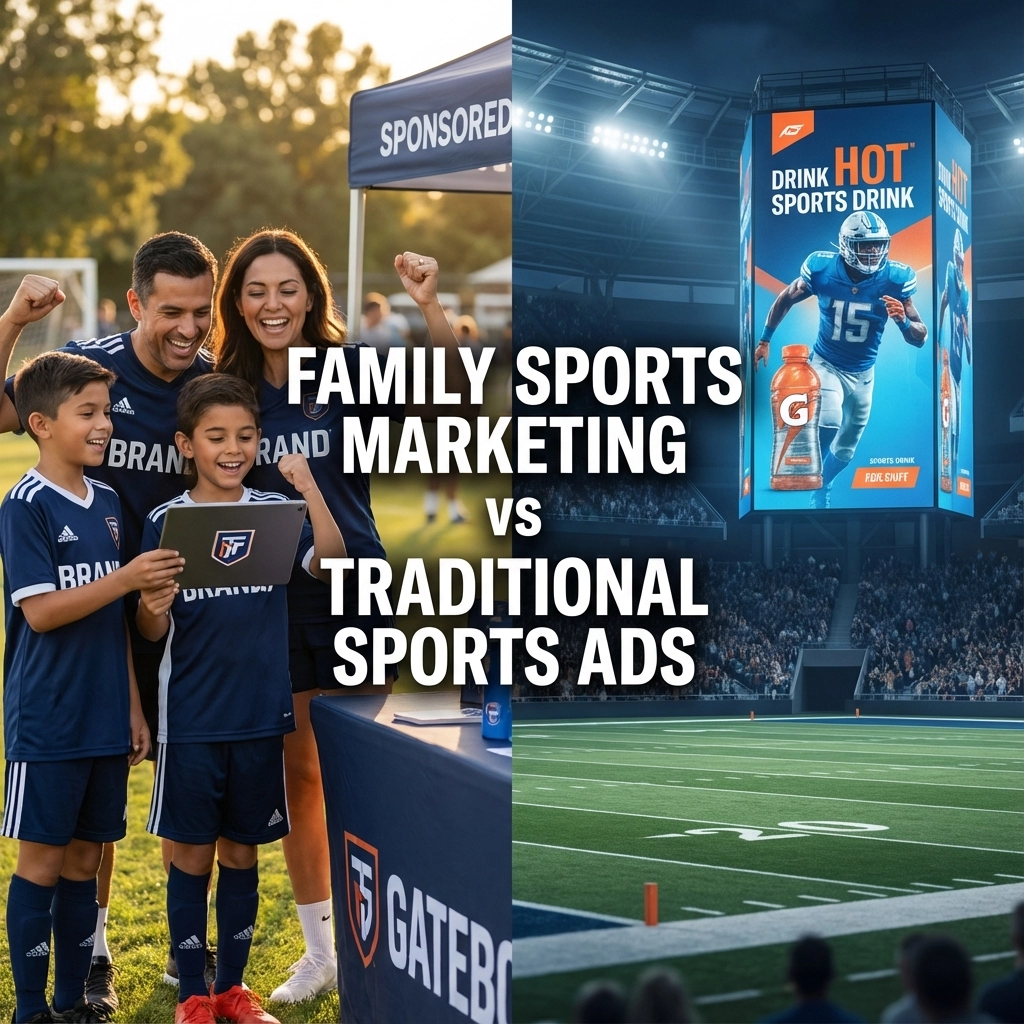
Picture this: You're a brand manager trying to reach families with young kids. Do you drop $7 million on a 30-second Super Bowl ad that flashes by in a blink? Or do you invest that same budget into year-round youth sports sponsorships that put your brand front and center at every game, practice, and team event?
If you're scratching your head over this decision, you're not alone. The sports marketing landscape has completely transformed over the past five years, and the old playbook doesn't work anymore – especially when you're trying to connect with families who have kids aged 3-7.
Here's the game-changing reality: family sports marketing is absolutely crushing traditional sports advertising when it comes to ROI for youth-focused brands. Let me break down why, and more importantly, show you exactly how to make the smart choice for your brand.
The Numbers Don't Lie: Youth Sports is Booming
The youth sports market isn't just growing – it's exploding. We're talking about a market that hit $50.62 billion in 2024 and is projected to reach $114.01 billion by 2032. That's not a typo. We're looking at more than doubling in less than a decade.
But here's what most marketers miss: this isn't just about the size of the market. It's about where families are spending their time, attention, and emotional energy. While 65% of sports fans are ditching traditional pay-TV for streaming services, families with young athletes are spending more time than ever at fields, courts, and community sports venues.

Traditional Sports Advertising: The Old Guard
Let's be honest about traditional sports advertising. When it works, it really works. A well-placed ad during prime time can reach millions of viewers. Sports fans trust sponsors 81% of the time – that's second only to personal recommendations. And brand recall rates for sports advertising consistently outperform other programming genres.
The numbers can look impressive too. Sports fans are 233% more likely to engage with brands on second screens during games, and campaigns typically see an 11% uptick in purchase intent when sponsoring major sports properties.
But here's the catch – and it's a big one. Those impressive stats come with equally impressive price tags. A single 30-second Super Bowl ad costs $7 million. Sponsoring major league properties can easily run into eight figures annually. For most youth-focused brands, these numbers are simply out of reach.
Even worse, traditional sports ads face a fundamental problem: they're interruptions. Parents watching a game with their kids aren't looking for your brand message – they're trying to enjoy family time. Your expensive ad becomes background noise.
Family Sports Marketing: The New Champion
Now let's talk about the approach that's changing everything. Family sports marketing embeds your brand directly into the experiences that matter most to your target audience.
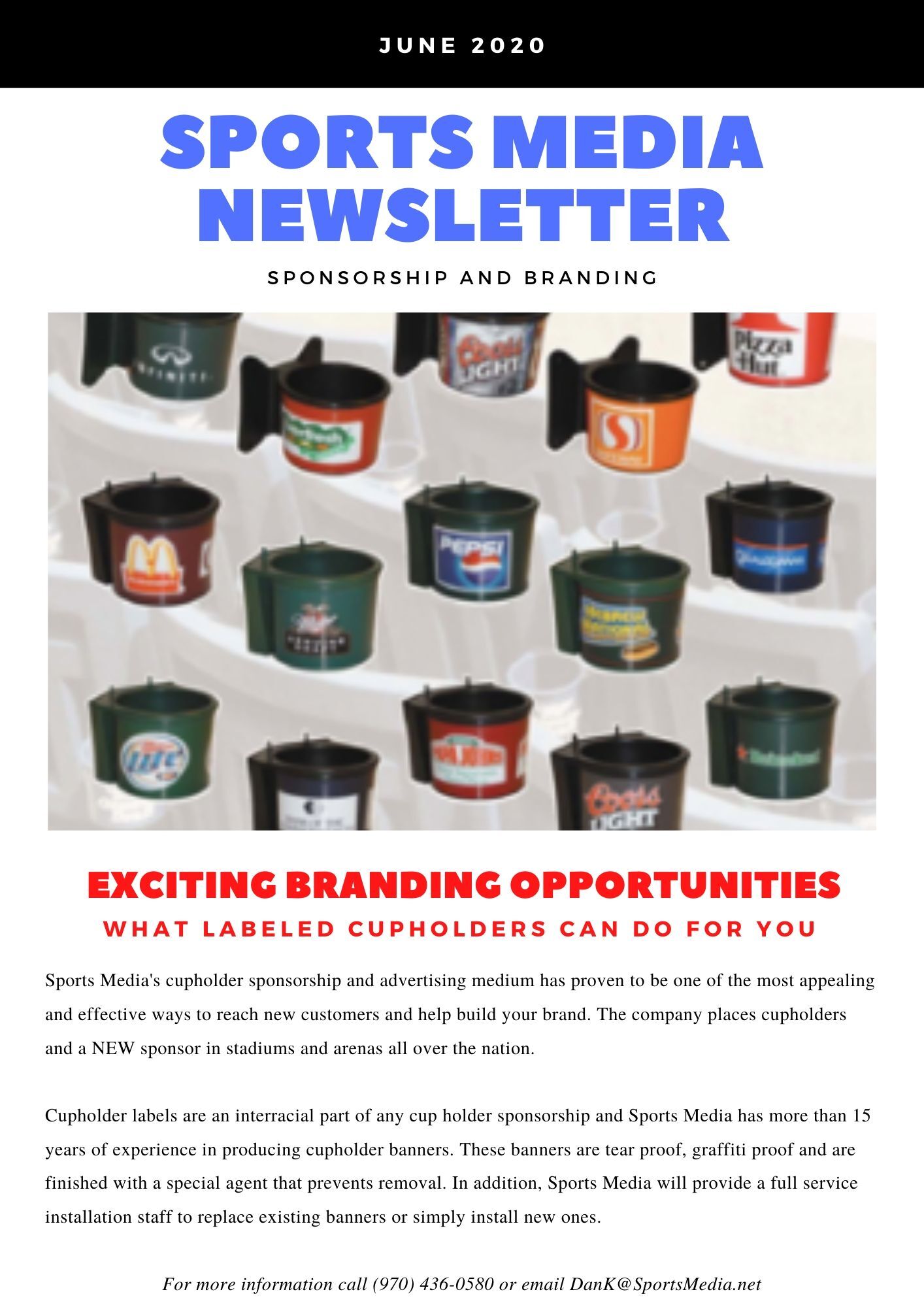
Instead of interrupting a family's game-watching experience, you become part of their child's athletic journey. Your brand is on the jersey, sponsoring the team snacks, or featured on the stadium cup holders that families use every single game.

The cost difference is staggering. While that Super Bowl ad gives you 30 seconds of exposure for $7 million, youth sports sponsorships create months of daily brand exposure to highly engaged families for a fraction of the cost. We're talking about sponsorship packages that can run anywhere from $5,000 to $50,000 annually – and deliver significantly better results.
The ROI Reality Check
Here's where the math gets really interesting. The average sports sponsorship delivers a 3-to-1 media value-to-spend ratio. That's already better than most traditional advertising. But community and youth sports sponsorships? They're hitting ratios of 100-to-1 for targeted audiences.
Let me put that in perspective. If you invest $25,000 in sponsoring a youth baseball league, you could see $2.5 million worth of media value through consistent exposure, organic social media content from families, and community goodwill.
Recent studies show that campaigns using influencer partnerships in sports generate $2.63 in return for every $1 spent. Now imagine instead of paying a single influencer, you're connected with hundreds of family "micro-influencers" who are genuinely excited about your brand's support of their child's team.

Why Families Respond Differently
The psychological difference between traditional sports advertising and family sports marketing is huge. When your brand sponsors little Emma's soccer team, you're not just another advertiser – you're part of the community that's helping their child grow, learn teamwork, and have fun.
Parents share photos of their kids in your branded jerseys on social media. They talk about your brand positively with other parents. Your logo becomes associated with some of the most positive emotions parents experience: pride in their child's achievements and gratitude for community support.
This emotional connection translates into real business results. Families remember brands that support their kids' activities. They choose those brands when making purchasing decisions. And they recommend those brands to other parents.
Digital Amplification: The Hidden Multiplier
Here's something traditional sports advertising can't replicate: organic content creation. Youth sports families are content-generating machines. Every game, every practice, every team event becomes an opportunity for authentic, user-generated content featuring your brand.
Parents post team photos, share game highlights, and celebrate victories – all while your brand is prominently displayed. This organic amplification extends your reach far beyond the initial sponsorship investment.
Consider this: 44% more Americans are now watching sports highlights on social media platforms, and 32% of young adults prefer short-form videos. Youth sports families are creating exactly this type of content, and your brand gets featured organically.
Making the Smart Choice for Your Brand
So how do you decide between traditional sports advertising and family sports marketing? It comes down to three key factors: budget, goals, and audience.
If your budget is under $500,000 annually, family sports marketing wins hands down. You'll get better ROI, deeper engagement, and more authentic connections with your target audience.
If you're looking for national reach and brand prestige, you might consider a hybrid approach. Use targeted family sports marketing for conversion and community building, then complement with selective traditional sports partnerships for broad awareness.
If your primary audience is families with kids aged 3-7, family sports marketing should be your primary focus. These families are spending their time and emotional energy at youth sports events, not watching traditional sports programming.
The Practical Path Forward
Ready to shift your sports marketing strategy? Start small and test. Partner with a local youth sports league for a season. Sponsor a few community teams. Invest in branded items that families will use and see regularly – like the stadium cup holders that Sports Media Inc. specializes in.
Track your results carefully. Monitor not just reach and impressions, but engagement, brand sentiment, and actual sales conversions. You'll likely find that family sports marketing delivers better results across every metric that matters.
The future of youth-focused brand marketing isn't in expensive traditional sports ads that families skip or ignore. It's in becoming a meaningful part of the experiences that families value most: their children's growth, achievement, and joy in sports.
The choice is clear. The question is: are you ready to make the switch and start winning with family sports marketing?