
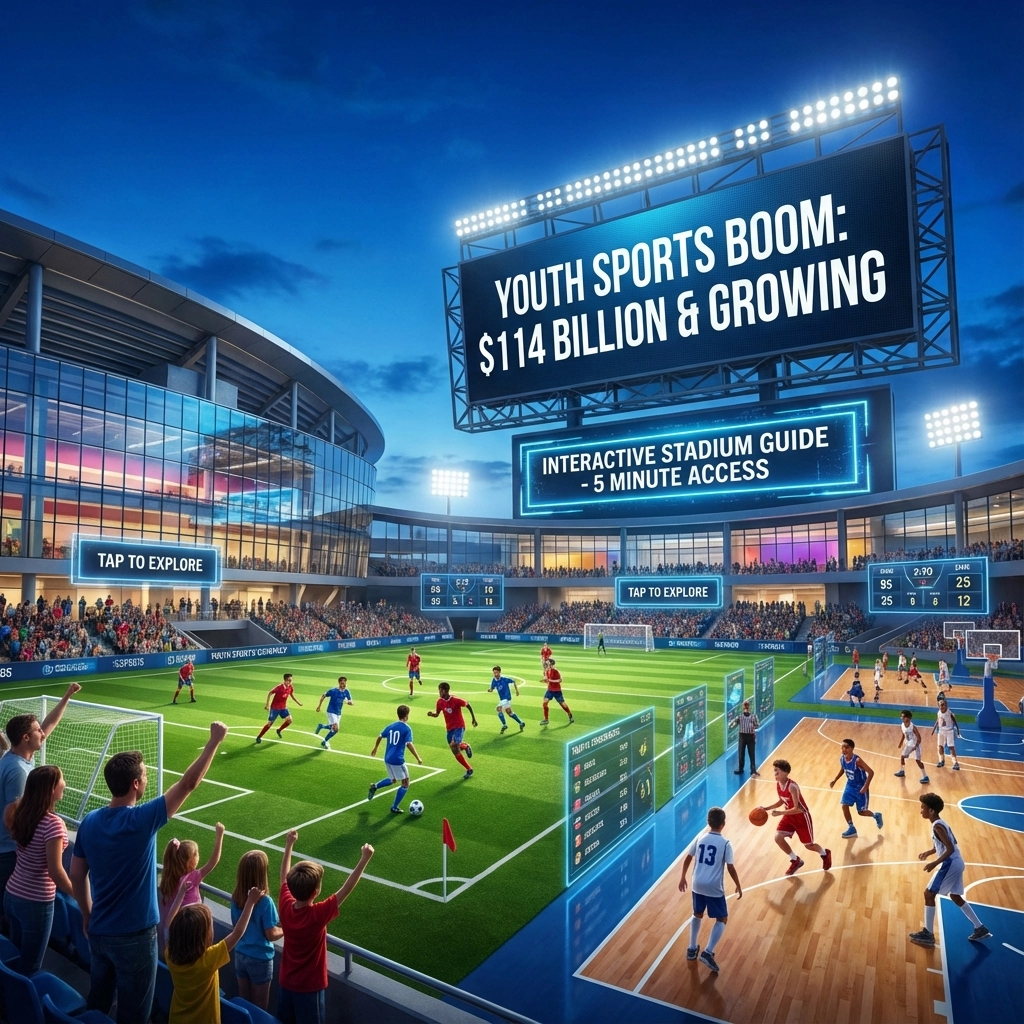
The youth sports market is exploding. We're talking about a $50.62 billion industry in 2024 that's projected to hit $114.01 billion by 2032. That's a whopping 10.68% compound annual growth rate, and smart marketers are already positioning themselves to capture this family-focused goldmine.
But here's the kicker – most brands are still throwing traditional ads at stadium walls and hoping something sticks. Meanwhile, savvy companies are creating interactive experiences that turn little league dreams into lifelong brand loyalty.
Ready to jump in? Let's break down exactly how to tap into this boom in the next five minutes.
The Numbers Don't Lie: Why Youth Sports Marketing is Red Hot
Family spending on youth sports has jumped 46% over the past five years. We're seeing 62% growth in sports technology adoption across training programs, and team-based activities now account for 52% of total youth sports engagement.
But here's what makes this especially juicy for marketers: parents with kids aged 3-7 are the most engaged demographic. They're forming brand preferences that will stick for decades, and they're willing to spend big on experiences that make their little athletes feel special.
The sweet spot? Interactive stadium activations that blend physical play with memorable brand moments.
Quick Win #1: Transform Dead Space Into Play Zones
Every stadium has those awkward corners, wide concourses, and underused areas that scream "missed opportunity." Here's your five-minute action plan:
Map Your Activation Zones: Walk any venue and identify three spaces perfect for 3-7 year old engagement. Look for areas with natural foot traffic where parents are already lingering – near restrooms, concession stands, or main entrances.
Create Mini Sports Experiences: Set up interactive games that mirror the main event but sized for tiny hands. Think mini basketball hoops, soccer penalty kick challenges, or football toss games with your branding front and center.
Make It Instagrammable: Parents of young kids are content creation machines. Design your activation with photo opportunities that naturally showcase your brand while celebrating their little athlete.

Quick Win #2: Gamify the Concession Experience
Those long concession lines? They're not a problem – they're your biggest opportunity.
Digital Scavenger Hunts: Create QR code adventures throughout the venue. Kids scan codes to unlock digital collectibles, mini-games, or augmented reality experiences featuring your brand mascot.
Interactive Ordering Stations: Install kid-height touchscreen kiosks where little ones can "help" order family snacks. Make it feel like a game where they're earning rewards or badges for healthy choices.
Branded Play While You Wait: Install simple interactive displays near high-traffic areas. Touch screens with coloring games, sports trivia at kindergarten level, or "design your own team jersey" activities keep kids engaged while parents make purchasing decisions.
Quick Win #3: Turn Seating Into Smart Marketing
Traditional stadium advertising assumes everyone's watching the field. But families with young kids? They're constantly looking around, getting snacks, taking bathroom breaks, and managing little attention spans.
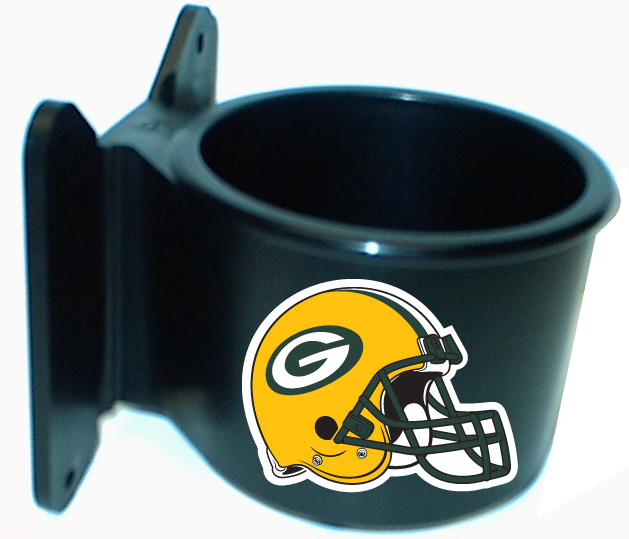
Smart Cup Holder Campaigns: Every seat has a cup holder, and every cup holder is prime real estate for kid-friendly messaging. Create interactive elements that turn beverage breaks into brand moments. QR codes on cup holders can unlock exclusive content, games, or family rewards.
Seat-Back Entertainment: Transform those plastic seat backs into interactive brand experiences. Temporary decals with games, puzzles, or activities that keep kids engaged during timeouts and commercial breaks.
Row-by-Row Engagement: Create activities that span multiple seats in a row. Family challenges, group games, or collaborative art projects that get neighboring families interacting while building positive brand associations.
Quick Win #4: Leverage Technology Kids Already Love
Three to seven-year-olds are digital natives, but they need experiences designed specifically for their developmental stage.
Augmented Reality Photo Opportunities: Set up AR stations where kids can pose with virtual team mascots, try on digital jerseys, or appear to be playing alongside their favorite athletes. Parents love sharing these moments, giving your brand organic social media reach.
Voice-Activated Games: Install kid-friendly voice interaction stations throughout the venue. Simple games like "Cheer as loud as you can" or "Name your favorite team color" create memorable moments while collecting valuable family engagement data.
Interactive Floor Graphics: Use projection mapping or LED floor displays to create interactive games in high-traffic areas. Kids can step on virtual balls, chase digital mascots, or trigger light-up patterns with their movements.

The 3-7 Sweet Spot Strategy
This age group has unique characteristics that smart marketers can leverage:
Attention Span Hacking: Design all interactions to be completable in 30-90 seconds. Quick wins, immediate rewards, and constant positive reinforcement keep kids engaged without overwhelming them.
Parent Partnership: Every kid activity should simultaneously provide value to parents. Whether it's educational content, photo opportunities, or simply giving parents a moment to breathe, successful activations serve the whole family.
Sensory Integration: Combine visual, audio, and tactile elements in every experience. Kids this age learn through multiple senses, so your brand gets encoded more deeply when you engage more than just their eyes.

Quick Win #5: Create Collectible Moments
Kids love collecting things, and parents love memories. Combine both for powerful brand loyalty.
Digital Badge Systems: Award virtual badges for completing stadium challenges, trying new concession items, or participating in halftime activities. Create a mobile app where families can track their collection across multiple games.
Photo Challenge Series: Design Instagram-worthy photo opportunities throughout the venue. Families collect photos at different stations, building a visual story of their game day experience with your brand as the common thread.
Take-Home Rewards: Provide physical items that extend the experience beyond the stadium. Branded stickers, temporary tattoos, or small toys that remind families of their positive stadium experience with your brand.
Making It Happen in Real Time
The beauty of youth sports marketing is that you don't need massive budgets to make a huge impact. Start with one activation, measure engagement, and scale what works.
Week 1: Choose your highest-traffic area and install one interactive element.
Week 2: Add QR code integration to collect engagement data and email addresses.
Week 3: Expand to a second location based on what you learned from week one.
Week 4: Launch your social media amplification strategy using content generated from the first three weeks.
The $114 billion youth sports boom isn't waiting for anyone. Families are spending money, creating memories, and forming brand loyalties right now. The question isn't whether you'll tap into this market – it's whether you'll do it first or watch competitors capture the families who could have been yours.
Your five minutes are up. Time to turn this knowledge into action and start building the next generation of brand advocates, one interactive stadium experience at a time.
For more insights on maximizing stadium engagement and family-focused marketing strategies, explore our full range of sports marketing solutions.