
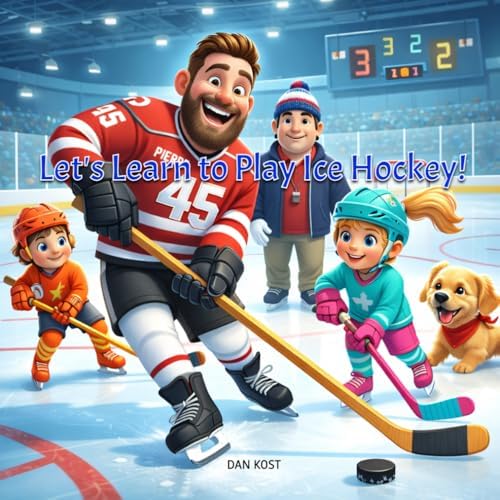
What if learning ice hockey could happen at bedtime, in the car, at the kitchen table, and online before a child ever steps onto the rink?
That is the idea behind a complete youth sports education system. Sports Media’s Ice Hockey for Kids learning experience combines stories, audio, coloring, puzzles, video, and interactive games to help children understand the sport while building confidence, curiosity, teamwork, and a love of learning.
This system is designed for parents, grandparents, teachers, coaches, and young athletes who want to learn sports for kids in a fun, age-appropriate way. It is also part of a larger vision for kids sports books, children’s sports books, and accessible youth sports education.
Disclosure: This article includes affiliate links. Sports Media may earn a commission from qualifying purchases, at no additional cost to you.
Why Ice Hockey Is More Than Skating and Scoring
Ice hockey looks fast because it is fast. The puck moves quickly, players change direction constantly, and the action can shift from defense to offense in a blink.
For young children, however, the first goal is not becoming the next superstar. The first goal is building a foundation.
A strong beginner hockey education introduces:
- Balance and movement
- Safe falling and getting back up
- Skating posture and stopping
- Stickhandling and puck control
- Passing and receiving
- Shooting fundamentals
- Teamwork and communication
- Sportsmanship and respect
- Basic rink awareness and safety
These skills also support broader development. Hockey helps children practice decision-making, timing, spatial awareness, coordination, focus, and communication. In other words, a puck can be a tiny teacher with a very loud personality.
Parents can also connect hockey to early STEM education. Angles, speed, distance, balance, friction, and reaction time are all part of the game. Children may not call it physics while chasing a puck, but their brains are busy doing the work.
The Complete Ice Hockey Education System
The best children’s sports books do more than explain rules. They invite kids into a story and give them several ways to interact with the subject.
The Ice Hockey for Kids system uses multiple formats so children can learn according to their interests and attention spans.
1. The Print Book: A Friendly First Step
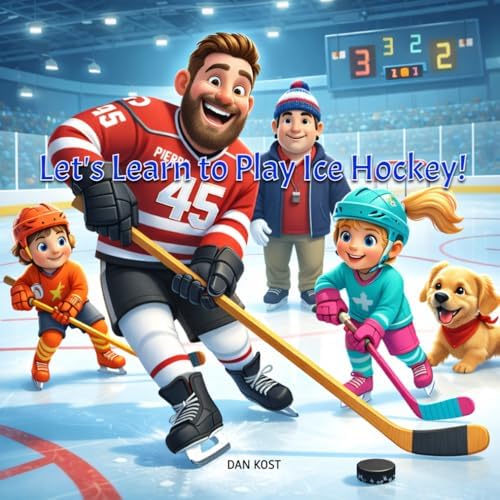
The print book, Let’s Learn to Play Ice Hockey, introduces young readers to the sport through characters, coaches, and an encouraging rink adventure.
The book follows young players as they learn about:
- Skating
- Stickhandling
- Passing
- Shooting
- Hockey equipment
- Teamwork
- Practice
- Playing fair
- Getting back up after a fall
The print edition is designed for children ages 3 to 8 and gives parents an easy way to start a conversation. Read a page together, then ask a simple question:
“What would you do if you fell on the ice?”
“Why does a hockey player need to keep their head up?”
“How can teammates help one another?”
That turns story time into a mini coaching session, without needing a whistle or a clipboard.
2. The Audio Book: Learning on the Move
Some young learners absorb information best by listening. The Ice Hockey for Kids audio book gives families another way to experience the lessons.
Audio is especially useful during:
- Car rides to practice
- Family travel
- Quiet time
- Pre-practice routines
- Wind-down time before bed
Listening helps children imagine the rink, follow the characters, and hear the rhythm of the game. It also gives parents a break from answering the same question for the 47th time: “What happens if the puck goes really fast?”
The audio format can reinforce vocabulary and concepts introduced in the print book, helping children hear and remember terms such as skating, passing, shooting, coach, teammate, and sportsmanship.
3. Coloring and Puzzle Activities: Learning by Doing
The Ice Hockey for Kids Coloring and Puzzle Book adds hands-on learning to the system.
The activity book includes hockey-themed challenges such as:
- Mazes
- Word searches
- Matching activities
- Equipment identification
- Rink-themed puzzles
- Coloring pages
- Problem-solving games
This format is more than a way to keep children busy while dinner cooks. Coloring supports creative expression and fine motor skills. Puzzles build focus, pattern recognition, memory, and persistence.
For a young athlete, solving a maze to reach the goal can reinforce the idea of direction and decision-making. Matching equipment can help a beginner remember the purpose of helmets, pads, gloves, skates, and sticks.

4. Video Learning for Young Hockey Fans
Visual learning can make new concepts easier to understand, especially for children who are still developing reading confidence.
Parents can explore the Sports Media Kids YouTube playlist for sports-focused educational content and youth-friendly lessons.
A simple routine might look like this:
- Watch one short video together.
- Ask your child to explain one thing they learned.
- Draw or color the idea.
- Try a safe, age-appropriate movement activity.
- Celebrate effort instead of perfection.
For example, after discussing teamwork, ask your child to name three ways players can help teammates. After learning about equipment, have them identify the safety gear used before practice.
The goal is not passive screen time. The goal is turning video into conversation, movement, and understanding.
5. Online Games: Practice Without Pressure
Interactive games can make sports education feel like play because, well, they are play.
Families can visit the Sports Media online game platform to explore interactive learning experiences built around sports, engagement, and young fans.
Online games can help children review:
- Hockey vocabulary
- Rules and roles
- Equipment
- Teamwork
- Memory
- Decision-making
- Sports trivia
- Basic game concepts
A game environment also gives kids a chance to practice without worrying about making a mistake in front of teammates. That can be especially valuable for beginners who are still developing confidence.

A Parent-Friendly Hockey Learning Routine
You do not need to turn your home into a full hockey academy. A simple weekly routine can keep learning fun and manageable.
Monday: Read
Read a few pages from the print book. Talk about one new hockey word.
Tuesday: Listen
Play a section of the audio book during a car ride or quiet time.
Wednesday: Create
Use the coloring and puzzle book. Ask your child to explain what they are drawing or solving.
Thursday: Watch
Choose one youth-friendly video and discuss the lesson.
Friday: Play
Visit the online game platform for a short interactive session.
Weekend: Move
At the rink, in the driveway, or in an open space, practice a simple skill that matches the week’s lesson. Always follow local rink rules, coach guidance, and age-appropriate safety standards.
For additional guidance, parents and coaches can review USA Hockey’s skill progressions, which outline age-specific teaching points for youth hockey.
Sports Media also provides broader youth education resources and fan-focused solutions designed to make sports learning more accessible and engaging.
Safety Comes First
No hockey education system is complete without safety.
Children should use properly fitted protective equipment and work with qualified coaches or instructors. Beginners should learn how to balance, fall safely, stand up, stop, and move with awareness before advancing to more complex skills.
Parents should also reinforce these habits:
- Keep the head up
- Watch surrounding players
- Respect the boards and rink space
- Follow coach instructions
- Never treat unsafe contact as a joke
- Warm up before activity
- Celebrate effort, improvement, and teamwork
The best youth sports experience is one that helps children feel capable, supported, and excited to return.
Corporate Sponsorship Opportunity: Help Put Education in Play
Sports Media is seeking corporate sponsors to support interactive educational games and youth sports learning experiences.
Sponsors can help expand access to resources that combine:
- Sports literacy
- Reading development
- Digital learning
- STEM concepts
- Physical activity
- Teamwork
- Workforce development foundations
- Future talent funnel strategies
A company sponsorship could support new hockey games, classroom resources, community programs, branded learning challenges, and interactive sports education for families.

This is an opportunity for brands to do more than place a logo on a sign. Sponsors can help create meaningful education infrastructure that introduces children to sports, technology, collaboration, and lifelong learning.
Interested companies can explore Sports Media’s solutions or connect through the company’s contact page to discuss sponsorship opportunities.
Frequently Asked Questions
What age is the Ice Hockey for Kids system designed for?
The print and activity books are designed for young readers approximately ages 3 to 8. Parents can adapt the activities for older or younger children based on reading level, interest, and development.
What does a child learn from the hockey books?
Children learn introductory concepts including skating, stickhandling, passing, shooting, equipment, teamwork, sportsmanship, and basic hockey vocabulary.
Can children learn hockey without being on the ice?
Yes. Books, audio, puzzles, videos, and online games can introduce concepts and vocabulary before or between rink sessions. On-ice instruction with qualified coaches remains important for physical skills and safety.
How can a company sponsor the educational games?
Corporate sponsors can contact Sports Media to discuss branded interactive games, youth education initiatives, community programs, and sports-related sponsorship packages.
Ice hockey is quick, exciting, and sometimes wonderfully chaotic. With the right learning system, children can understand the game one story, one puzzle, one video, and one practice at a time.
The result is more than a young fan who knows what a puck is. It is a child building confidence, coordination, curiosity, teamwork, and the courage to keep trying when the ice gets slippery.
#KidsSports #YouthSports #SportsBooks #LittlePro #LearnToPlay #SportsEducation #ParentingTips #ActiveKids