

Let's cut to the chase: traditional stadium sponsorships aren't dead, but they're getting a massive makeover. While programmatic sports advertising is stealing headlines and budgets, the smartest brands aren't choosing sides – they're playing both games simultaneously.
The sports marketing landscape is experiencing its biggest shake-up since the first TV commercial aired during a baseball game in 1939. But instead of one method killing the other, we're watching an evolution that's making both traditional and digital approaches more powerful than ever.
The Stadium Revolution Is Real
Walk into any modern sports venue today, and you'll immediately notice the difference. Gone are the static billboards and painted signs of yesterday. In their place? Dynamic digital displays, interactive fan zones, and technology that would make a Silicon Valley startup jealous.
Over 300 global sports stadiums launched major renovations or new builds in 2025, with nearly half of these projects happening across North America and Europe. These aren't just cosmetic upgrades – they're complete technological overhauls designed to create what industry insiders call "smart stadiums."

What's driving this transformation? Simple: traditional methods like static stadium signage were expensive, impossible to measure accurately, and about as targeted as throwing darts blindfolded. Modern venues are solving these problems by integrating cloud technology, data-driven fan engagement systems, and digital screens that can change content in real-time.
Think about it this way: a painted Coca-Cola sign on the outfield wall shows the same message to everyone for an entire season. A digital display can show Coke to adults, Sprite to teens, and water to health-conscious fans – all based on real-time data about who's in the stands.
Programmatic Advertising: The Game Changer
While stadiums were getting their digital makeovers, programmatic advertising was quietly revolutionizing how brands connect with sports fans. This technology brings capabilities that seemed like science fiction just a decade ago:
Real-time bidding lets brands compete for ad space in milliseconds, ensuring the right message reaches the right fan at exactly the right moment. When your team scores a touchdown, programmatic systems can instantly trigger celebration-themed ads from relevant sponsors.
Behavioral targeting goes beyond basic demographics. Modern systems track which teams fans follow, how often they attend games, what they purchase at concessions, and even which players they mention most on social media.
Geo-fencing technology creates virtual boundaries around stadiums, sports bars, and fan gathering spots. Brands can serve targeted ads to people within these zones, offering game-day specials, nearby store promotions, or exclusive mobile discounts.

Cross-device reach ensures message consistency whether fans are watching on stadium screens, checking scores on their phones, or streaming highlights at home. This omnichannel approach increases both reach and recall while optimizing spending across platforms.
The Data Gold Mine
Here's where things get really interesting: sports organizations are sitting on data treasure troves that make other industries jealous. Every ticket purchase, concession stand visit, social media interaction, and app download provides valuable insights into fan behavior.
Smart sports marketers are combining multiple data sources to create incredibly detailed fan profiles:
- Ticket and merchandise purchase history reveals spending patterns and team loyalty levels
- Mobile app interactions show content preferences and engagement timing
- Social media activity indicates emotional connection and influence levels
- In-stadium sensor data tracks movement patterns and area preferences
- Streaming behavior reveals viewing habits and content consumption
This wealth of information allows brands to identify superfans versus casual viewers, segment audiences by geographic or team affinity, and deliver hyper-personalized content that actually resonates.
The Hybrid Approach Wins
The most successful brands aren't choosing between traditional and programmatic – they're combining both for maximum impact. Here's how this hybrid strategy works:
Stadium Integration: Digital screens throughout venues display programmatically-served ads that change based on crowd composition, game situation, and real-time events. A beer company might show different products during afternoon family games versus evening adult-focused events.
Synchronized Campaigns: Traditional sponsorship elements like naming rights and branded areas work alongside programmatic campaigns that extend the message across digital channels. Fans see consistent branding in the stadium and targeted follow-up messages on their devices.
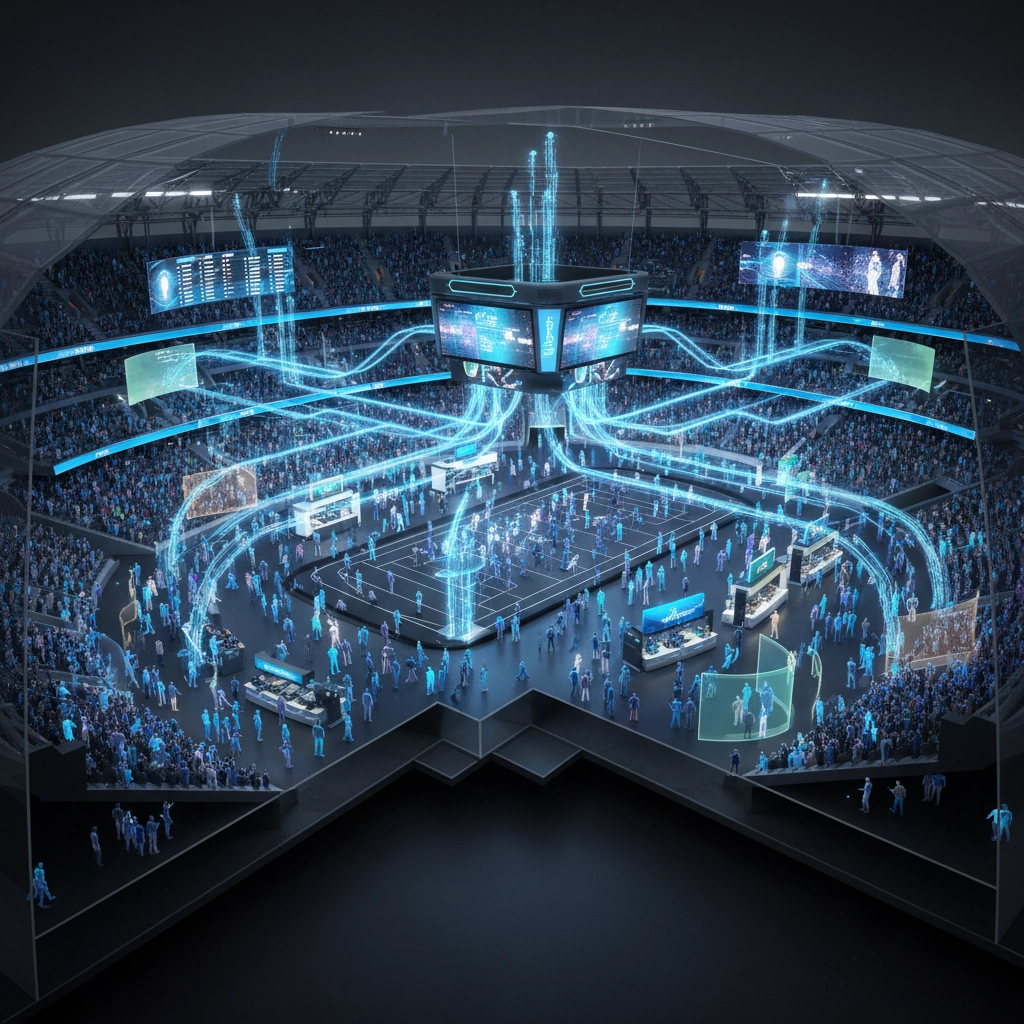
Enhanced Measurement: Digital integration finally solves the measurement problem that plagued traditional sponsorships. Brands can track everything from brand awareness lift to actual purchase behavior, providing clear ROI data that justifies marketing spend.
The Audio and Connected TV Revolution
Programmatic capabilities are expanding beyond display ads into new territories that complement traditional broadcast sponsorships:
Programmatic audio reaches fans through sports podcasts, radio streams, and connected speakers. Brands can target listeners based on their favorite teams, listening habits, and geographic location.
Connected TV (CTV) advertising appears on streaming platforms like ESPN+, regional sports networks, and over-the-top apps. This inventory allows precise targeting even in cookieless environments by focusing on content affinity rather than individual tracking.
These channels provide highly engaged audiences that traditional broadcast sponsorships sometimes miss, especially younger fans who consume sports content differently than previous generations.
Market Growth and Future Predictions
The numbers tell the story: the sports sponsorship market is projected to reach $115 billion, growing at 8.7% annually. This expansion happens alongside programmatic growth, not instead of it.
Smart stadiums will dominate the landscape by 2035, featuring:
- Real-time personalization systems that adjust content based on crowd demographics
- AI-powered fan engagement platforms that predict and respond to audience behavior
- Sustainable technology integration that appeals to environmentally conscious fans
- Immersive experiences that blend physical and digital interactions
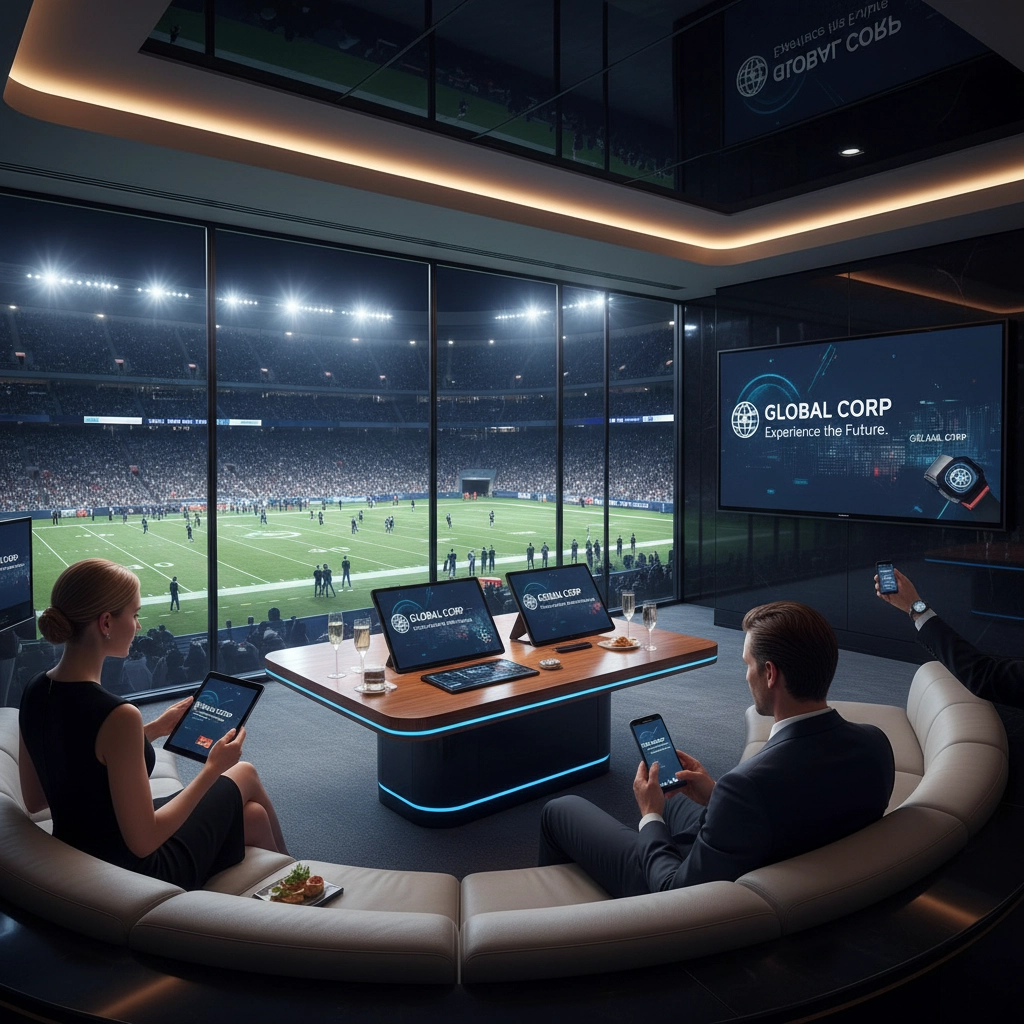
Venues that resist this technological evolution risk becoming obsolete, while those embracing smart stadium features maintain significant competitive advantages.
What This Means for Brands
The death of traditional stadium sponsorships has been greatly exaggerated. Instead, we're witnessing a transformation that makes both traditional and programmatic approaches more effective:
Traditional elements like naming rights, branded spaces, and signature sponsorships still provide emotional connection and brand prestige that digital alone can't match.
Programmatic capabilities add precision, measurement, and personalization that traditional methods lack.
Smart brands are integrating both approaches, using traditional sponsorships to build brand association with teams and programmatic advertising to drive specific actions and measure results.
The future belongs to marketers who understand that sports fans don't live in separate digital and physical worlds – they move seamlessly between stadium experiences, mobile interactions, and connected home viewing. Success comes from meeting them across all these touchpoints with consistent, relevant messaging.
Rather than asking whether traditional sponsorships are dead, the better question is: how can you combine the emotional power of sports with the precision of modern marketing technology? The answer is reshaping how brands connect with the most passionate audiences in marketing.