

Remember when stadium advertising meant slapping a logo on a cup holder and calling it a day? Those times are long gone. Today's sports venues are becoming high-tech playgrounds where brands can create experiences that would make Disney jealous. We're talking about innovations that turn passive spectators into engaged participants and transform every square inch of a stadium into potential advertising gold.
The sports advertising landscape has exploded with creativity and technology that's reshaping how fans interact with brands. From AI-powered digital displays to immersive AR experiences that make you feel like you're on the field, these seven innovations are changing the game for marketers who want to make a lasting impression.
1. 3D Digital Stadium Modeling: Selling Dreams Before They're Built
Gone are the days of showing potential sponsors a basic floor plan and hoping they can visualize their brand in your venue. The most forward-thinking stadiums are now using detailed 3D modeling technology that creates virtual replicas of their facilities with incredible precision.
SK Rapid pioneered this approach by recreating their Allianz Stadium as a comprehensive 3D model featuring 189 advertising spaces that can be displayed both statically and with dynamic animations. This isn't just a pretty picture – it's a sales powerhouse that features 42 different camera positions, from TV angles to behind-the-goal perspectives, plus 20 drone flight simulations for complete 360-degree showcases.
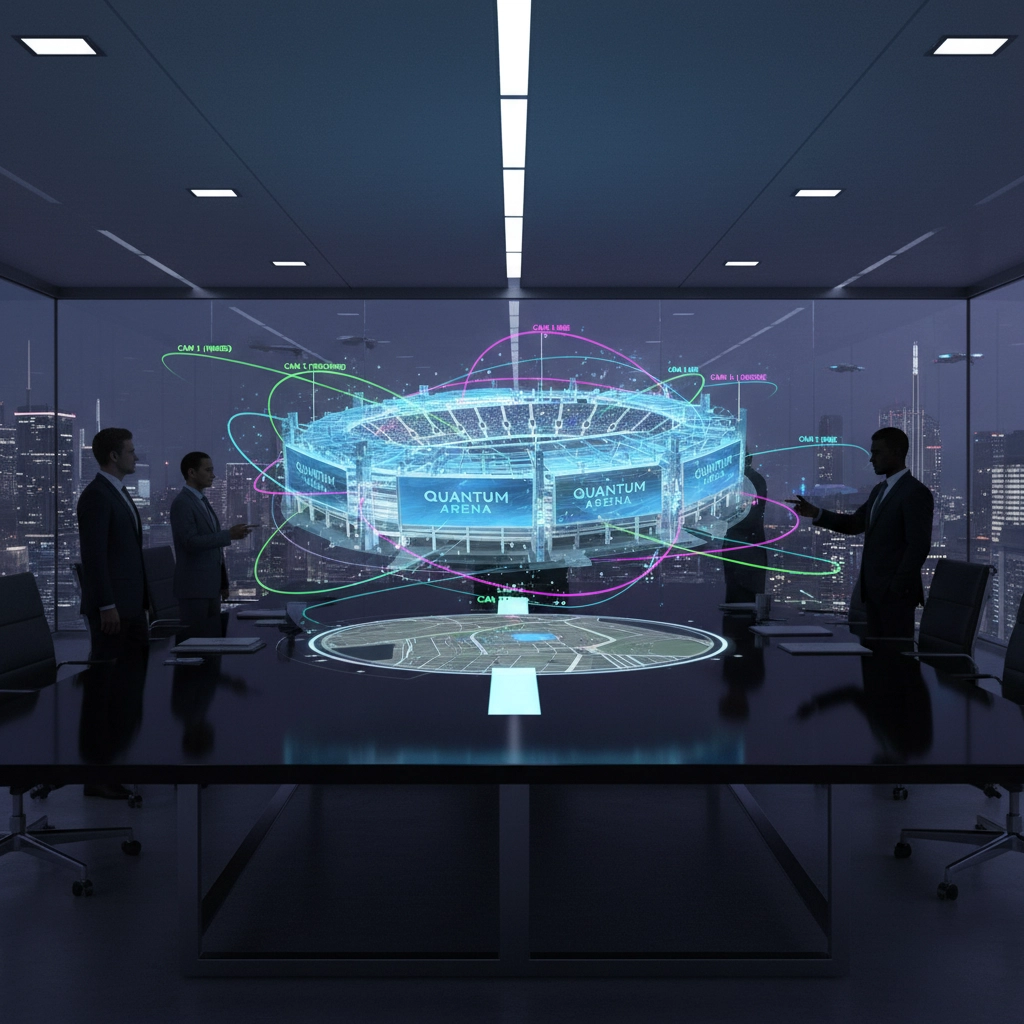
The beauty of this technology lies in its authenticity. These models incorporate venue-specific details like fan banners, colorful grandstand designs, and precise corporate branding elements. When a potential sponsor puts on a VR headset and "walks" through your stadium, they're not just seeing where their logo might go – they're experiencing the energy and atmosphere their brand will be associated with.
This innovation saves sales teams countless hours while dramatically improving presentation quality. Instead of generic proposals, sponsors receive customized experiences that show exactly how their investment will look and feel in the real world.
2. Projection Mapping: Turning Walls Into Storytelling Canvases
Projection mapping has transformed stadiums from static concrete structures into dynamic storytelling platforms. This technology uses precisely aligned projectors to turn any surface – walls, floors, even irregular architectural features – into interactive displays.
The Detroit Lions showcased this innovation's potential when they unveiled a new jersey using Ford Field's entire concourse as a 360-degree experiential canvas. Multiple projection surfaces and a projection-mapped lion's head brought the space to life with polygonal constructs displaying team colors and animated content synchronized with other media elements.
What makes projection mapping so valuable for advertisers is its flexibility. These installations can transform during different events, offering sponsors seasonal campaigns, product launches, or real-time social media integration. A beer company might sponsor a projection that reacts to crowd noise levels, or a car manufacturer could showcase their latest model through an interactive display that responds to fan movement.
The temporary nature of projection mapping also creates urgency and exclusivity. Fans know these experiences are special and limited-time, driving higher engagement and social media sharing.
3. Augmented Reality: Bringing Digital Magic to Physical Spaces
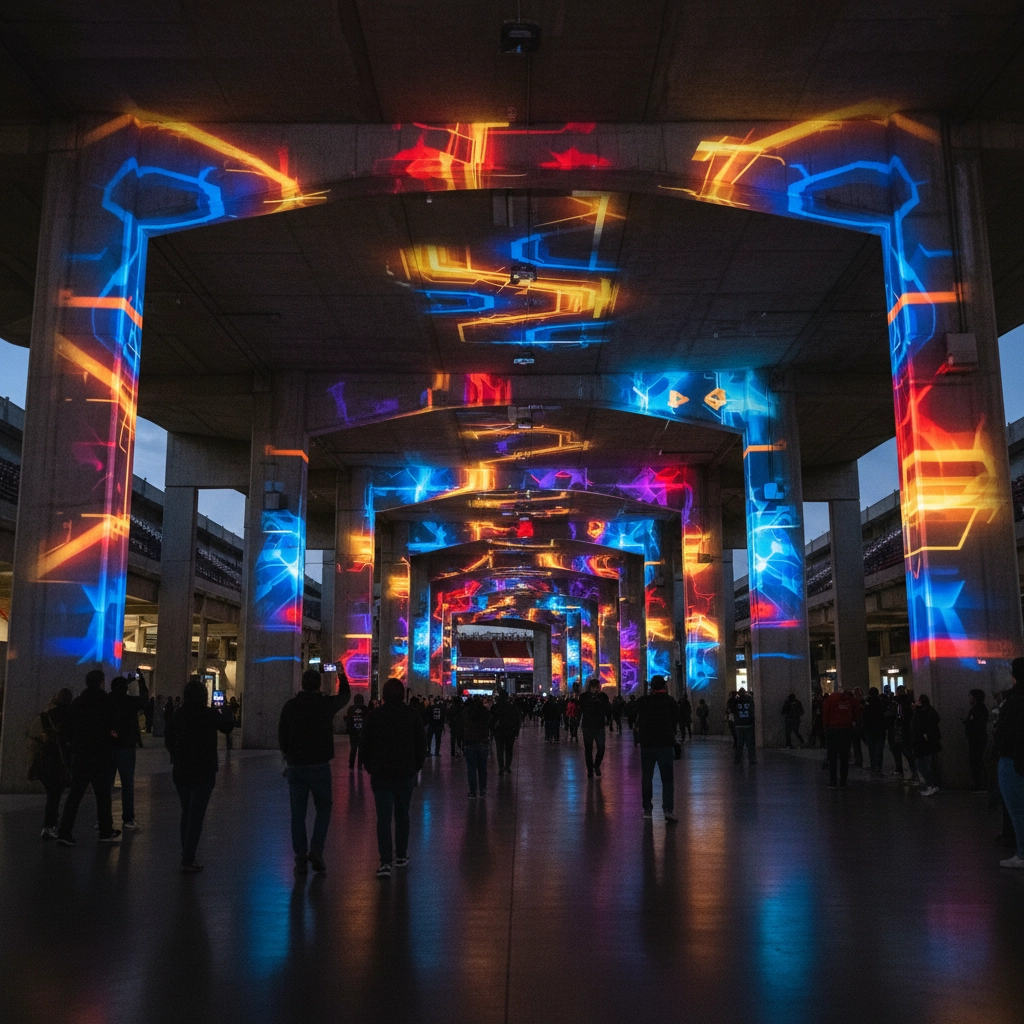
AR technology is turning smartphones into magic windows that overlay digital information onto the physical stadium environment. Instead of just watching the game, fans can point their phones at the field to access player stats, historical moments, or sponsor content that enhances their understanding and enjoyment.
Modern AR applications serve as intelligent venue guides, helping fans navigate while delivering targeted advertising messages. Picture this: a fan points their phone at a concession stand, and AR overlays show menu items, prices, and a sponsored discount from a partner brand. It's advertising that adds value rather than interrupting the experience.
Event-specific AR filters for social media have become viral marketing goldmines. These custom-designed filters incorporate venue branding and sponsor messages, encouraging fans to create and share content that extends brand reach far beyond the physical stadium. Studies show these AR experiences boost engagement by 40% and create organic social sharing that multiplies sponsor visibility.
The collaborative gaming aspect of AR is particularly powerful. Fans can participate in virtual scavenger hunts, compete in AR games during halftime, or unlock exclusive content by visiting sponsor locations throughout the venue.
4. Digital Out-of-Home (DOOH): Smart Screens That Think
Traditional billboards are getting a major upgrade through digital out-of-home messaging systems that adapt content in real-time based on audience demographics, game situations, and environmental conditions. These aren't just digital versions of static ads – they're intelligent advertising platforms that maximize impact through strategic timing and personalization.
DOOH technology enables sponsors to deliver different messages to different audiences throughout a single event. A family-friendly restaurant might display kid-oriented content during youth games, then switch to sports bar promotions during evening matchups. The ability to change content instantly means sponsors can react to game developments, weather changes, or trending social media topics.
These systems provide detailed analytics that traditional advertising could never offer. Sponsors can track view duration, audience engagement, and even demographic information through integrated cameras and sensors. This data-driven approach allows for continuous optimization and proves ROI in ways that static advertising never could.
The global reach potential of DOOH is remarkable. Content can be personalized for different geographic markets, allowing sponsors to deliver localized messages while maintaining brand consistency across multiple venues or events.
5. LED Flooring: Walking on Interactive Brand Experiences
Interactive LED flooring represents one of the most innovative developments in stadium advertising. This technology transforms ordinary walkways into dynamic, responsive advertising canvases that react to fan movement and create immersive brand experiences.
Unlike traditional floor decals that become worn and dated, LED flooring offers unlimited creative possibilities with real-time content updates. Sponsors can create interactive experiences where fans' footsteps trigger animations, reveal hidden messages, or unlock digital rewards through mobile apps.
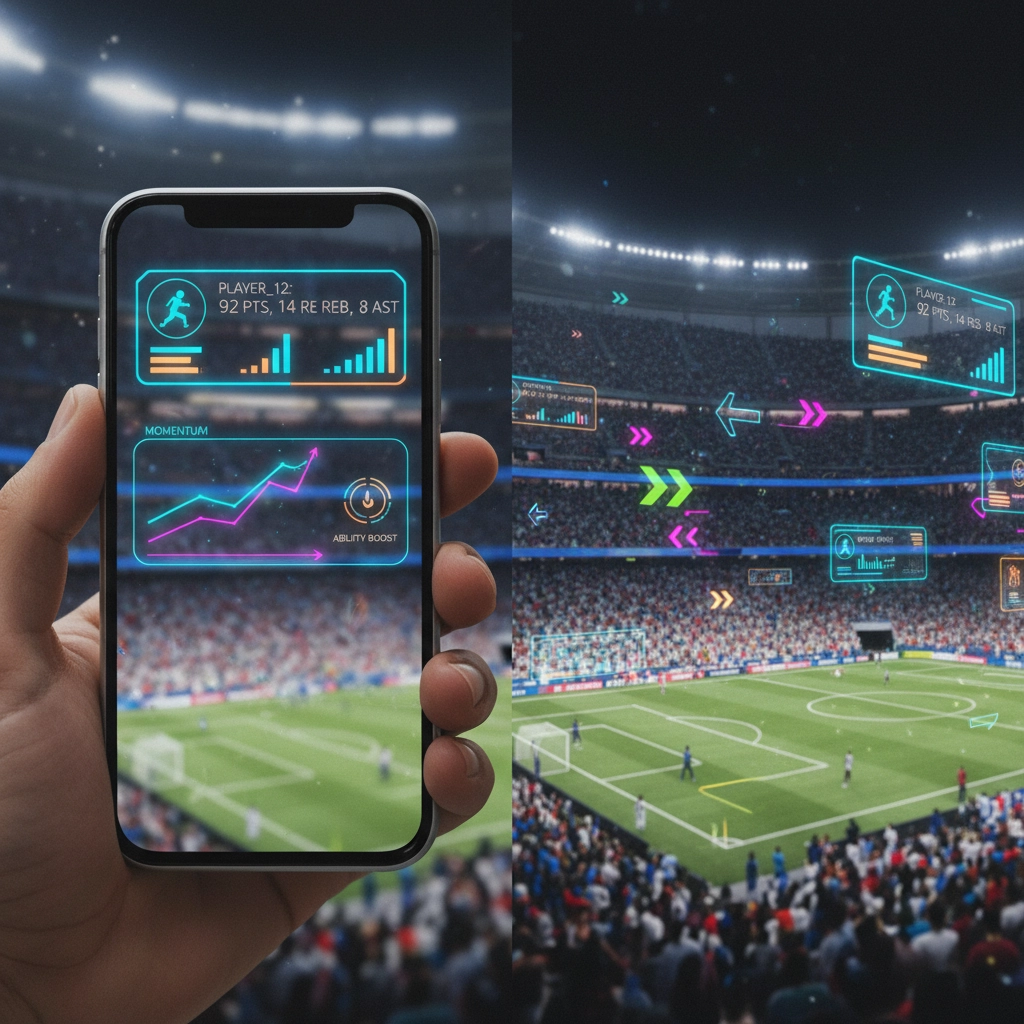
The practical applications are endless. A sports drink company could create a virtual fitness challenge where fans' steps power up animated athletes on the floor. A technology brand might design an interactive timeline that illuminates as fans walk across it, revealing company milestones and innovations.
These installations work particularly well in high-traffic areas like main concourses, entrance tunnels, and merchandise areas. The novelty factor ensures fans stop, interact, and share their experiences on social media, creating organic content that extends the sponsor's reach.
The durability and flexibility of LED flooring also make it a smart long-term investment for venues, offering multiple sponsorship opportunities throughout different seasons and events.
6. Experiential Activation Zones: Theme Parks Meet Sports Venues
Modern stadiums are dedicating specific areas to immersive brand experiences that transform passive spectators into active participants. These experiential activation zones feature interactive elements, VR simulations, and hands-on activities that create emotional connections between fans and sponsor brands.
These zones might include VR simulations that let fans experience game-winning moments from a player's perspective, interactive displays that test sports knowledge, or physical challenges sponsored by fitness brands. The key is creating experiences that feel like natural extensions of the event rather than obvious advertisements.
The psychological impact of experiential marketing is powerful. When fans actively participate in a brand experience, they form stronger memories and more positive associations than passive advertising could ever achieve. Research shows these activations increase engagement by 40% and improve brand recall by 65%.
Social media integration is crucial for maximizing the impact of experiential zones. Photo opportunities, shareable moments, and exclusive content encourage fans to document and share their experiences, extending the sponsor's reach through authentic, user-generated content.
7. Digital Photo Booths: Instant Gratification Meets Viral Marketing
Digital photo booths have evolved far beyond simple snapshot stations into sophisticated marketing tools that combine instant gratification with powerful social media amplification. Modern installations feature professional lighting, customizable backgrounds, and interactive elements that encourage creative expression while seamlessly incorporating sponsor branding.
These aren't just photo opportunities – they're content creation stations that turn fans into brand ambassadors. Advanced photo booths offer real-time editing features, branded templates, and direct social media sharing that makes it effortless for fans to showcase their experience while promoting sponsor messages.
The viral potential is enormous. When fans share branded photos from memorable experiences, they're essentially providing authentic testimonials that reach their personal networks. This organic sharing creates trust and credibility that traditional advertising struggles to achieve.
Smart photo booth integration includes QR code generation for future marketing contact, loyalty program enrollment, and exclusive offer distribution. This transforms a fun activity into a valuable data collection and lead generation tool for sponsors.
The Future Is Already Here
These seven innovations represent more than just technological advancement – they're fundamental shifts in how brands connect with audiences in sports environments. Venues implementing these technologies report 20% higher sponsorship interest from brands seeking innovative marketing opportunities, while fans benefit from enhanced experiences that make attending live events more memorable and interactive.
The most successful stadium advertising strategies combine multiple innovations to create comprehensive brand experiences. A sponsor might use 3D modeling for sales presentations, implement AR experiences for fan engagement, and deploy interactive LED flooring for memorable moments that drive social sharing.
For sports marketers ready to move beyond traditional advertising methods, these innovations offer proven strategies for creating deeper fan engagement, measurable ROI, and competitive advantages that keep sponsors coming back season after season. The question isn't whether to adopt these technologies – it's which ones to implement first.