

Let's be honest – when you see Nike drop $3+ billion on marketing every year, it's enough to make any small brand owner want to throw in the towel. How can you possibly compete with those kinds of budgets? Here's the thing though: you don't need to match their spending to beat them at their own game.
The secret isn't in your budget size – it's in how strategically you use what you've got. Small brands have something the giants don't: authenticity, agility, and the ability to genuinely know their customers. Let's break down exactly how to turn these advantages into marketing gold.
Your Secret Weapon: Actually Knowing Your Customers
While Nike's marketing team is analyzing spreadsheets of demographic data, you can literally have coffee with your customers. This isn't just feel-good business advice – it's a genuine competitive advantage that money can't buy.
Large corporations have massive reach, but they're playing a guessing game when it comes to what their customers actually want. You, on the other hand, can have real conversations, get direct feedback, and pivot faster than they can schedule a board meeting.
Start treating every customer interaction as market research. What are they struggling with? What gets them excited? What would make them tell their friends about your brand? This intel is worth more than any expensive focus group.

Build a Brand That Actually Stands For Something
Big brands often get trapped by their own success – they can't take risks because they have shareholders to please and massive audiences to avoid offending. You have the freedom to be bold, authentic, and take positions that matter.
Your integrated branding doesn't need a million-dollar agency. It needs consistency and authenticity. Pick your colors, nail down your voice, and make sure everything you put out there feels like it came from the same place. When someone sees your content, they should instantly know it's yours.
The founder's personal values become inseparable from small business brands, and that's actually a huge advantage. People want to buy from people, not faceless corporations. Your story, your why, your journey – that's content gold that Budweiser can't replicate.
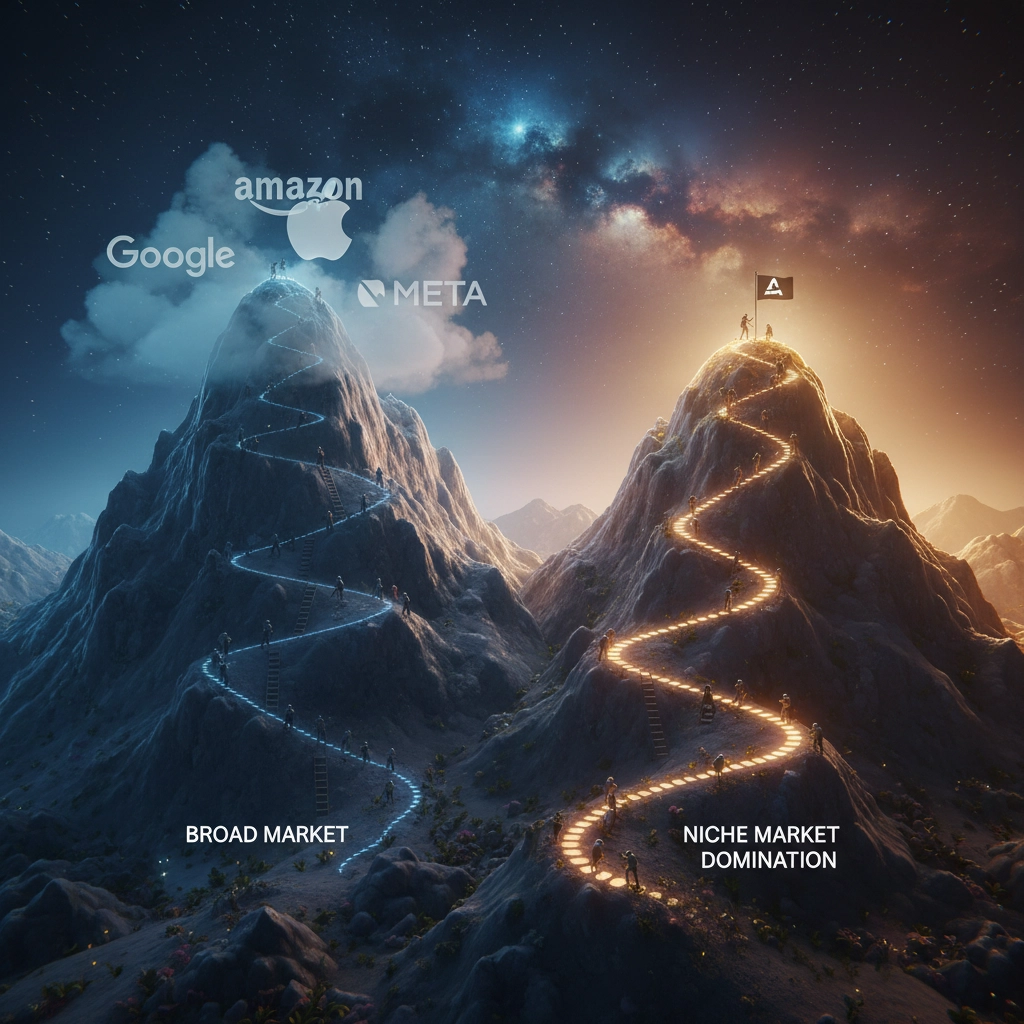
Dominate Your Niche Instead of Chasing Everyone
Here's where small brands often go wrong – they try to be everything to everyone, just like the big guys. Don't make that mistake. While Nike tries to appeal to every athlete on the planet, you can own a specific corner of the sports world.
Maybe you're the brand for weekend warriors who take their beer league softball way too seriously. Or the go-to choice for youth soccer coaches who need practical, affordable gear. Whatever your niche is, become the undisputed champion of that space.
Research doesn't have to be expensive surveys and focus groups. Join Facebook groups where your target customers hang out. Follow relevant Reddit threads. Pay attention to what people are complaining about on Twitter. This grassroots research will give you insights that no expensive consultant could provide.
Turn Social Media Into Your MVP
Sports fans are already gathering online, debating, celebrating, and commiserating. You don't need to create the community – you just need to become a valuable part of it.
The key is real-time engagement. When your local team wins a big game, be there in the comments celebrating with fans. When they lose, be there too. This kind of authentic participation builds relationships that no amount of ad spend can buy.
Create hashtags that actually mean something to your community. Don't just slap your brand name on everything – give people a reason to use them. #MondayMotivation is overdone, but #SoftballDadLife or #5AMWorkoutWarriors might resonate with your specific audience.
Master the Art of Strategic Partnerships
You can't afford to sponsor the Super Bowl, but you probably can partner with a local college athlete who's building their own brand. Name, Image, and Likeness (NIL) deals have opened up incredible opportunities for small brands to work with rising stars at a fraction of what professional endorsements cost.
Look for athletes who align with your brand values and are building genuine followings. A partnership with a college basketball player who has 10,000 engaged local followers might deliver better ROI than a massive campaign that reaches millions of uninterested people.
Don't limit yourself to athletes either. Partner with complementary local businesses, sports bloggers, or even other small brands in related industries. Cross-promotion can double your reach without doubling your costs.
Get Creative With Community Engagement
Instead of buying expensive stadium naming rights, create your own events. Host pickup basketball tournaments in local parks. Organize charity 5Ks. Sponsor little league teams. These grassroots efforts build genuine goodwill and create lasting memories.
Contests and giveaways work, but make them strategic. Don't just give away random prizes – create contests that engage people with your brand story. Ask fans to share their own sports memories, create user-generated content around your products, or showcase how they use your services in their athletic pursuits.
Leverage Technology Without Breaking the Bank
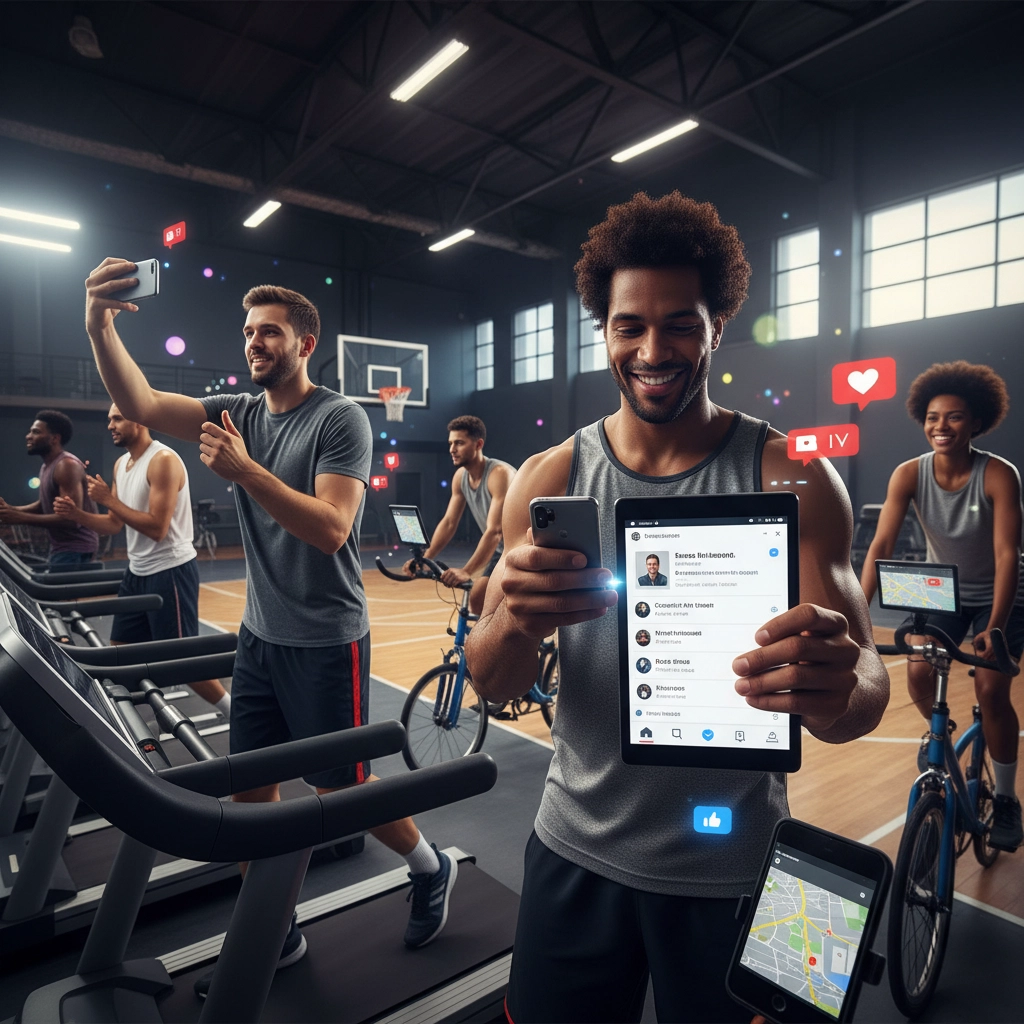
You don't need a massive tech stack, but you should be smart about the tools you use. Free social media scheduling tools can help you maintain consistent presence. Email marketing platforms offer incredible ROI for small budgets. Basic analytics tools can help you understand what's working and what isn't.
The key is starting simple and scaling up as you grow. Don't try to implement every marketing technology at once – pick one or two tools that solve your biggest problems and master those first.
Tell Stories That Actually Connect
Nike's "Just Do It" campaigns are masterful, but they're also generic enough to apply to any sport or athlete. Your storytelling can be more specific, more personal, and more relatable.
Share behind-the-scenes content of your business journey. Show the late nights, the small victories, the learning moments. People love rooting for the underdog, and as a small brand, that's exactly what you are.
Feature your customers' stories too. The weekend warrior who trained for their first marathon using your products. The youth coach who built a championship team with your support. These authentic testimonials carry more weight than any celebrity endorsement.
Measure What Matters, Not What's Easy
Big brands often get caught up in vanity metrics – total impressions, reach, brand awareness scores. As a small brand, focus on metrics that actually drive business: customer lifetime value, referral rates, conversion percentages.
Track which marketing activities directly lead to sales. If your social media posts aren't converting followers into customers, adjust your strategy. If your partnerships aren't bringing in qualified leads, find better partners.
The Long Game Advantage
Here's the thing about competing with giants – they're focused on quarterly results and shareholder expectations. You can play the long game in ways they simply can't.
Build relationships that last decades, not quarters. Create customer experiences that people remember for years. Develop expertise in your niche that takes time to replicate. These advantages compound over time and become increasingly difficult for larger competitors to match.
The sports marketing world is changing fast, and smaller brands that can adapt quickly often outmaneuver larger, more bureaucratic organizations. Your size isn't a disadvantage – it's your competitive edge. Use it wisely, and you might find yourself not just competing with the giants, but beating them at their own game.
Ready to start implementing these strategies? Learn more about our sports marketing solutions and see how we help small brands punch above their weight class in the sports advertising world.