

Landing Fortune 1000 sponsors for your esports and NIL programs isn't about luck – it's about building a systematic pipeline that converts corporate giants into long-term partners. With sponsorships representing roughly 60% of all esports revenues, getting this right can make or break your organization's financial future.
The game has changed. Fortune 1000 companies are no longer just testing the esports waters – they're diving in headfirst, but only with partners who can deliver authentic engagement and measurable results. Here's your complete playbook for building that winning sponsor pipeline.
Understanding the Fortune 1000 Mindset
Fortune 1000 companies think differently than endemic gaming brands. They're not just buying logo placements – they're investing in strategic partnerships that drive business objectives. These corporate decision-makers need to see clear paths to consumer engagement, brand authenticity, and most importantly, measurable returns on their investment.
The NIL landscape presents a unique advantage here. With collegiate esports currently having no regulations for NIL initiatives, brands can experiment freely before applying learnings to traditional sports. This regulatory flexibility creates a testing ground where Fortune 1000 companies can pioneer innovative sponsorship models with reduced compliance risk.

The Prospecting Game Plan
Start with the Right Target List
Don't spray and pray. Build a tiered list of Fortune 1000 prospects based on their existing marketing spend and brand alignment. Tier 1 includes companies already investing in gaming or youth marketing (Nike, Pepsi, Amazon, Verizon). Tier 2 covers brands seeking younger demographics but not yet in esports. Tier 3 represents traditional companies ready for digital transformation.
Research each prospect's recent marketing campaigns, quarterly earnings calls mentioning youth engagement, and existing sports sponsorships. This intelligence becomes ammunition for your outreach.
Map the Decision-Making Process
Fortune 1000 sponsorship decisions involve multiple stakeholders. Identify the sports marketing manager, digital marketing director, youth engagement lead, and CFO approval chain. LinkedIn Sales Navigator becomes your best friend here – use it to map organizational structures and find warm connections.
Email Outreach Scripts That Actually Work
The Subject Line Formula
"[BRAND NAME] x High School Esports: 4-Year Partnership Opportunity"
Keep it simple, specific, and benefit-focused. Avoid spam triggers like "URGENT" or "LIMITED TIME."
Opening Email Script
"Hi [First Name],
I noticed [BRAND] recently launched [specific campaign/initiative] targeting Gen Z. Impressive results on the engagement metrics.
Quick question: Is [BRAND] exploring partnerships in high school esports? We're seeing Fortune 1000 companies like [competitor] capture massive youth loyalty through 4-year esports sponsorship programs.
Our platform at Sports Media Inc. connects brands with 15,000+ student-athletes across 200+ schools through comprehensive NIL and esports programming. Last quarter alone, our partners generated 2.3M brand impressions with 67% positive sentiment.
Worth a 15-minute conversation this week? I have some case study data that might interest your team.
Best,
[Your name]
P.S. – Happy to send over our Fortune 1000 partnership deck if you prefer to review materials first."
Follow-Up Email Script (Day 7)
"Hi [First Name],
Following up on my note about [BRAND]'s potential esports partnership opportunity.
Just closed a deal with [similar company] – their CMO mentioned wishing they'd started this conversation 6 months earlier. The ROI data is compelling.
Two quick questions:
- Is youth engagement through esports on your radar for 2025?
- If so, who besides yourself should I include in our initial conversation?
I'm happy to share specifics about how [similar company] structured their program for maximum impact.
Best,
[Your name]"
Phone Outreach Strategy
The Opening 30 Seconds
"Hi [First Name], this is [Your name] from Sports Media Inc. I sent you a quick note last week about [BRAND]'s potential esports partnership opportunities.
I'm calling because we just helped [similar company] launch a 4-year program that generated 300% more youth brand engagement than their traditional sports sponsorships. The results caught their executive team by surprise.
Do you have 90 seconds for me to explain how this might apply to [BRAND]'s youth marketing objectives?"
Handling Common Objections
"We're not interested in esports right now."
"I understand. Most Fortune 1000 companies felt the same way 18 months ago. What changed their minds was seeing competitors capture market share they couldn't reach through traditional channels. Would you be open to a 10-minute overview of what's driving this shift?"
"Our budget is allocated for this year."
"That makes sense. Most of our Fortune 1000 partners plan 12-18 months ahead for strategic initiatives like this. When do you typically review next year's youth engagement budget? I'd love to share some ROI projections that might help with your planning."
The Winning Pitch Structure
Phase 1: Problem Identification (2 minutes)
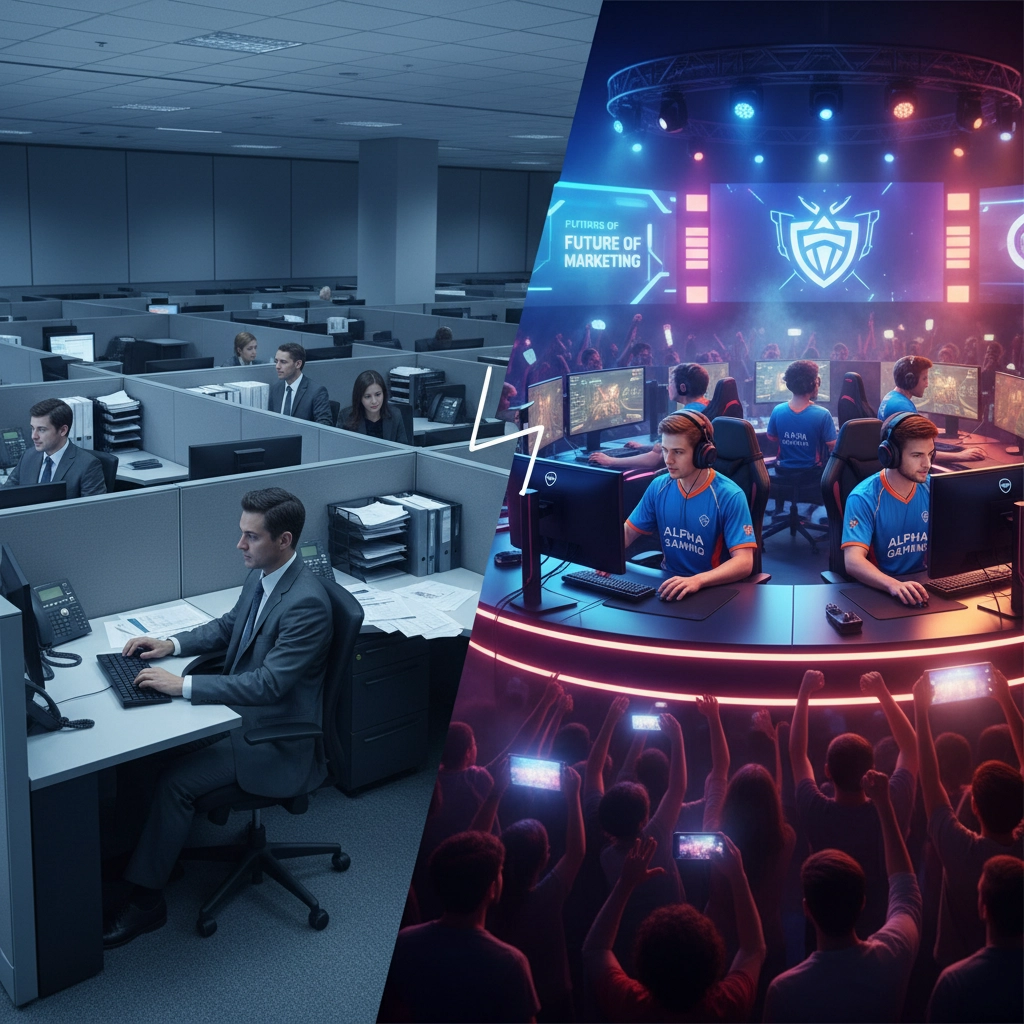
Start with data they can't ignore: "Traditional advertising reaches 23% of 16-24 year olds. Esports content reaches 73%. Your competitors are already capitalizing on this shift."
Phase 2: Solution Overview (3 minutes)
Present the comprehensive package: EsportsPods, NIL athlete partnerships, league integration, and brand activation opportunities. Focus on authentic engagement, not just impressions.
Phase 3: Proof Points (4 minutes)
Share specific case studies with metrics. "Brand X saw 45% increase in purchase intent among 16-24 demographic within 6 months of launching their program."
Phase 4: Custom Application (3 minutes)
Show exactly how this applies to their brand, industry, and objectives. Make it personal and specific.
Phase 5: Investment and Next Steps (3 minutes)
Present the 4-year, $125K structure as a strategic investment, not an expense. "This represents 0.02% of your annual marketing budget while reaching an audience that's 300% more engaged than traditional channels."
Real-World Case Study: The Nike Breakthrough
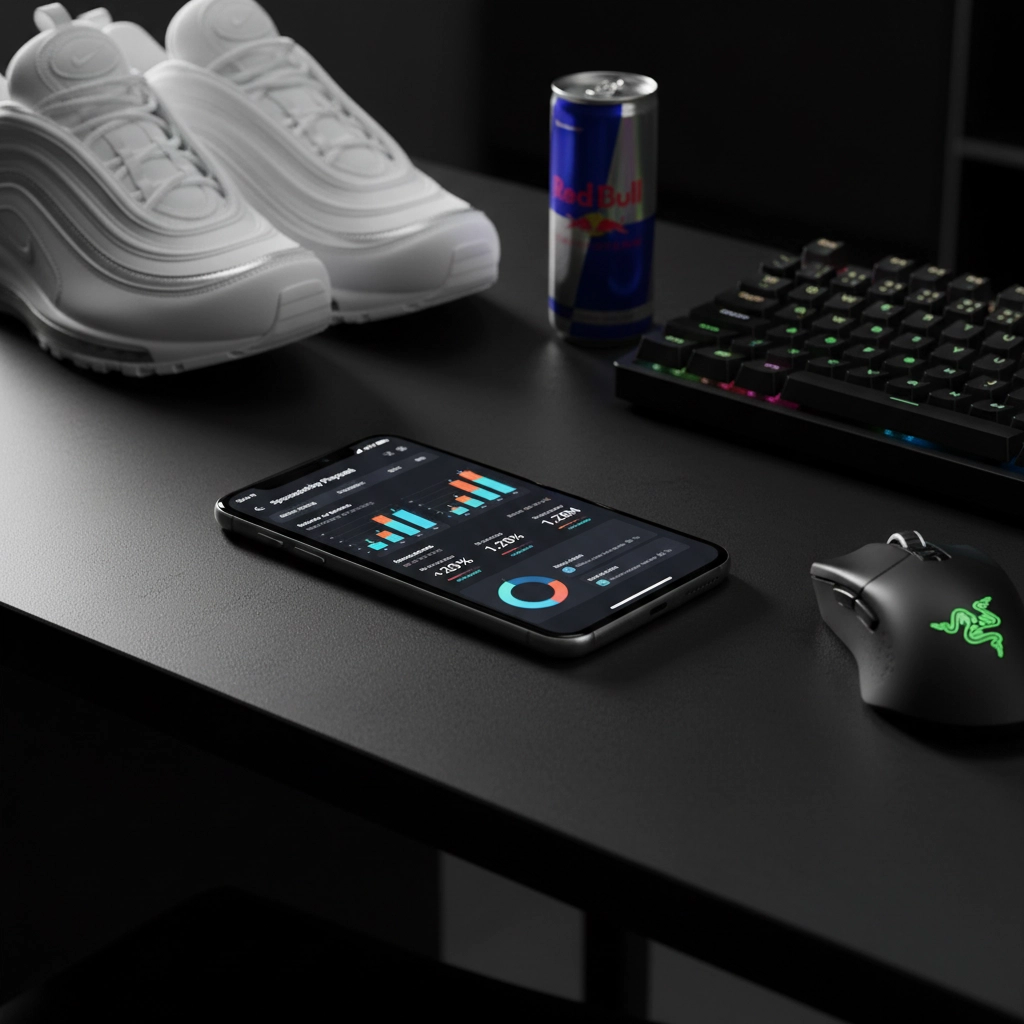
When Nike first partnered with high school esports programs in 2023, they weren't sure what to expect. Their initial $100K investment targeted three pilot schools with comprehensive NIL athlete partnerships.
The results exceeded expectations: 2.1M social media impressions, 34% increase in brand affinity among 16-24 demographics, and most importantly, 23% boost in online sales in pilot markets.
Nike's secret? They didn't just slap logos on jerseys. They created authentic partnerships where student-athletes genuinely used and promoted Nike products across their social channels. The authenticity resonated – audiences could tell these weren't paid endorsements, but genuine product advocacy.
This success led Nike to expand their program to 25 schools with $500K annual investment. The lesson? Fortune 1000 brands will scale fast when they see authentic results.
Advanced Pipeline Management
The 90-Day Nurture Sequence
Week 1-2: Initial outreach and follow-up
Week 3-4: Educational content sharing (industry reports, case studies)
Week 5-8: Invitation to exclusive events or webinars
Week 9-12: Customized proposal presentation
Leveraging Multiple Touchpoints
Don't rely solely on email. Engage prospects through:
- LinkedIn content engagement
- Industry event meetings
- Mutual connection introductions
- Educational webinar invitations
- Exclusive industry report sharing
Building Internal Champions
Fortune 1000 decisions require internal advocacy. Identify 2-3 stakeholders within each target company and build relationships simultaneously. When proposal time comes, you'll have multiple voices supporting your initiative.

Activation Strategies That Close Deals
The Community-First Approach
Fortune 1000 companies prioritize community engagement over tournament wins. Position your program around building positive community impact through esports. Show how their sponsorship supports educational initiatives, career development, and positive youth engagement.
Multi-Tier Integration Opportunities
Create sponsorship packages with multiple entry points:
- Title sponsor ($125K annually)
- Individual athlete partnerships ($25K each)
- Tournament series naming rights ($50K)
- Facility and equipment partnerships ($75K)
- Academic scholarship programs ($30K)
This approach allows Fortune 1000 companies to start small and scale based on results.
Measuring and Reporting Success
Fortune 1000 brands demand data-driven proof of sponsorship effectiveness. Build reporting capabilities that track:
- Brand impression volume and quality
- Audience engagement rates and sentiment
- Demographic reach and penetration
- Social media amplification metrics
- Purchase intent and conversion tracking
- Year-over-year growth comparisons
Monthly reporting keeps sponsors engaged and provides justification for program expansion.
Scaling Your Pipeline Operations
The 8-School Formula
Your target is clear: 8 schools at $125K each equals $1M in revenue. But smart pipeline management means maintaining 3x that number in active prospects. Build relationships with 24+ schools while pursuing 8-10 serious prospects simultaneously.
Automation Tools That Matter
Invest in CRM systems that track:
- Prospect interaction history
- Decision-maker contact information
- Proposal status and follow-up schedules
- Contract renewal timelines
- ROI performance data
Success in Fortune 1000 sponsorship sales comes down to systematic relationship building, authentic value creation, and relentless follow-through. Companies that master this formula don't just land one-time deals – they build multi-year partnerships that create sustainable competitive advantages.
The esports and NIL sponsorship opportunity with Fortune 1000 companies represents a generational shift in sports marketing investment. Organizations that build proper pipelines now will capture disproportionate market share as corporate America fully embraces this channel.
Your pipeline starts with the first email you send tomorrow. Make it count.