

Game day isn't just about what happens on the field anymore. Today's fans expect experiences that are interactive, personalized, and connected to their digital lives. Smart stadiums are leading the charge, transforming how sports organizations engage with audiences while creating multiple revenue streams that extend far beyond ticket sales.
The secret? A systematic approach that blends technology with fan psychology to create experiences people can't wait to share, return to, and spend money on. Here's your 5-step framework for building interactive fan experiences that actually drive sales.
Step 1: Build Your Data Foundation with Smart Technology
Everything starts with knowing your fans, and that means collecting the right data at the right moments. Smart stadiums use IoT sensors, cameras, and connected devices to track how fans move through venues, where they spend time, and what catches their attention.
Think beyond basic demographics. Track crowd flow patterns to identify high-traffic areas perfect for pop-up merchandise stands. Use heat mapping to discover which concessions get the most eyeballs and which walkways fans avoid. Smart seating systems with sensors can tell you which sections fill up first and which premium seats stay empty, helping you adjust pricing in real time.
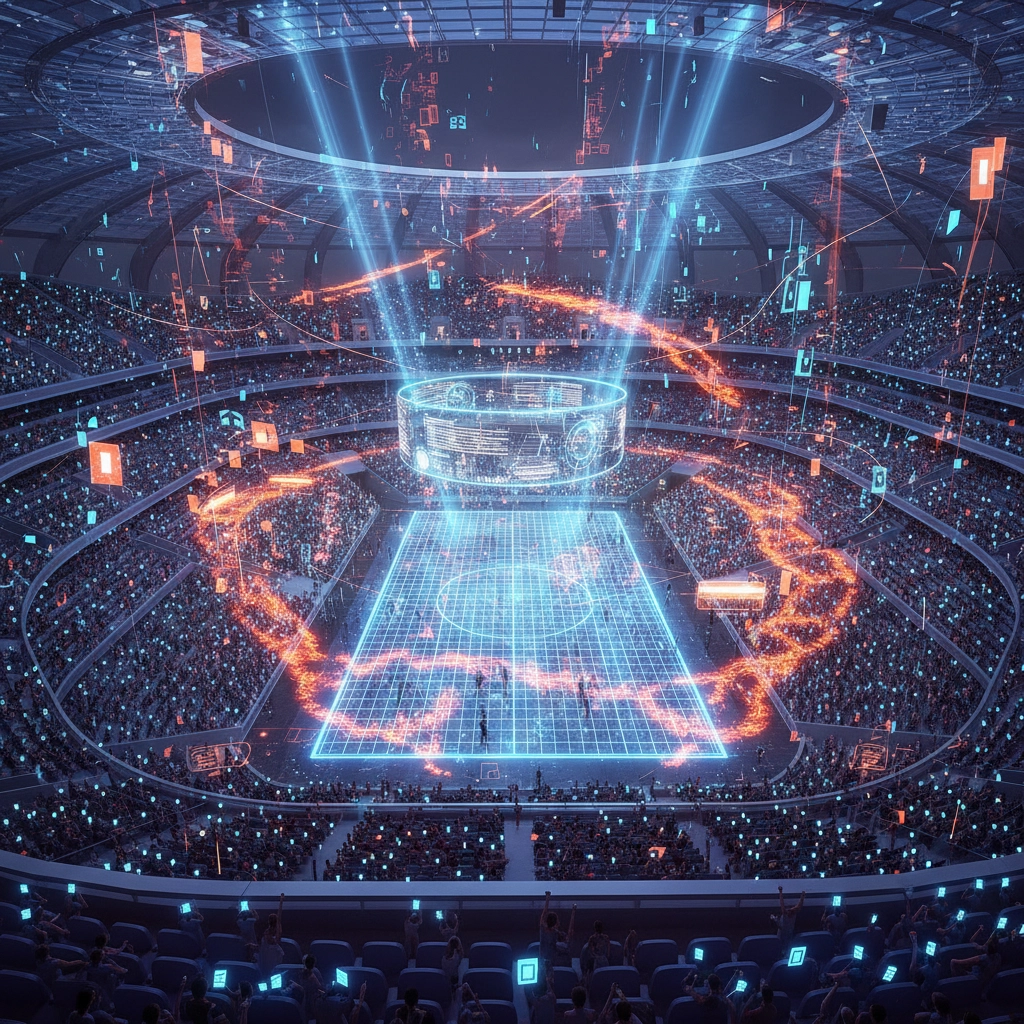
The data goldmine happens when you connect digital touchpoints with physical behavior. When fans scan QR codes for menus, connect to stadium WiFi, or use mobile apps for directions, you're building profiles that enable personalized experiences. This isn't just about knowing who bought what – it's about predicting what they'll want next and when they'll want it.
Mobile ticketing systems do double duty here. Electronic tickets eliminate lines and create smooth entry experiences, but they also provide precise attendance data and arrival patterns. Use this information to staff concessions appropriately and push targeted offers during peak traffic times.
Step 2: Create Personal Connections Through AI-Powered Experiences
Once you have the data, artificial intelligence transforms it into personalized experiences that feel almost magical to fans. AI recommendation engines analyze past purchases, seating preferences, and even social media activity to suggest everything from merchandise to food options.
Picture this: A fan who always orders nachos gets a mobile notification about a limited-time loaded nacho special just as they pass their favorite concession stand. Or a family with kids receives an alert about a pre-game mascot meet-and-greet happening near their section. These aren't random promotions – they're targeted experiences that feel natural and valuable.
AI-powered chatbots and virtual assistants handle real-time support, helping fans find parking, locate bathrooms, or discover merchandise stands without pulling staff away from other revenue-generating activities. These tools also capture data about common questions and pain points, helping you optimize layouts and services.
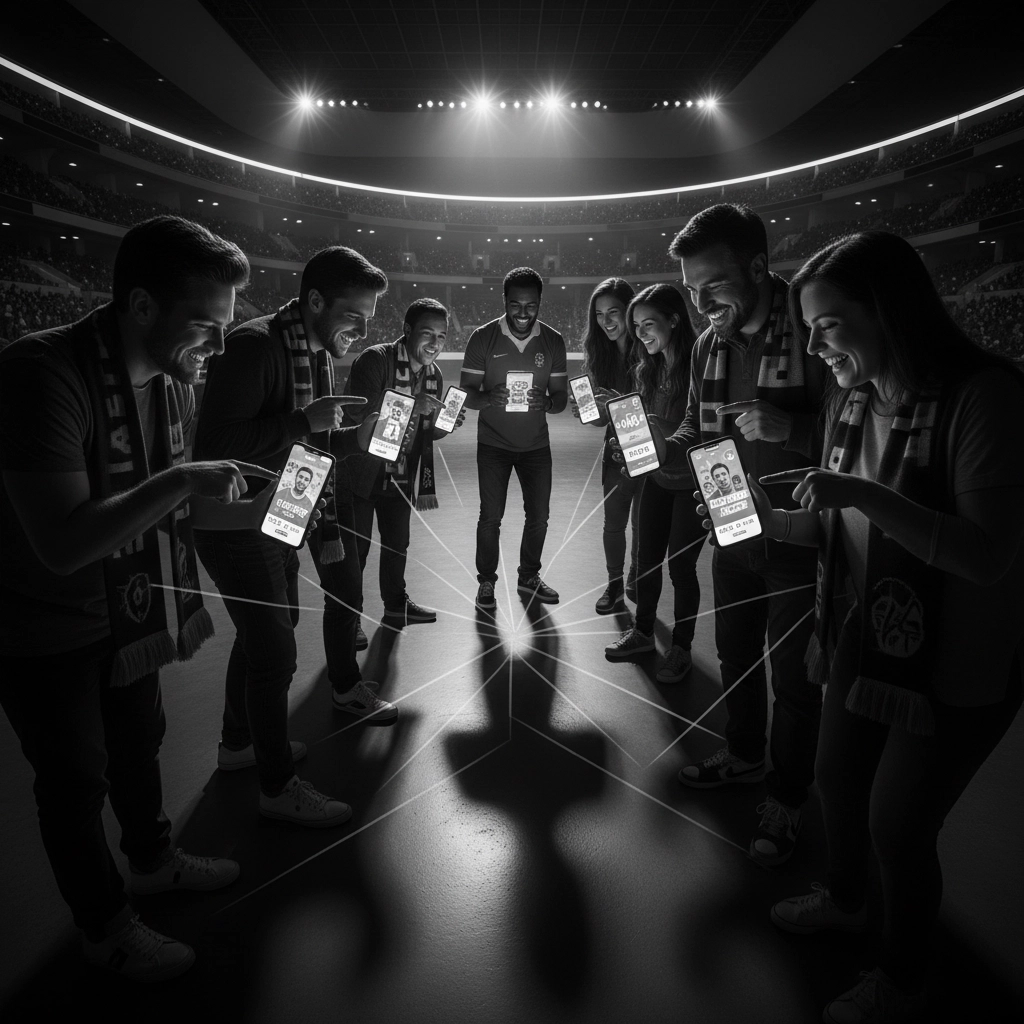
Location-based messaging takes personalization to the next level. When fans enter specific zones, they can receive contextual offers like "Show this message at Gate B merchandise for 20% off jerseys" or "Skip the line at Section 5 concessions with mobile ordering." This immediate gratification approach drives impulse purchases while solving real problems.
Step 3: Gamify the Experience to Drive Engagement and Sales
Sports fans are naturally competitive, so gamification taps into their existing mindset while creating multiple opportunities for commerce. Design experiences that reward engagement with points, badges, or exclusive access that translates into spending.
Create stadium-wide scavenger hunts where fans visit different concession stands, merchandise locations, or sponsor booths to collect digital stamps. Complete the hunt and unlock discounts, exclusive merchandise, or VIP experiences for future games. This drives traffic to revenue locations while extending time spent in the venue.
Augmented reality experiences transform ordinary moments into shareable content. Fans can access 360-degree replays from their seats, virtually try on team gear, or take photos with digital team mascots. Each interaction provides opportunities to promote merchandise, season tickets, or upcoming events.
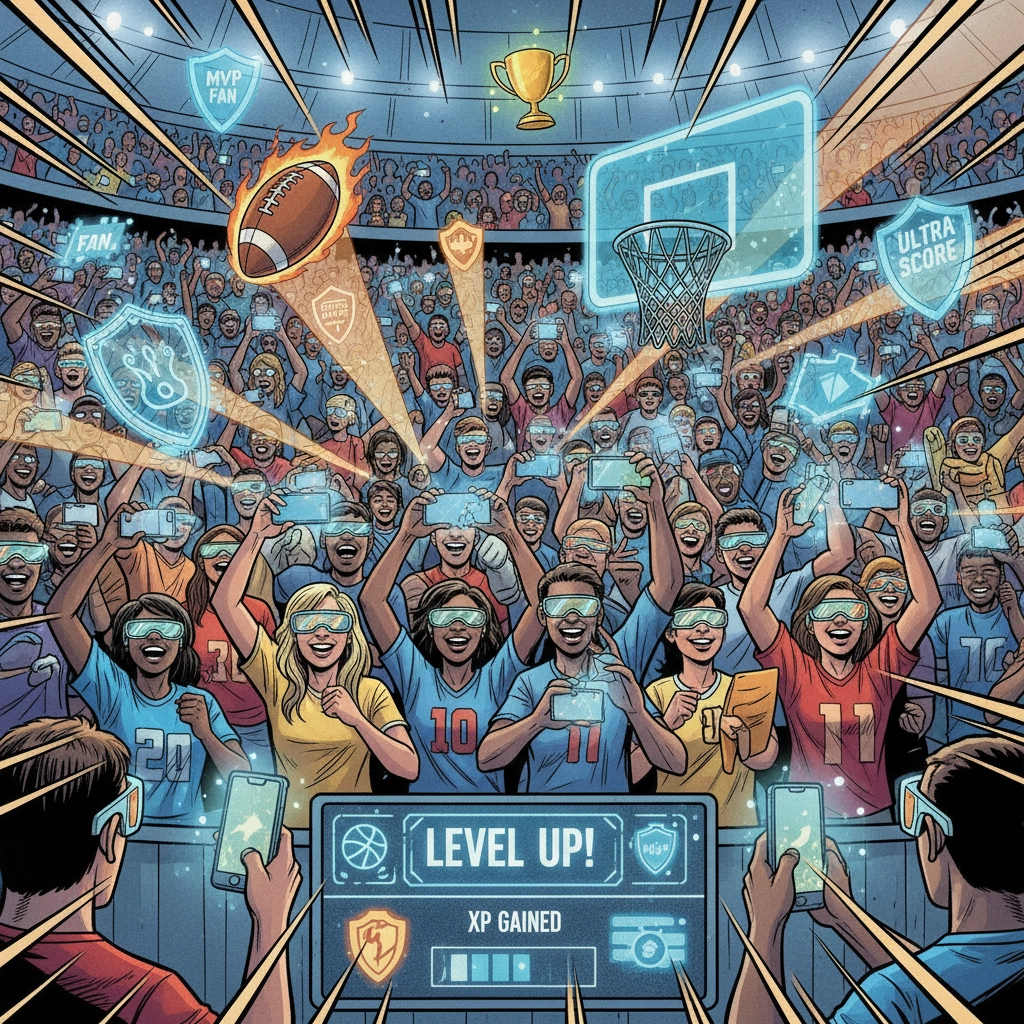
Real-time trivia and prediction games keep fans engaged during breaks while creating natural advertising moments. Partner with sponsors to offer prizes, and use game participation to build email lists for future marketing. Winners get exclusive merchandise previews or early access to ticket sales, creating a cycle that drives repeat engagement and purchases.
Step 4: Bridge Digital and Physical Experiences Seamlessly
The most successful fan experiences don't start when someone enters the stadium and end when they leave. They create connected journeys that span multiple touchpoints and create ongoing relationship opportunities.
Pre-game digital engagement sets the stage for in-venue spending. Send interactive venue maps through mobile apps that highlight new food options, merchandise stands, or photo opportunities. Include exclusive app-only offers that encourage downloads and account creation for future retargeting.
During games, connect outdoor digital displays with mobile experiences. Stadium billboards can advertise app-exclusive merchandise discounts with QR codes that unlock limited-time offers. This creates urgency while driving immediate mobile engagement and purchases.
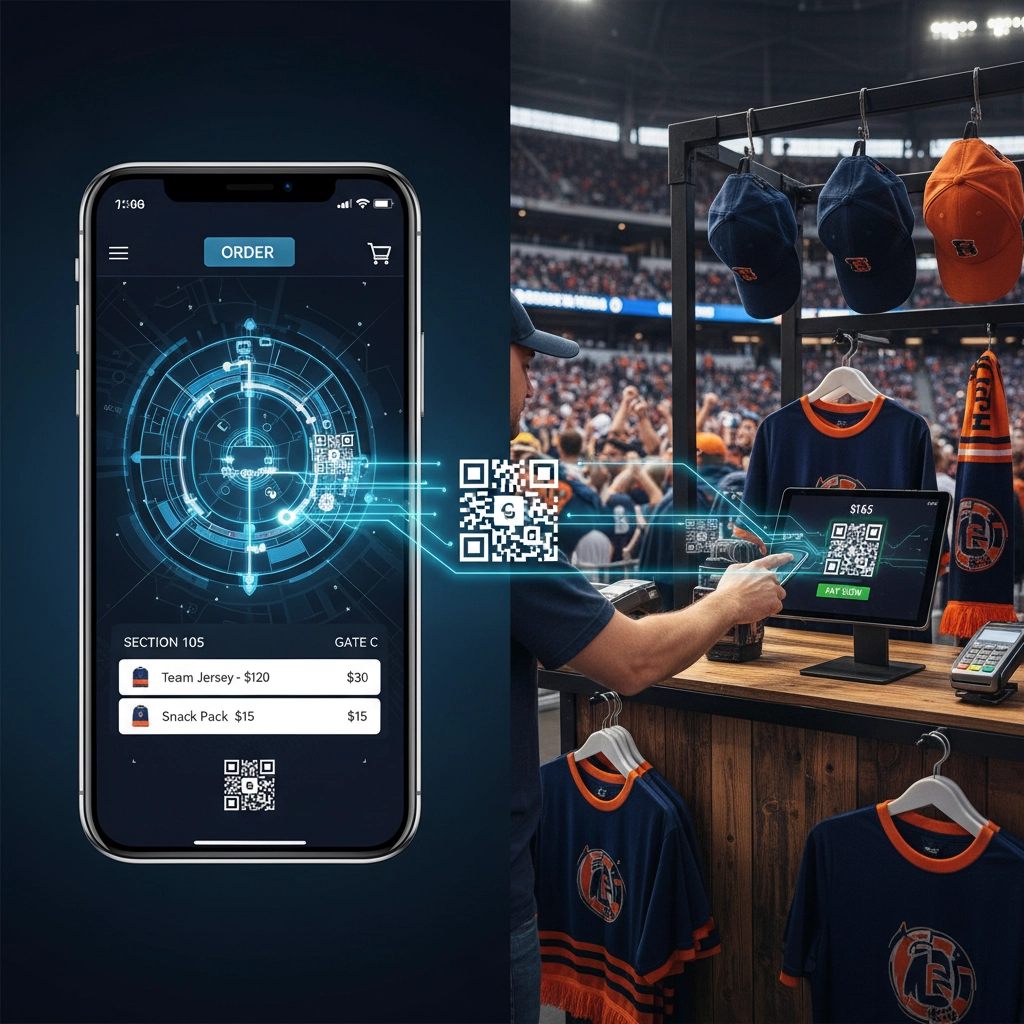
Post-game experiences extend the revenue opportunity. Send personalized highlight reels featuring moments from the fan's section, complete with offers for season ticket upgrades or merchandise featuring players who performed well. Use location data to offer parking discounts for future games or nearby restaurant partnerships.
Social sharing integration amplifies every experience. When fans unlock achievements, make purchases, or attend special events, make it easy to share these moments with built-in photo opportunities and shareable content. Friends who see these posts become leads for future ticket sales and experiences.
Step 5: Segment and Target for Maximum Revenue Impact
Not all fans are the same, and treating them differently drives better results for everyone involved. Use behavioral data and spending patterns to create dynamic segments that enable precise targeting and personalized offers.
First-time visitors get welcome experiences focused on navigation and discovery, with offers designed to encourage return visits. Season ticket holders receive VIP perks and exclusive merchandise previews that reinforce their loyalty investment. High-spending fans get personalized concierge services and premium upgrade offers.
Real-time segmentation enables immediate optimization. If premium seat sections aren't filling up, send upgrade offers to fans in general admission areas during the first quarter. If merchandise sales are slow in certain areas, push location-based promotions to fans in those sections.
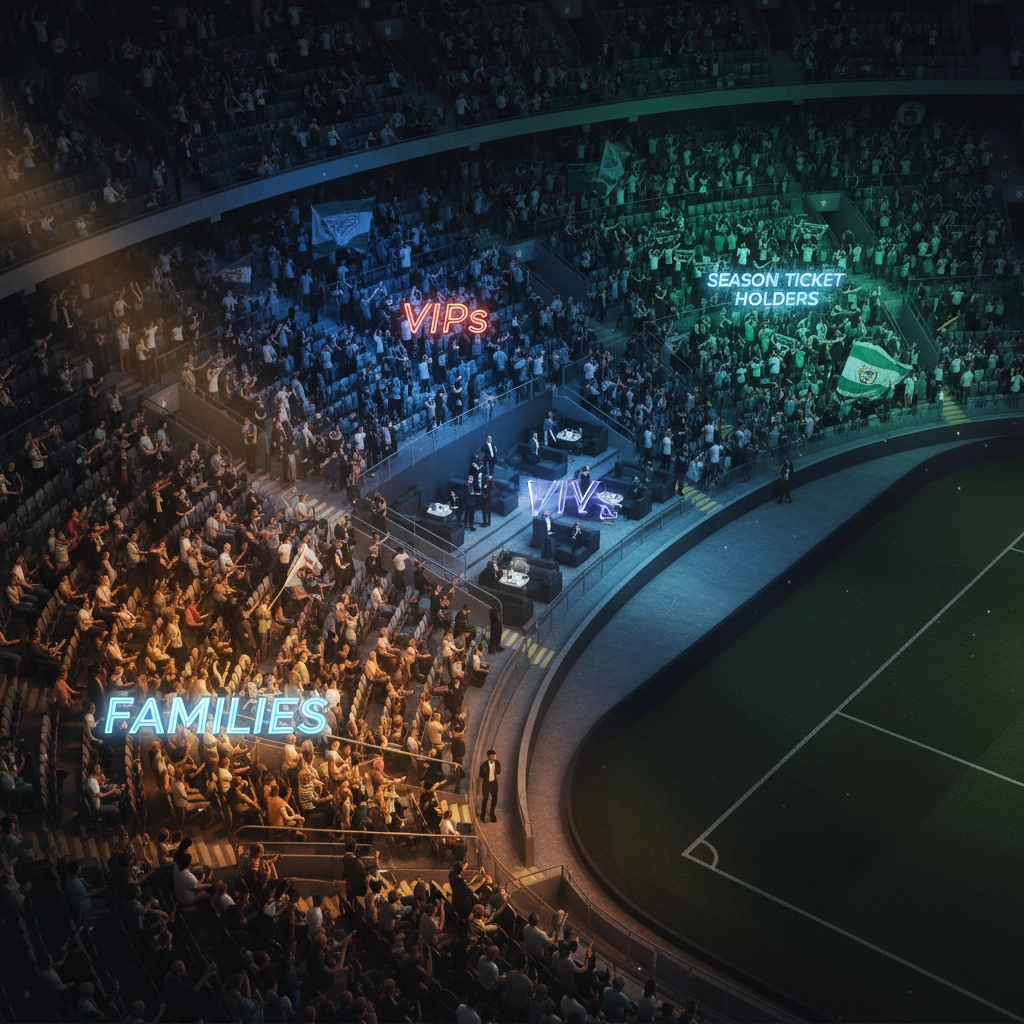
Behavioral triggers create automated sales opportunities. Fans who spend above average amounts on merchandise get early access to limited edition items. Groups who buy multiple tickets receive tailored party packages or group dining offers. Fans who frequently attend games but rarely buy concessions get targeted food and beverage promotions.
Create loyalty programs that reward engagement across all touchpoints, not just spending. Fans earn points for app usage, social sharing, survey completion, and attendance, not just purchases. This builds stronger relationships while creating multiple opportunities to influence buying decisions.
The key to success is treating each interaction as part of a larger relationship rather than a single transaction. Use rule-based automation to deliver personalized experiences at scale through push notifications, SMS, and in-app messages that feel personal even when reaching thousands of fans simultaneously.
Smart stadiums aren't just about technology – they're about using that technology to create experiences that fans value enough to pay for repeatedly. When you combine real-time data, personalized AI experiences, engaging gamification, seamless digital integration, and targeted segmentation, you create a system that drives revenue while building lasting fan relationships.
The teams and venues that master this framework won't just sell more tickets, merchandise, and concessions. They'll build communities of engaged fans who become advocates, repeat customers, and long-term revenue generators. Start with one step, measure the results, and build from there. Your fans – and your bottom line – will thank you.