

Look, we need to have a real talk about sports sponsorship ROI. The industry has been feeding brands some serious BS for years, and it's time someone spilled the beans. As someone who's been in the sports marketing trenches, I'm here to blow the whistle on what those stadium advertising "experts" really don't want you to figure out.
The 3,000 Ad Problem Nobody Talks About
Here's the first dirty secret: during a single game day, fans get bombarded with over 3,000 sponsorship advertisements. Yes, you read that right – THREE THOUSAND. That LED board rotating your logo? It's cycling through hundreds of other sponsors at lightning speed.
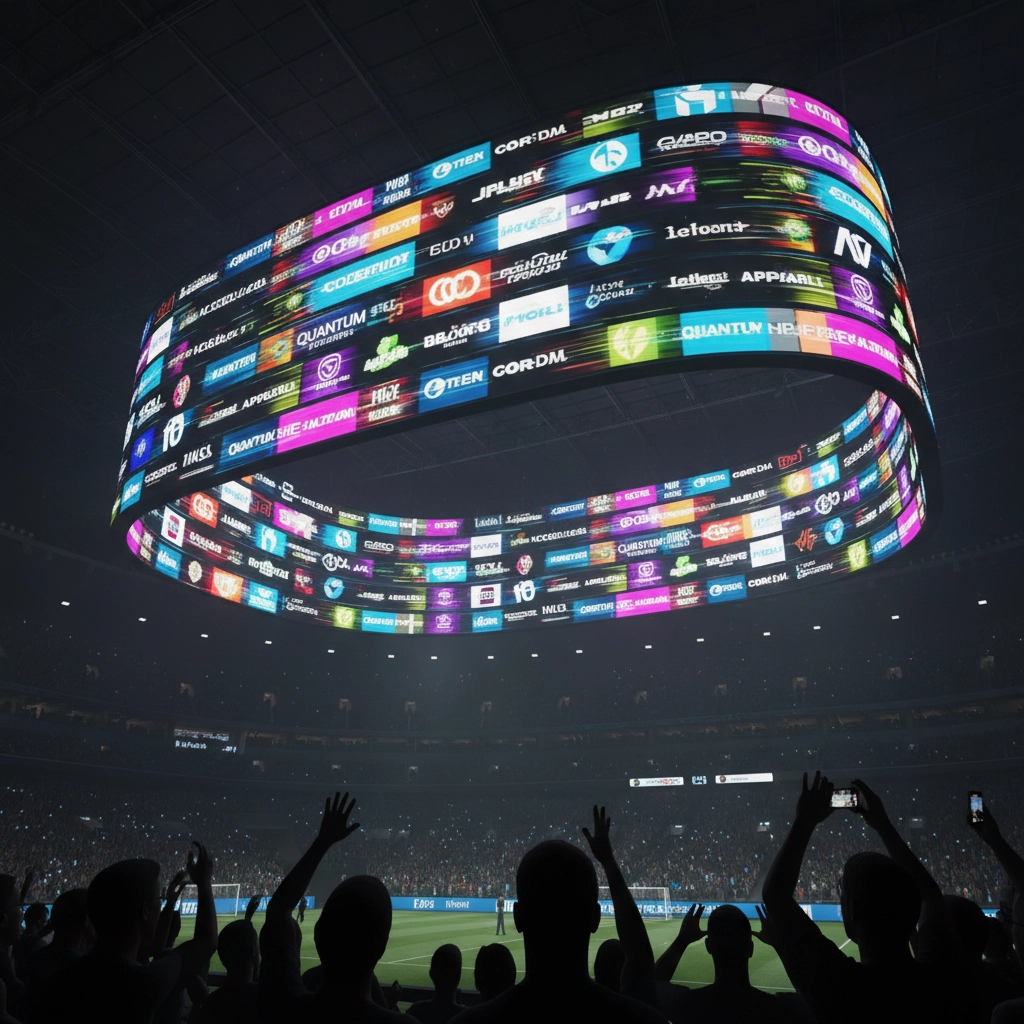
Those fancy dasher board ads during live play? They're competing with dozens of other messages while fans are actually trying to watch the game. Some venues run sponsor promotions every 5 seconds for over an hour during pregame alone. Your "premium" sponsorship package is getting lost in a sea of visual noise that would make Times Square jealous.
The math is brutal: if there are 3,000 ads and 50,000 fans in attendance, each ad gets roughly 16.7 individual "exposures" – and that's assuming every fan is paying attention to every single ad (spoiler alert: they're not).
The ROI Formula They Don't Want You to Master
Stadium advertising experts love throwing around impressive-sounding metrics like "audience reach" and "media exposure value." But here's what they're not telling you: the basic ROI formula they use is deliberately misleading.
The Real Formula:
Most experts use this oversimplified approach: Expected dollar benefit ÷ sponsorship value = ROI. Sounds reasonable, right? Wrong.
What Actually Works:
The pros use something called ROSI (Return on Sponsorship Investment), which includes a strategic performance weighting factor that completely changes the game. This factor comes from market research measuring how your sponsorship actually resonates with your target audience, not just how many eyeballs theoretically saw it.
If your ROSI score falls below 1, you're literally burning money. Above 1 means you're actually generating value. Most brands never even calculate this properly because the experts selling them packages don't want them to know how bad their real performance is.
The Three-Pillar Secret They Keep Hidden
Here's the framework the top-performing brands use (and that most "experts" conveniently forget to mention): every sponsorship must be measured across Reach, Brand Equity, and Behavior Change. Not just one or two – all three.
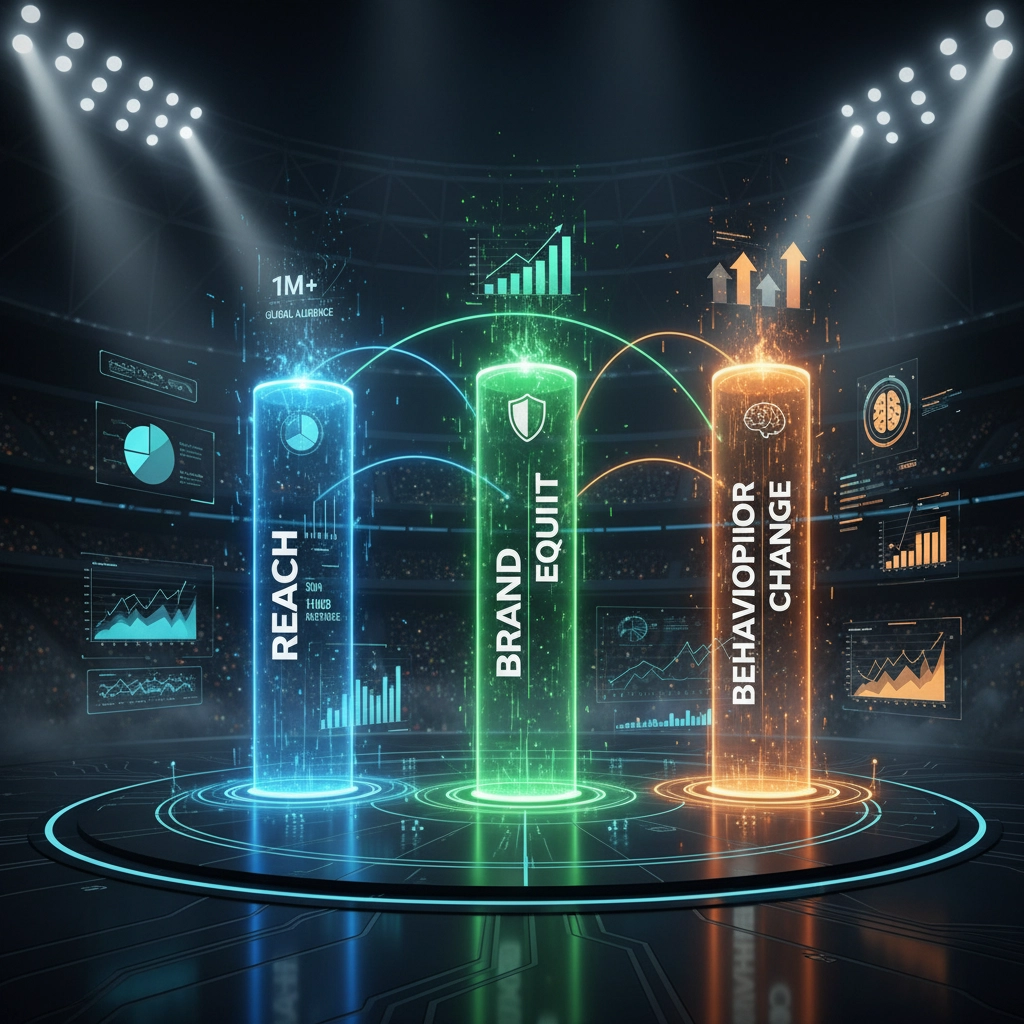
Reach: Not just how many people saw your logo, but how many actually noticed and remembered it
Brand Equity: How the sponsorship changed brand awareness, image, and consideration
Behavior Change: Actual purchasing decisions and customer lifetime value increases
Most agencies only track reach because it's the easiest to inflate. They'll show you massive audience numbers while completely ignoring whether anyone actually cares about your brand or buys your product.
The Individual Athlete ROI Scam
This one's particularly sneaky. When you sponsor individual athletes, traditional ROI calculation goes out the window. The "experts" will show you social media follower counts and media appearances, but they're missing the critical factors that actually drive results.
What really matters:
- Performance correlation (does the athlete actually win?)
- Authentic brand alignment (do fans believe the partnership makes sense?)
- Community involvement quality (not just showing up, but genuine engagement)
- Personal brand growth that reinforces your messaging

Most athlete partnerships fail because brands get sold on surface metrics instead of these deeper performance indicators. The dirty secret? Many agencies don't track these because they're harder to fake.
The Venue Diversity ROI Shell Game
Here's a big one: venues hosting different types of events (sports, concerts, conventions) often sell sponsorship packages using blended audience data. They'll show you impressive total numbers without breaking down how your ROI changes dramatically based on the event type.
A beer sponsor might crush it during hockey games but bomb during family-friendly soccer matches. The venue "experts" don't want you to know this because it would require them to offer more targeted (and realistic) pricing instead of one-size-fits-all packages.
The TV Viewership Inflation Trick
Nielsen ratings look impressive on paper, but here's what they don't tell you: you need to compare sponsored event performance against historical non-sponsored games to determine your actual incremental value.
Most brands see those big viewership numbers and assume their sponsorship drove the audience. The reality? The incremental lift from sponsorship is usually much smaller than projected. Sometimes it's barely measurable at all.

The smart money tracks viewership changes specifically attributable to their sponsorship presence, not just total audience size. This requires more sophisticated measurement, which most "experts" avoid because it reveals how little value some partnerships actually deliver.
The Post-Event Reporting Black Hole
This might be the biggest scam of all. Many sponsorship deals include "detailed post-event reporting," but the reports are often garbage. They'll flood you with vanity metrics like impressions and reach while completely avoiding the hard questions about actual business impact.
What you should demand:
- Specific metrics tied to your business objectives
- Comparative analysis against non-sponsored events
- Brand equity measurement changes
- Customer acquisition cost calculations
- Long-term brand value impact assessment
The Strategic Performance Weighting Secret Sauce
Here's the advanced technique that separates the pros from the amateurs: strategic performance weighting. This involves running market research specifically designed to measure how your sponsorship resonates with target audiences.
The results create a multiplier that gets applied to your monetary returns before calculating final ROSI. This can completely flip a seemingly successful sponsorship into a money pit, or reveal hidden value in partnerships that looked mediocre on paper.
Most agencies don't offer this because it requires actual expertise and investment in proper measurement tools. It's easier to show you impressive exposure numbers and hope you don't ask hard questions.
The Bottom Line Truth
The sports sponsorship industry has been built on inflated metrics and incomplete measurement because it's profitable to keep brands in the dark. The "experts" selling these packages often don't understand true ROI calculation themselves, or they're incentivized to hide the real numbers.

But here's the good news: brands that understand these hidden complexities and implement comprehensive measurement strategies consistently outperform those relying on surface-level metrics. The key is establishing clear objectives across all three performance pillars while accounting for the overwhelming advertising saturation that characterizes modern sports environments.
Don't let them fool you with fancy presentations and impressive-sounding numbers. Demand real measurement, understand the true competitive landscape, and calculate your actual ROSI using strategic performance weighting. Your marketing budget will thank you.
The sports sponsorship game is changing, and the brands that adapt to these realities will dominate while others keep throwing money at inflated promises. Now you know what the experts don't want you to know – use it wisely.