

Game day doesn't start when fans walk through the turnstiles. It starts the moment they leave their hotel room, stop at a convenience store for snacks, or grab a pre-game drink at the local bar. Smart brands know this. And they're using the 3-Mile Rule to capture attention long before fans ever reach the stadium.
If you're still focused solely on in-venue advertising, you're missing a massive chunk of your audience. Let's break down how Digital Out-of-Home (DOOH) strategies within a 3-mile radius of sports venues are changing the game for marketers.
What Is the 3-Mile Rule?
The 3-Mile Rule is simple but powerful. It's a strategic approach that targets fans within a 3-mile radius of a stadium or arena on game days. This zone is where the magic happens. Fans are already in "game mode," they're excited, engaged, and highly receptive to brand messaging.
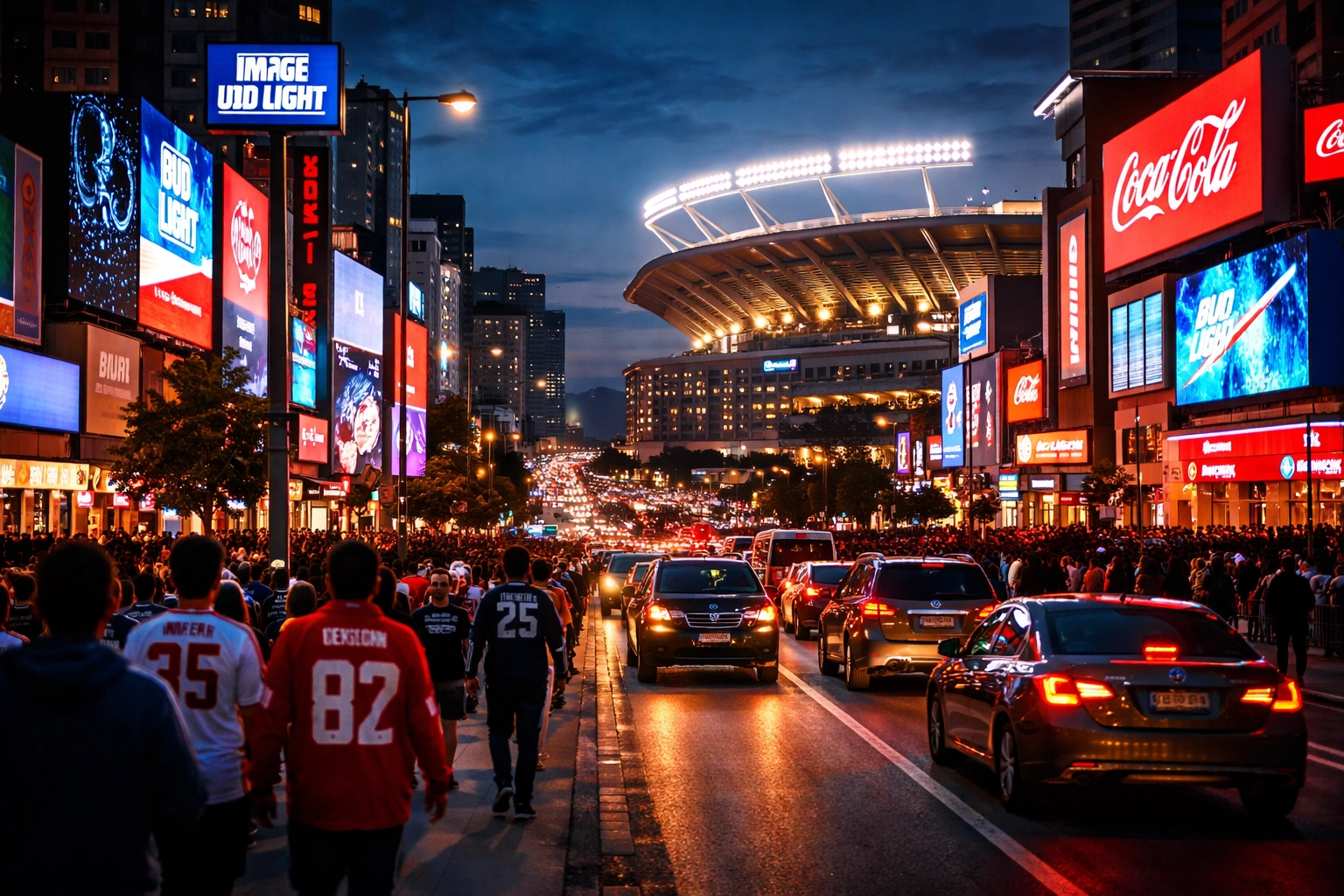
Think about it. A fan driving to the stadium passes digital billboards. They stop at a gas station. They check into a nearby hotel. They hit up a sports bar for wings and a beer. Every single one of these touchpoints is an opportunity to connect with them before they're even inside the venue.
Why the 3-Mile Radius Matters
Here's a stat that should make every marketer pay attention: people spend approximately 70% of their waking hours outside of their homes. That's a lot of time spent in cars, at stores, in restaurants, and moving through public spaces. And yet, many brands pour their budgets into digital ads that people scroll past in milliseconds.
Out-of-Home advertising flips the script. It meets fans where they physically are. And when you narrow that focus to a 3-mile radius around a stadium on game day, you're targeting a highly concentrated, highly engaged audience.
The 3-mile zone typically includes:
- Hotels where visiting fans and teams stay
- Bars and restaurants packed with pre-game crowds
- Convenience stores and gas stations where fans grab last-minute supplies
- Major roadways and intersections with heavy game-day traffic
- Parking lots and garages near the venue
This isn't spray-and-pray advertising. This is precision targeting in the physical world.
DOOH in Bars and Restaurants: Where the Party Starts
Let's be real. For a lot of fans, the pre-game ritual at a local bar is just as important as the game itself. They're watching pregame coverage, talking trash with friends, and getting hyped up. This is prime time for brand engagement.
Digital screens in bars and restaurants within the 3-mile zone offer incredible opportunities. You can run targeted ads during the hours leading up to kickoff. You can promote special offers, sponsor trivia games, or simply build brand awareness while fans are in a positive, social mindset.
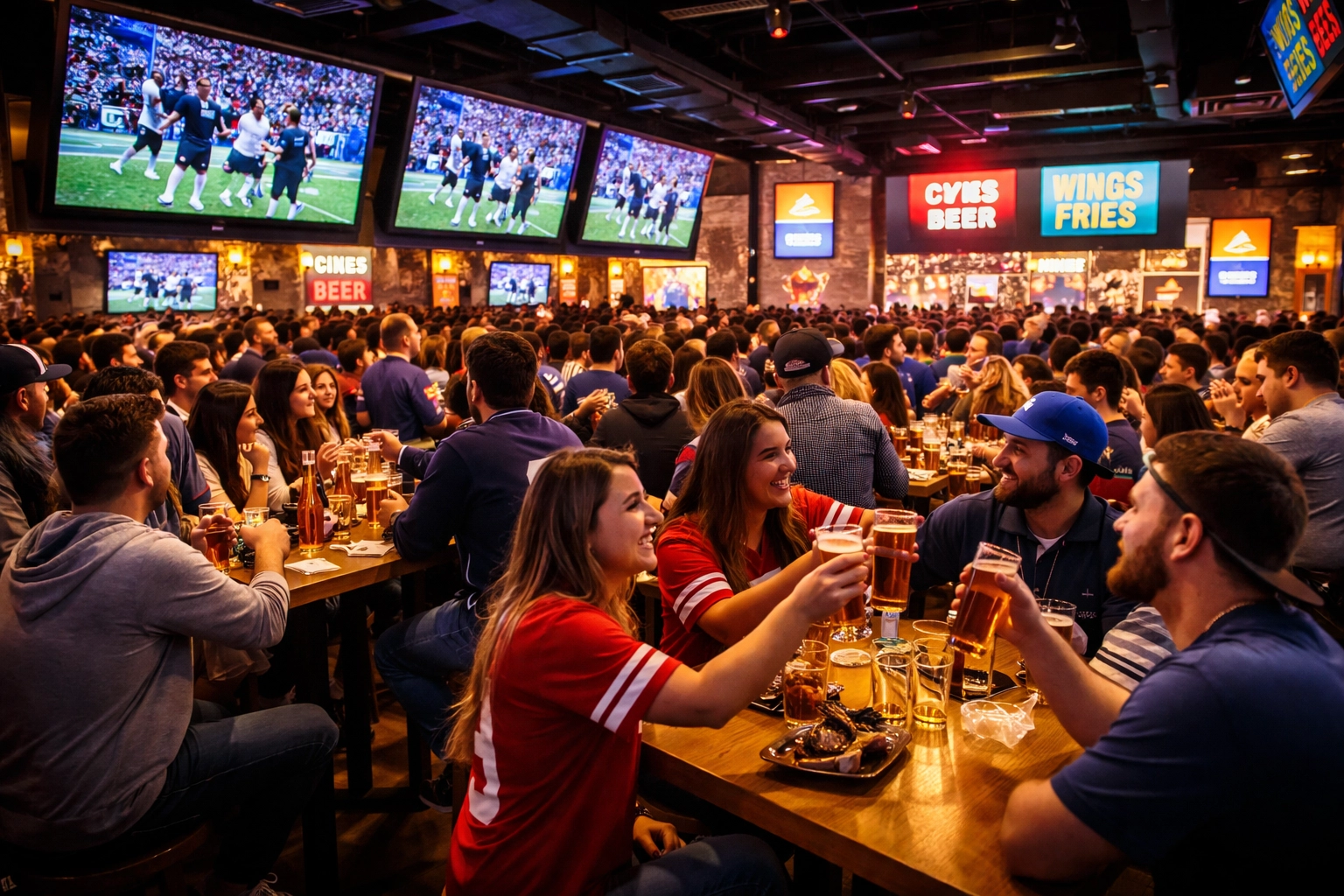
The key here is context. Your messaging should feel like part of the game-day experience, not an interruption. Think about creative that celebrates the local team, references the matchup, or offers game-day deals. Make fans feel like your brand is part of the action.
Hotels: Capturing the Out-of-Town Crowd
Visiting fans are gold. They've traveled to see their team play, which means they're dedicated, engaged, and often have disposable income to spend. Hotels within a 3-mile radius of major venues are filled with these high-value fans on game days.
DOOH placements in hotel lobbies, elevators, and common areas put your brand directly in front of this audience. Digital screens can display targeted content based on the day's event, welcoming visiting fans while subtly (or not so subtly) promoting your products or services.
This is also a great opportunity for local businesses. Restaurants, transportation services, and entertainment venues can all benefit from reaching fans who are unfamiliar with the area and looking for recommendations.
Convenience Stores and Gas Stations: The Last Stop
Every game-day journey includes at least one pit stop. Fans need gas, snacks, drinks, and maybe some sunscreen or ponchos depending on the weather. Convenience stores and gas stations within the 3-mile radius see massive spikes in traffic on event days.
Digital screens at these locations capture fans during moments of downtime. While they're waiting for their tank to fill or standing in line to pay, they're a captive audience. This is your chance to deliver a quick, memorable message.
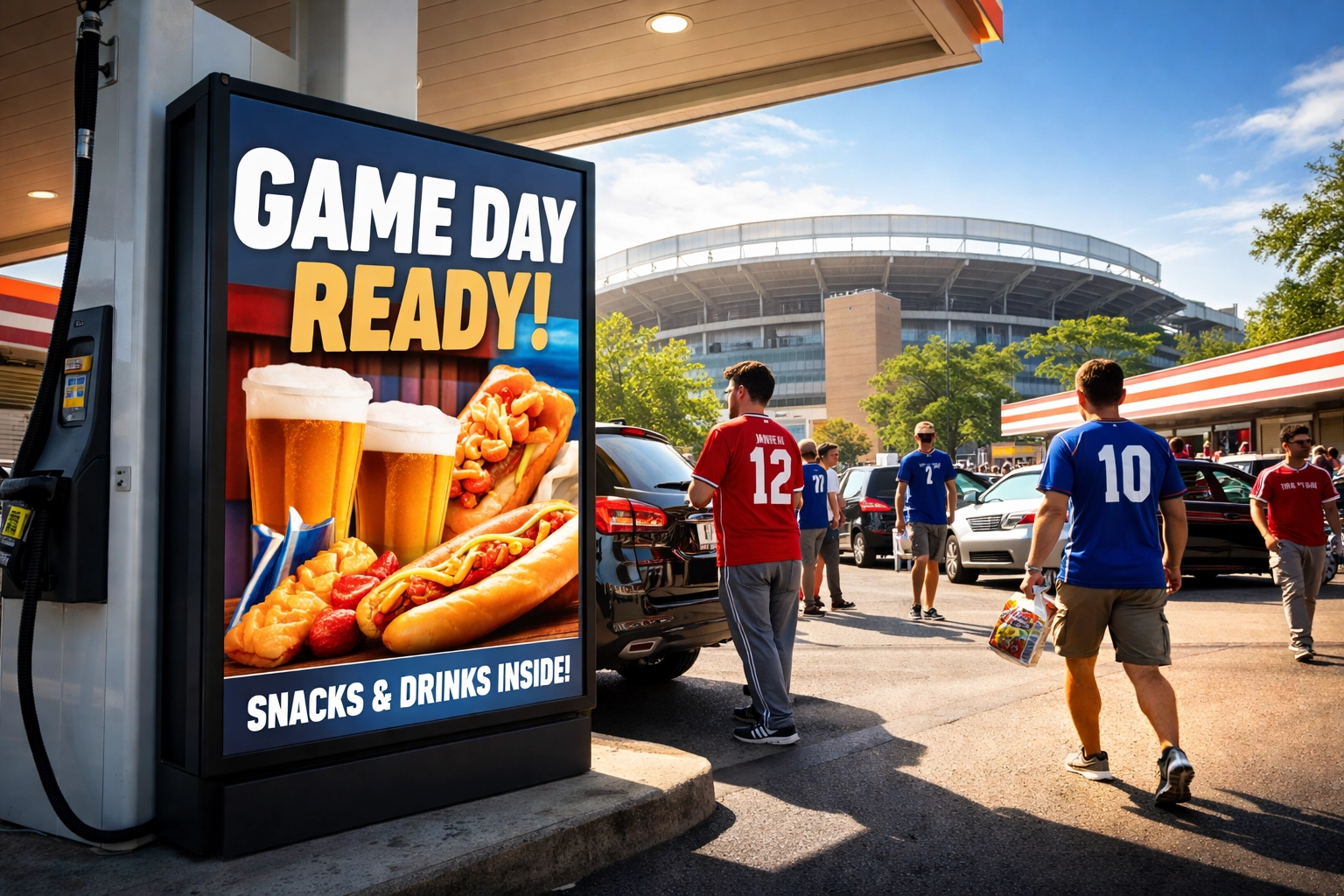
CPG brands especially should pay attention here. If you sell beverages, snacks, or any other game-day essentials, DOOH advertising at these locations can drive immediate purchase decisions. Pair your digital ads with in-store promotions for maximum impact.
Digital Billboards: Owning the Roads
Game-day traffic is notorious. Fans spend significant time in their cars navigating to the venue, often stuck in slow-moving congestion. This creates extended exposure time for digital billboards along major routes.
Strategic billboard placements within the 3-mile zone can deliver repeated impressions to the same fans as they inch closer to the stadium. Dynamic content allows you to update messaging in real-time based on game schedules, weather, or even live scores if the timing is right.
The visual impact of a well-designed digital billboard is hard to ignore. Unlike a banner ad that gets scrolled past, a 48-foot digital display commands attention. Use bold visuals, minimal text, and clear calls to action.
Timing Is Everything
One of the biggest advantages of DOOH is the ability to daypart your campaigns. You don't need your ads running 24/7. Instead, you can focus your budget on the hours that matter most.
For a 7:00 PM game, that might mean ramping up your DOOH presence starting at 3:00 PM when fans begin their journeys. For a noon kickoff, you're looking at morning hours. The point is, you can align your spending with actual fan movement patterns.
This level of precision was impossible with traditional static billboards. Digital technology has changed the game, allowing brands to be strategic about when and where their messages appear.
Building a Full-Funnel Game Day Strategy
The 3-Mile Rule isn't about replacing in-venue advertising. It's about extending your reach and creating multiple touchpoints throughout the fan journey. Think of it as a full-funnel approach to game day.
Top of funnel: Digital billboards and highway signage build awareness as fans travel to the area.
Middle of funnel: Bar, restaurant, and hotel placements engage fans in social settings and drive consideration.
Bottom of funnel: Convenience store and gas station screens capture fans at the point of purchase.
In-venue: Stadium and arena advertising reinforces your message during the main event.
When all these elements work together, you create a cohesive brand experience that stays with fans long after the final whistle.
Measuring Success in the Physical World
One common objection to OOH advertising is the difficulty of measurement. How do you know if those billboard impressions actually drove results?
The good news is that DOOH measurement has come a long way. Mobile device data can track foot traffic patterns, showing how many people who saw your ad later visited your store or website. Attribution modeling can connect OOH exposure to online conversions. And brand lift studies can measure changes in awareness and perception.
At Sports Media Inc., we help brands navigate these measurement challenges with robust data analytics solutions. You don't have to guess whether your DOOH campaigns are working.
Ready to Capture Fans Before They Reach the Gate?
The 3-Mile Rule is more than a clever concept. It's a proven strategy for reaching sports fans at their most engaged moments. By leveraging DOOH placements in bars, hotels, convenience stores, and along major roadways, you can build brand awareness, drive consideration, and influence purchase decisions before fans ever step inside the venue.
If you're ready to explore how DOOH can amplify your sports marketing strategy, get in touch with our team. We specialize in stadium and arena advertising, media planning and buying, and everything in between. Let's capture those fans together.