

Out-of-home sports advertising is a beast. When done right, it can fill stadiums, boost brand awareness, and create those magical moments that turn casual fans into die-hard supporters. When done wrong? You're basically throwing money into a black hole while your competitors laugh all the way to the bank.
After years of working with sports organizations, teams, and brands, we've seen the same costly mistakes happen over and over again. The good news? These mistakes are totally fixable once you know what to look for.
Let's dive into the seven biggest blunders that are probably killing your ROI right now – and more importantly, how to fix them.
Mistake #1: Testing Your Campaign in the Most Expensive Markets First
Here's a classic rookie move: launching your first out-of-home campaign in New York, Los Angeles, or Chicago because "that's where the big audiences are."
Bad idea. Terrible idea, actually.
Major metropolitan areas require about 20 times the budget to achieve the same penetration levels as smaller markets. We're talking about a $420,000 investment for entry-level campaigns in NYC versus $15,000-$18,000 in markets like New Orleans, Tulsa, or Nashville for similar reach.

The Fix: Start small, think big. Test your creative, messaging, and strategy in mid-tier markets first. Once you've proven your campaign works and optimized your approach, then scale up to the expensive markets. Your accountant will thank you, and you'll have solid data to back up your bigger investments.
Mistake #2: Obsessing Over Brand Awareness While Ignoring Performance Metrics
"Our billboard got 2 million impressions!" Cool story. But did anyone actually do anything after seeing it?
Too many sports advertisers get stuck in the old-school mindset of tracking only brand awareness metrics. Don't get me wrong – brand awareness matters. But if that's all you're measuring, you're missing the full picture of what your out-of-home campaigns are actually accomplishing.
The Fix: Track the metrics that matter for modern sports advertising:
- Website traffic spikes after campaign launch
- Mobile app downloads during game days
- Online ticket sales lift
- Social media engagement increases
- QR code scans from outdoor ads
When fans see your sports advertisement, they take action. Make sure you're capturing and measuring all of those actions, not just the "saw your ad" part.
Mistake #3: Spray and Pray Audience Targeting
"Everyone loves sports, right?" Wrong. Even within sports fans, there are massive differences in preferences, behaviors, and spending patterns.
Running generic sports advertising without crystal-clear audience definition is like trying to hit a bullseye while blindfolded. You might get lucky occasionally, but most of your shots will miss the mark entirely.
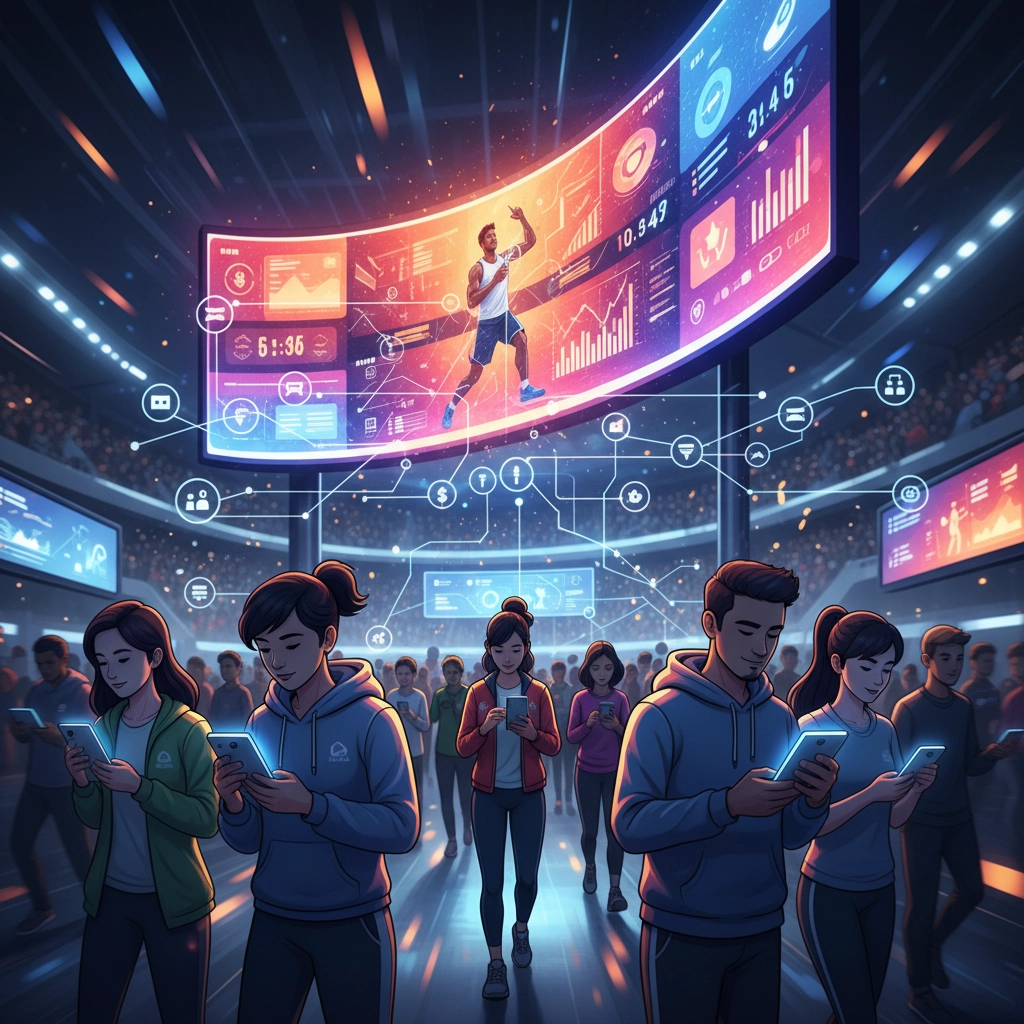
The Fix: Get specific about who you're trying to reach:
- Are you targeting season ticket holders or casual fans?
- Which sports and teams do they follow?
- What's their age range and income level?
- Where do they live and work?
- How do they consume sports content?
Use this data to create audience segments, then test different messaging for each group. A message that resonates with hardcore football fans might completely miss the mark with families looking for weekend entertainment.
Mistake #4: The Wacky Promotion Trap
Minor league teams are notorious for this one, but major league organizations fall into it too. The thinking goes: "Let's do something completely outrageous to get attention!"
Sure, "Zombie Apocalypse Night" or "Bring Your Llama to the Game Day" might get you some social media buzz. But if that's your entire strategy, you're building your brand on novelty rather than genuine fan engagement.
The Fix: Use attention-grabbing promotions as part of a broader fan engagement strategy, not as the entire strategy. Balance the wacky stuff with:
- Community involvement initiatives
- Player meet-and-greets
- Youth sports partnerships
- Local business collaborations
Build lasting relationships, not just one-night stands with fans.
Mistake #5: Sending Traffic to Generic Landing Pages
You've created this amazing billboard that gets fans excited about your upcoming game or season tickets. They pull out their phone, type in your URL, and… land on your basic homepage with 47 different navigation options.
Confusion sets in. They bounce. Sale lost.
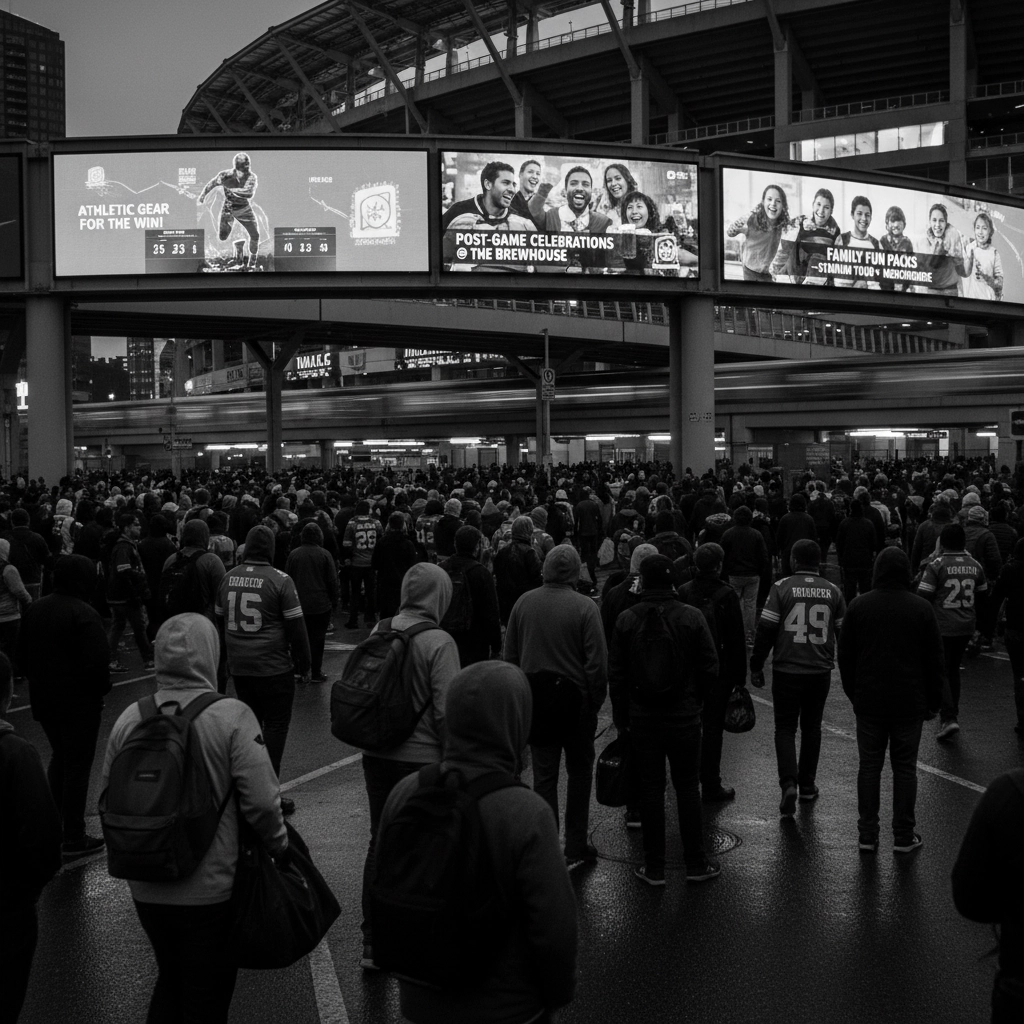
The Fix: Create custom landing pages for each campaign that:
- Match your outdoor ad's messaging and design
- Have one clear call-to-action
- Highlight the specific offer or promotion from your ad
- Work perfectly on mobile devices
- Load lightning-fast
Your landing page should feel like a natural continuation of your outdoor advertisement, not a completely different experience.
Mistake #6: Inconsistent Visual Branding
Sports fans are passionate about their teams, and they can spot off-brand content from a mile away. If your outdoor advertising doesn't align with your team's visual identity, you're not just wasting money – you're actually damaging trust with your fanbase.
Poor visuals or inconsistent branding immediately hurt credibility. People process visuals faster than text, so if your ads look low-quality or off-brand, fans will mentally check out before they even read your message.
The Fix: Stick religiously to your brand guidelines:
- Use high-resolution images that look crisp at billboard size
- Maintain your team's color palette and typography
- Keep visual hierarchy simple: headline, compelling image, clear call-to-action
- Test how your designs look at various sizes and viewing distances
Remember, your outdoor advertising might be someone's first interaction with your brand. Make it count.
Mistake #7: Going All-In on Either Traditional OR Digital OOH
Here's the thing about the outdoor advertising landscape: the vast majority of locations are still traditional (non-digital). If you only focus on digital billboards and LED displays, you're limiting your reach significantly.
But if you ignore digital entirely, you're missing out on some amazing targeting and timing opportunities. Digital out-of-home lets you change messaging based on game schedules, weather conditions, team performance, and real-time events.
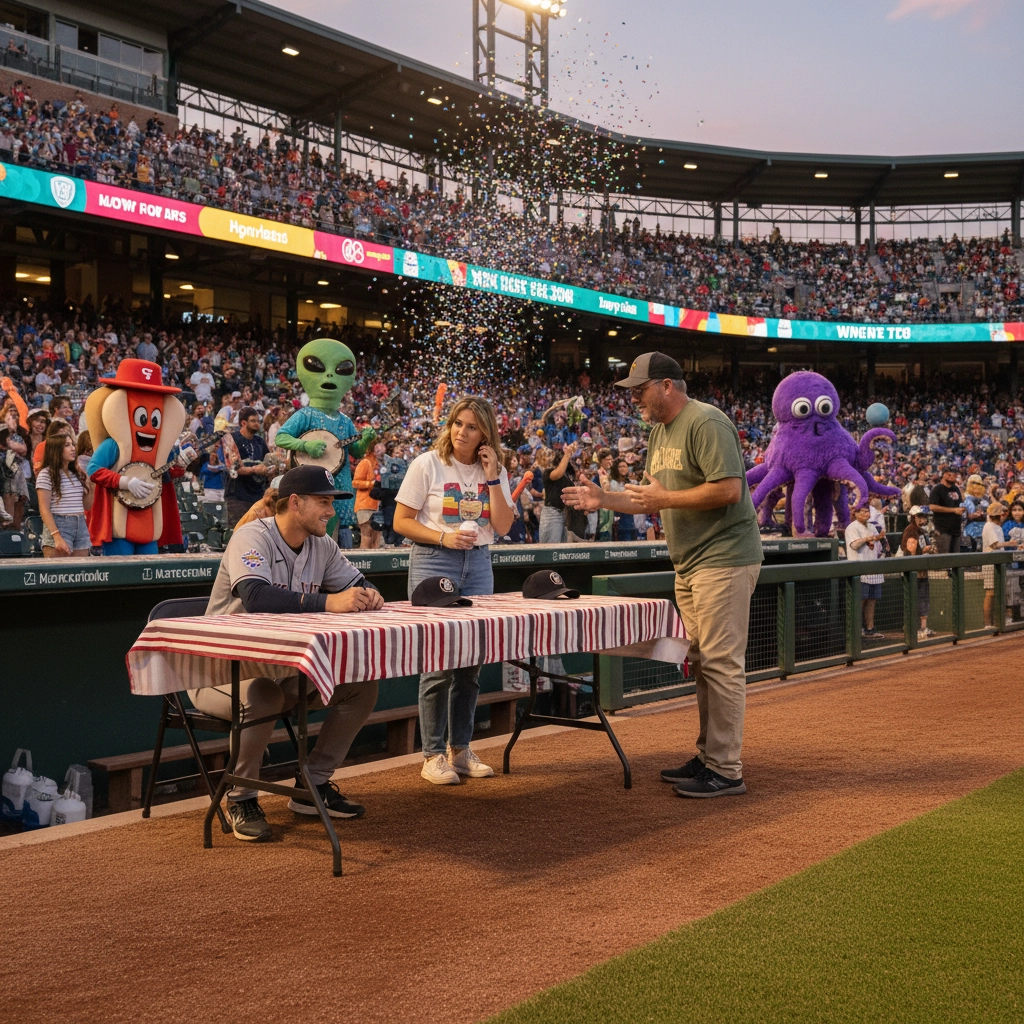
The Fix: Blend both approaches strategically:
- Use traditional billboards for consistent brand presence and broad reach
- Deploy digital displays for time-sensitive promotions and contextual messaging
- Coordinate campaigns so your traditional and digital ads complement each other
- Use programmatic buying to pulse digital ads during high-impact moments like playoff runs or rivalry games
This hybrid approach maximizes your reach while giving you the flexibility to respond to real-time opportunities.
Bonus Mistake: Creative Fatigue
Sports seasons are long. If you're running the same creative for months without updates, your audience will start tuning out. Even the most compelling advertisement loses its punch when people see it every day for weeks on end.
The Fix: Plan for creative refreshes throughout your campaign:
- Rotate headlines, images, and offers every few weeks
- Update messaging based on team performance and season milestones
- Create seasonal variations tied to playoffs, championships, or off-season events
- Monitor engagement metrics to catch early signs of creative fatigue
Ready to Fix These Mistakes?
Out-of-home sports advertising doesn't have to be a guessing game. When you avoid these seven costly mistakes, you'll see better ROI, higher fan engagement, and more ticket sales.
The sports advertising landscape is evolving fast, and the organizations that adapt their out-of-home strategies will be the ones that thrive. Don't let these common mistakes hold your team back from reaching its full potential.
At Sports Media Inc., we've helped countless sports organizations optimize their out-of-home advertising strategies. Want to learn more about our services and how we can help you avoid these costly mistakes? Let's talk about turning your out-of-home advertising into a fan acquisition and revenue-driving machine.