

The short answer? Traditional sports ads aren't dead, but they're getting a complete makeover. If you're still buying ad spots the same way you did five years ago, you're already behind the curve. The sports advertising landscape is transforming faster than a Connor McDavid breakaway, and AI and programmatic buying are leading the charge.
The Great Sports Media Shake-Up
Let's be real – the old playbook is getting tossed out the window. Traditional cable is hemorrhaging subscribers while streaming platforms are scooping up sports content like it's going out of style. When WWE Raw ditched network TV after 33 years to jump to Netflix, and the Super Bowl started streaming on Fox's Tubi platform, the writing was on the wall.
But here's the thing – this isn't doom and gloom for advertisers. It's actually opening doors that were previously locked tight. That premium inventory that used to be reserved for Fortune 500 companies with eight-figure budgets? Now smaller brands can get in on the action through programmatic buying.

AI is Turning Fans Into Customers (For Real This Time)
Remember when "targeted advertising" meant showing beer ads during football games? Those days are long gone. AI is now creating advertising experiences so personalized, they're almost scary good.
Take Walmart's recent partnership with NBCUniversal during an NFL Thanksgiving broadcast. They used AI to analyze product search data and social signals in real-time, then dynamically delivered the most relevant ad creative to each viewer. The result? A 4x return on ad spend compared to traditional TV spots and QR-code scan rates five times higher than typical campaigns.
This isn't just incremental improvement – it's a fundamental shift from hoping your message reaches the right people to knowing it will.
Programmatic Buying: Your New Secret Weapon
If you're still manually negotiating ad buys and crossing your fingers for good placement, you're playing checkers while your competitors are playing chess. Programmatic buying has become the backbone of successful sports marketing campaigns.
The NBA's recent 11-year media partnership worth $77 billion with Disney, NBCUniversal, and Amazon Prime Video isn't just about content – it's about creating programmatic advertising opportunities that can reach fans across every screen they use.
Here's what programmatic brings to the table:
Real-Time Optimization: Your campaign performance looking weak? Programmatic platforms can adjust targeting, creative, and placement on the fly. No more waiting until the campaign ends to see what went wrong.
Cross-Platform Reach: Fans aren't just watching games on their TVs anymore. They're on their phones, tablets, and laptops. Programmatic lets you follow them everywhere with consistent messaging.
Budget Efficiency: Instead of buying broad reach and hoping for the best, you're paying for actual engagement with your target audience.

The Gaming Gold Rush
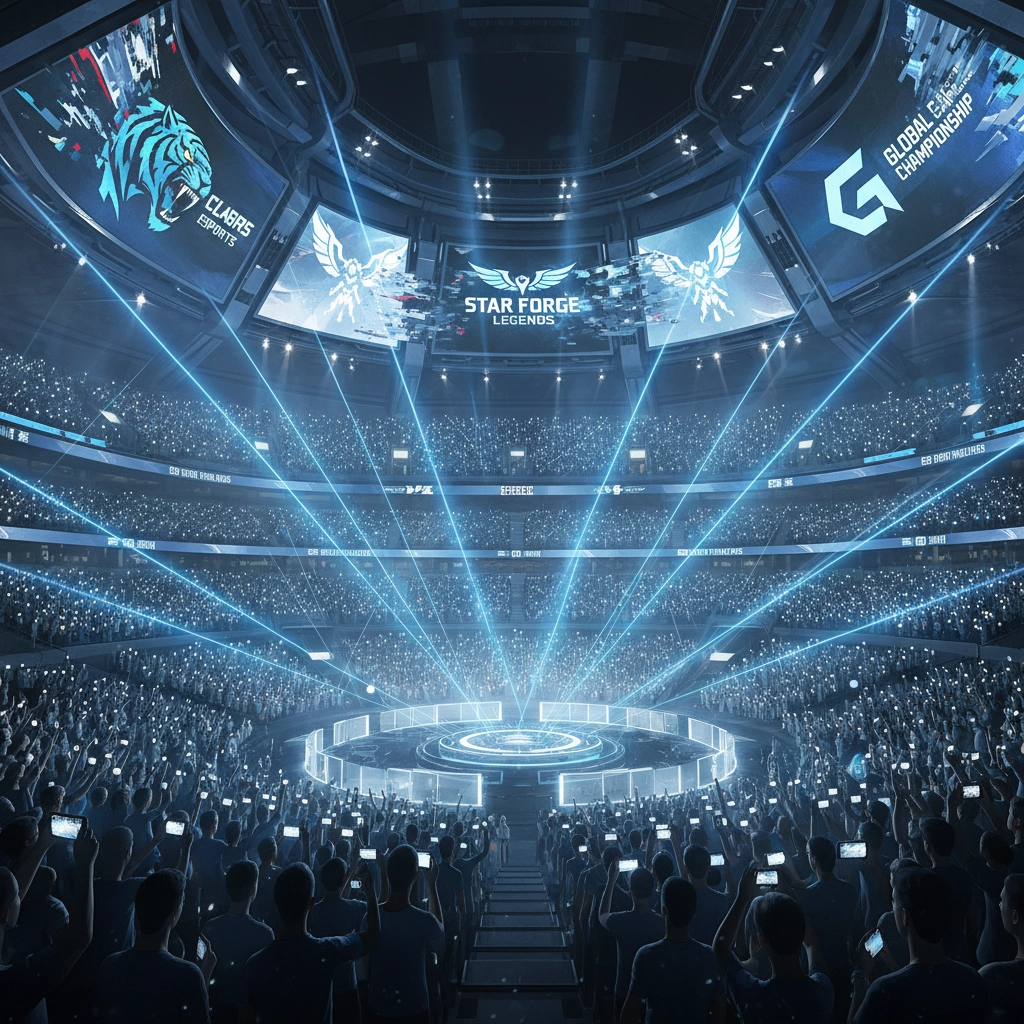
Speaking of reaching fans everywhere – the gaming world is exploding with advertising opportunities. The in-game advertising market is projected to hit $124.45 billion in 2025 and grow to over $181 billion by 2030.
This isn't your typical banner ad situation. We're talking about dynamic product placements that respond to gameplay, branded virtual environments that enhance the experience, and real-time advertisements that adapt to what's happening in the game.
For sports brands, this opens up massive opportunities to connect with younger demographics who might be cord-cutting traditional sports broadcasts but are spending hours in sports gaming environments.
Global Opportunities Are Everywhere
The transformation isn't just happening in the U.S. Football (soccer) commands 51% global fandom, with Mexico showing 64% fandom and the U.S. representing 62 million fans – making it the fourth largest market globally.
This global reach means sports advertisers can now target specific fan bases across different countries and cultures with precision that was impossible with traditional broadcasting models. An English Premier League match can have completely different advertising experiences for viewers in London versus Los Angeles, all managed through programmatic platforms.
What This Means for Your Sports Marketing Strategy
If you're working with Sports Media Inc. or thinking about stepping up your sports advertising game, here's what you need to know:
Data is King: Traditional sports advertising was about gut feelings and broad demographics. The new model requires robust data collection and analysis. You need to understand not just who your audience is, but how they behave across different platforms and touchpoints.
Creative Flexibility: Static ads are dead. Your creative needs to be dynamic, responsive, and optimized for multiple formats and platforms. Think video content that can be edited on-the-fly based on performance metrics.
Multi-Platform Strategy: Fans are consuming sports content across streaming services, social media, mobile apps, and traditional broadcasts. Your advertising strategy needs to follow them everywhere with consistent but platform-optimized messaging.
Real-Time Responsiveness: The ability to pivot quickly based on performance data isn't just nice to have – it's essential. If a particular creative isn't resonating, you need to be able to swap it out immediately, not wait for the next campaign cycle.
The Future is Already Here
The most successful sports advertisers aren't waiting to see how this transformation plays out – they're diving in headfirst. They're experimenting with AI-powered creative optimization, building relationships with programmatic platforms, and developing content strategies that work across every conceivable touchpoint.

The brands that will dominate sports advertising in the coming years are those that understand this isn't just about new technology – it's about fundamentally different relationships with sports fans. Instead of interrupting their viewing experience with irrelevant messages, you're becoming part of their sports journey with personalized, valuable content delivered at exactly the right moment.
Making the Transition
Ready to evolve your sports advertising approach? Start with these concrete steps:
-
Audit Your Current Strategy: How much of your sports advertising budget is going to traditional placements versus programmatic opportunities?
-
Invest in Data Infrastructure: You can't optimize what you can't measure. Make sure you have robust tracking and analytics in place.
-
Test and Learn: Start with smaller programmatic campaigns to understand what works for your brand and audience before scaling up.
-
Build Creative Assets: Develop a library of creative assets that can be mixed, matched, and optimized for different platforms and audiences.
-
Partner with Experts: Whether it's working with Sports Media Inc. or other specialized agencies, make sure you have access to the expertise needed to navigate this new landscape.
The sports advertising revolution isn't coming – it's here. The question isn't whether traditional sports ads are dead, but whether you're going to evolve with the new reality or get left behind. The teams that adapt quickest will score the biggest wins.
Your move.