
SEO title: Basketball for Kids: Complete Learn-to-Play System
Meta description: Basketball for kids made simple with books, audio, games, videos, drills, and a six-week learning plan parents can use at home.
URL slug: basketball-for-kids-learn-to-play-system
Basketball has a funny way of making every driveway feel like Madison Square Garden. One minute your child is bouncing the ball. The next minute they are calling for a game-winning shot with three seconds left, even though the hoop is still a laundry basket.
That enthusiasm is exactly where learning begins.
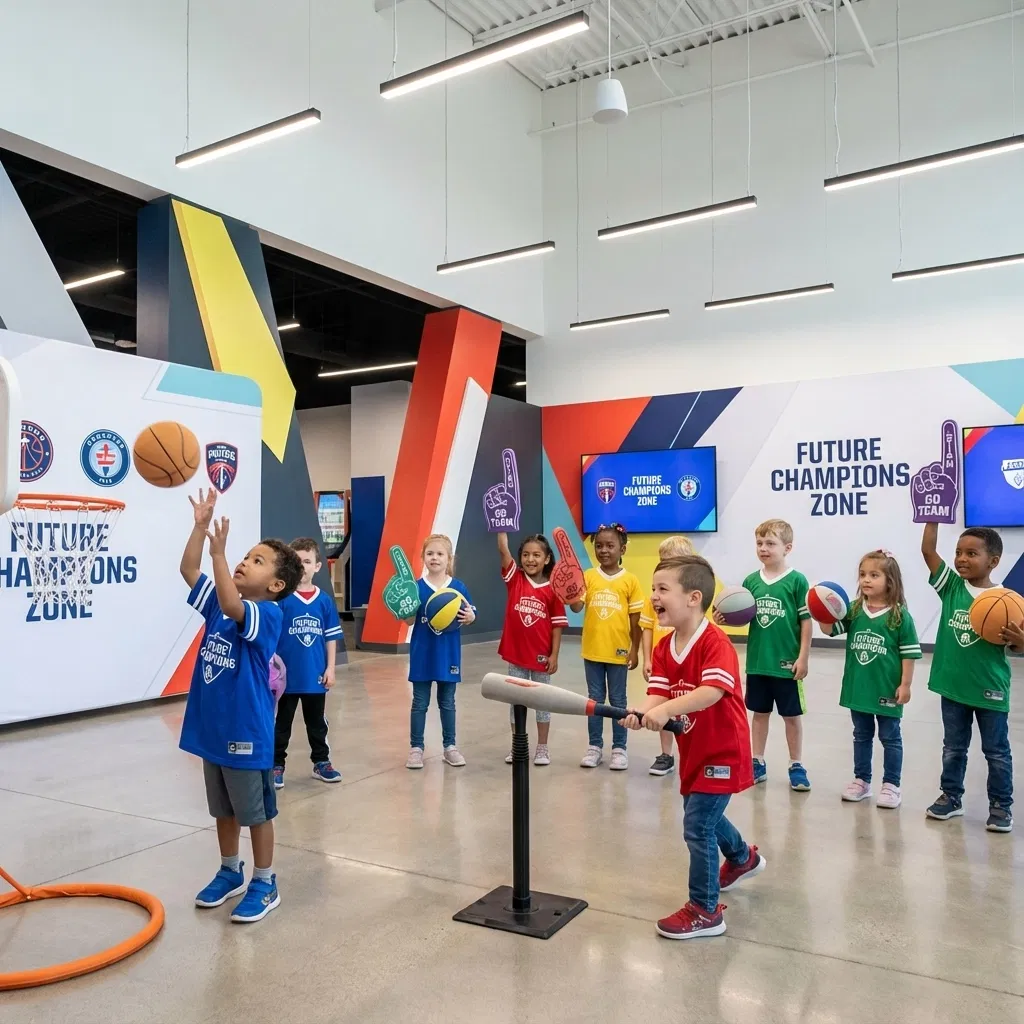
The Sports Media Inc. Kids Publishing Series, Let’s Play/Learn Sports Daily, is designed to help families make sports fundamentals easy, active, and fun. This complete basketball for kids system combines reading, listening, coloring, puzzles, online games, and short videos so children can learn in more than one way.
It is youth sports education with a bounce in its step.

What Is the Basketball Learn-to-Play System?
The system gives young players multiple ways to understand the game and practice what they learn:
- Print book: A colorful introduction to basketball rules, movement, equipment, teamwork, and basic skills.
- Audio book and digital listening option: Helpful for car rides, quiet time, or children who learn best by listening.
- Coloring book: A creative way to revisit basketball scenes, equipment, players, and court vocabulary.
- Puzzle book and activity options: Games, matching activities, challenges, and simple exercises that reinforce learning.
- Online game platform: Interactive play that helps children connect basketball concepts with decision-making.
- YouTube videos: Short, engaging lessons that bring basketball fundamentals to life.
- More learning tools: Parent conversations, practice prompts, school resources, character-based stories, and future digital experiences.
Explore the print basketball book, the basketball audio book option, and the basketball coloring book and activity option.
For more information about Sports Media’s growing youth education platform, visit the Youth Education division.
The Basketball Fundamentals Every Child Should Learn
The goal is not to turn a six-year-old into a full-court strategist overnight. The goal is to help children feel comfortable, confident, and excited to play.
1. Dribbling
Dribbling is the first big “I can do this” moment for many young players.
Start with stationary dribbling. Encourage children to use their fingertips instead of slapping the ball with their palm. Practice with both hands, keep the ball low, and gradually add movement.
Try these simple activities:
- Right-hand dribbles for 30 seconds
- Left-hand dribbles for 30 seconds
- Walking while dribbling
- Dribbling around cones or household markers
- Switching hands at a line or sidewalk crack
The magic phrase is eyes up. Players should learn to see the hoop, teammates, and defenders instead of staring at the basketball like it just revealed a secret.
2. Passing
Basketball is not a one-player magic show. Passing teaches children how to share the ball and help the entire team.
Begin with three basic passes:
- Chest pass: Push the ball from the chest toward a teammate.
- Bounce pass: Aim for one bounce before the ball reaches the receiver.
- Overhead pass: Use two hands above the head for longer passes.
Remind children to step toward the target, pass accurately, and catch with two hands. Partner passing and wall passing are easy to practice at home, in a gym, or outside.
3. Shooting
Young players often believe shooting farther means shooting better. Usually, it means the ball takes a scenic route nowhere near the rim.
Start close to the basket and focus on form. Use the simple BEEF reminder:
- Balance: Feet steady and knees slightly bent
- Eyes: Focus on the rim
- Elbow: Keep the shooting elbow under the ball
- Follow-through: Finish with fingers pointing toward the basket
Practice close-range form shots before moving farther away. Add layups once children understand the basic footwork. Celebrate good technique and effort, not just made baskets.
4. Rebounding
Rebounding teaches timing, body control, and hustle.
When a shot goes up, teach children to:
- Turn and find the ball.
- Locate the other player.
- Box out by getting between the player and the basket.
- Jump with two hands.
- Land balanced and protect the ball.
A rebound is not always the loudest play, but it can change the entire game. It is basketball’s way of rewarding the kid who keeps working after everyone else is watching the rim.
5. Movement and Defense
Basketball players need to move even when they do not have the ball.
Practice:
- Jogging and stopping under control
- Defensive stance
- Side-to-side shuffling
- Changing direction
- Cutting toward open space
- Moving back on defense
Teach children to keep their feet active without crossing them during defensive slides. Keep practices short, safe, and age-appropriate.
6. Court Awareness and Positions
Court awareness means knowing where the basket, teammates, defenders, and open spaces are located.
Use simple language when introducing positions:
- Guards usually handle the ball and play around the perimeter.
- Posts often play closer to the basket.
- Every player should learn to pass, defend, move, and make decisions.
At younger ages, avoid locking children into one position. Let them experience different roles. A child who plays guard today may discover a love for rebounding tomorrow.
7. Teamwork and Sportsmanship
The best basketball lessons often happen away from the scoreboard.
Encourage children to:
- Pass to open teammates
- Communicate on defense
- Give high-fives
- Respect coaches, officials, and opponents
- Shake hands after games
- Celebrate effort
- Respond positively to mistakes
Sportsmanship builds confidence because children learn that one missed shot does not define them. A mistake is simply a basketball-shaped invitation to try again.
A Six-Week Basketball Learning Plan
Use two or three short practices each week when possible. If your schedule only allows one session, simply repeat a week before moving forward.
| Week | Main focus | Practice goals |
|---|---|---|
| 1 | Introduction and movement | Learn basic rules, court areas, dribbling stance, stopping, and close-range shooting |
| 2 | Dribbling and layups | Dribble with both hands, move around cones, change direction, and practice basic layup steps |
| 3 | Passing and teamwork | Practice chest, bounce, and overhead passes, plus simple 2-on-2 or 3-on-3 games |
| 4 | Defense and rebounding | Learn defensive stance, lateral movement, boxing out, jumping, and outlet passes |
| 5 | Court awareness and positions | Practice spacing, guards and posts, finding open teammates, and deciding when to dribble, pass, or shoot |
| 6 | Scrimmage and sportsmanship | Combine skills in a short game while emphasizing communication, effort, confidence, and fair play |
A practical 45-minute session can look like this:
- 5 minutes of warm-up and movement
- 10 minutes of dribbling
- 10 minutes of shooting and layups
- 10 minutes of passing and rebounding
- 10 minutes of a fun mini-game
Short practices keep children engaged. The attention span may be brief, but the energy level is usually championship caliber.
Parent Tips for Teaching Basketball
Parents do not need to be professional coaches to create a positive learning environment.
Keep instructions simple
Give one correction at a time. Try “eyes up,” “bend your knees,” or “follow through.” Five instructions at once can make the basketball look like a complicated science project.
Praise habits, not only baskets
Recognize passing, hustling, listening, encouraging teammates, and trying again. These habits create long-term confidence.
Let children play
Drills matter, but unstructured play matters too. Let children experiment, make mistakes, and invent their own games.
Use multiple learning formats
Some children learn by reading. Others learn by hearing a story, coloring a picture, watching a video, or playing a digital challenge. The complete system helps families keep learning fresh.
Children can watch the Basketball for Kids YouTube playlist and reinforce concepts through the online Sports Media game platform.
Make confidence part of practice
Ask questions such as:
- What did you learn today?
- What felt easier than last time?
- What would you like to practice next?
- How did you help a teammate?
Confidence grows when children feel seen, supported, and free to improve.
A New Way for Brands to Support Youth Sports Education
Sports Media is seeking sponsors and strategic partners for educational games and youth sports learning experiences.
Brands can support the basketball system through:
- Sponsoring a digital basketball challenge
- Funding book donations for schools and libraries
- Providing basketball equipment for community programs
- Supporting free access for youth organizations
- Underwriting YouTube educational episodes
- Creating safe, age-appropriate branded rewards
- Sponsoring family fan zones and youth clinics
- Supporting scholarships, camps, and community events
- Providing healthy snack or hydration partnerships
- Connecting educational content with STEM, movement, and workforce development themes
A branded stadium cup holder is one example of how sports marketing can reach families in a memorable, everyday way. At a live game, a cup holder can carry a sponsor message, team connection, QR code, or family-friendly call to action right at the seat.

That same idea can connect a live sports environment to an educational game, such as a QR code that leads families to a basketball quiz, practice challenge, or free learning resource. Sports Media offers broader stadium and arena advertising solutions for brands that want to support active families and youth sports communities.
Interested in becoming a sponsor? Contact Sports Media to explore partnership opportunities.
Basketball for Kids FAQ
What is the best age to start teaching basketball?
Children can begin learning basic movement, balance, ball handling, and simple game concepts at a young age. Keep activities playful and adjust the ball, hoop, rules, and practice length to the child’s development.
How often should kids practice basketball?
Two or three short sessions per week can build consistency. Even 15 to 30 minutes of focused practice can be productive when children are having fun.
What should kids learn first in basketball?
Start with movement, dribbling, passing, shooting close to the hoop, and basic sportsmanship. Do not worry about advanced plays before children feel comfortable with the ball.
How can parents teach basketball at home?
Use a driveway, backyard, hallway, or safe indoor space for simple dribbling, passing, footwork, and balance games. Reading, audio, coloring, puzzles, videos, and online games can reinforce what children practice physically.
Why use a complete basketball learning system?
A multi-format system supports different learning styles. Children can read a story, hear the lesson, color a scene, solve a puzzle, watch a video, play an online game, and then try the skill on the court.
Basketball is more than shooting hoops. It teaches movement, teamwork, decision-making, confidence, focus, and sportsmanship. With the right tools, parents can help children learn the game one bounce, pass, and high-five at a time.
Affiliate disclosure: Some links in this article are affiliate links. If you make a purchase through an affiliate link, Sports Media Inc. may earn a commission at no additional cost to you.
#KidsSports #YouthSports #SportsBooks #LittlePro #LearnToPlay #SportsEducation #ParentingTips #ActiveKids