

Let's cut to the chase – your dad's stadium advertising playbook isn't working anymore. Those static billboards and generic jumbotron ads that used to rake in sponsorship dollars? Gen Z fans are scrolling right past them, literally.
But here's the plot twist: stadium ads aren't dead. They're just getting a massive glow-up, and the brands that figure this out first are about to dominate the sports marketing game.
The Death of "Set It and Forget It" Stadium Marketing
Remember when slapping your logo on a scoreboard was enough? Those days are over, and Gen Z killed them. This generation, now making up 20% of the U.S. population, doesn't just want to be marketed to – they want to be part of the story.
Traditional static advertising feels as outdated as flip phones to fans who've grown up with TikTok, Instagram Stories, and personalized Netflix recommendations. They can smell inauthentic brand messaging from the cheap seats, and they're not having it.
The old model assumed fans would sit still for three hours and absorb whatever you put in front of them. But Gen Z fans are consuming sports content on their phones during the game, creating their own content, and engaging with athletes directly on social media. They're not passive viewers – they're active participants.
How Gen Z Actually Watches Sports (Spoiler: It's Not How You Think)
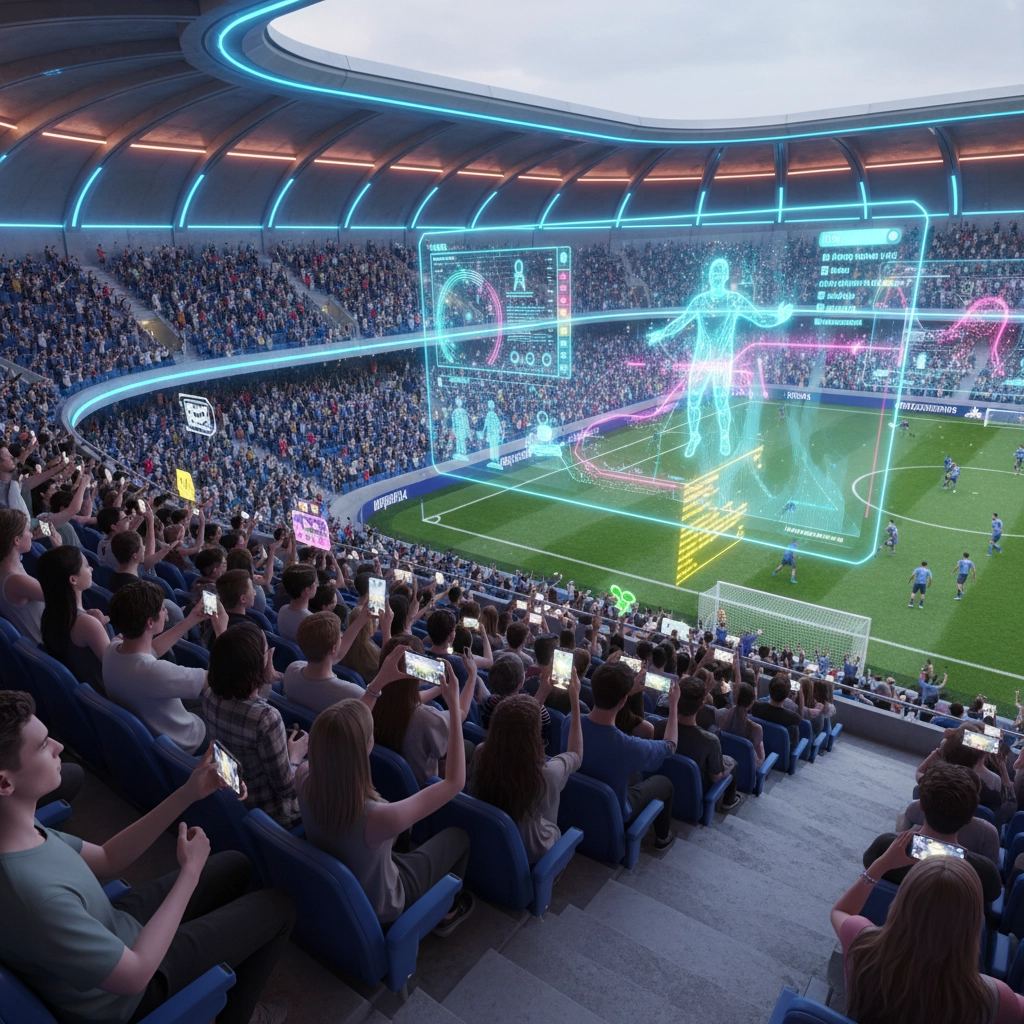
Here's what's really happening in those stadium seats: Gen Z fans are following athletes, not teams or leagues. They're more likely to engage with a behind-the-scenes Instagram story from their favorite player than a branded halftime show.
They consume sports in bite-sized clips on TikTok and Instagram rather than sitting through entire broadcasts. They want authentic, real-time content that feels personal and unfiltered. Think locker room celebrations, warm-up routines, and candid moments that traditional broadcasting never captured.
Most importantly, they're content creators themselves. They're not just watching the game – they're documenting their experience, sharing their take, and building their own personal brand around their sports fandom.
This shift means your stadium advertising needs to work with their behavior, not against it. Static ads interrupt their flow. Interactive, shareable experiences enhance it.
What's Actually Working in 2025
Smart venues are creating Instagram-worthy moments at every turn. We're talking interactive fan zones, VR experiences that let you feel like you're on the field, and photo ops that are designed specifically for social sharing.
FC Barcelona's approach is genius – they share exclusive footage on TikTok that you can't see anywhere else. Behind-the-scenes content, team practices, and casual player interactions that feel authentic and personal. Their 57 million TikTok followers aren't there for polished marketing messages – they're there for real moments.
Formula 1 figured this out too. They share team radio clips and driver interactions that make fans feel like insiders. It's not about the brand – it's about the personalities and stories behind the sport.
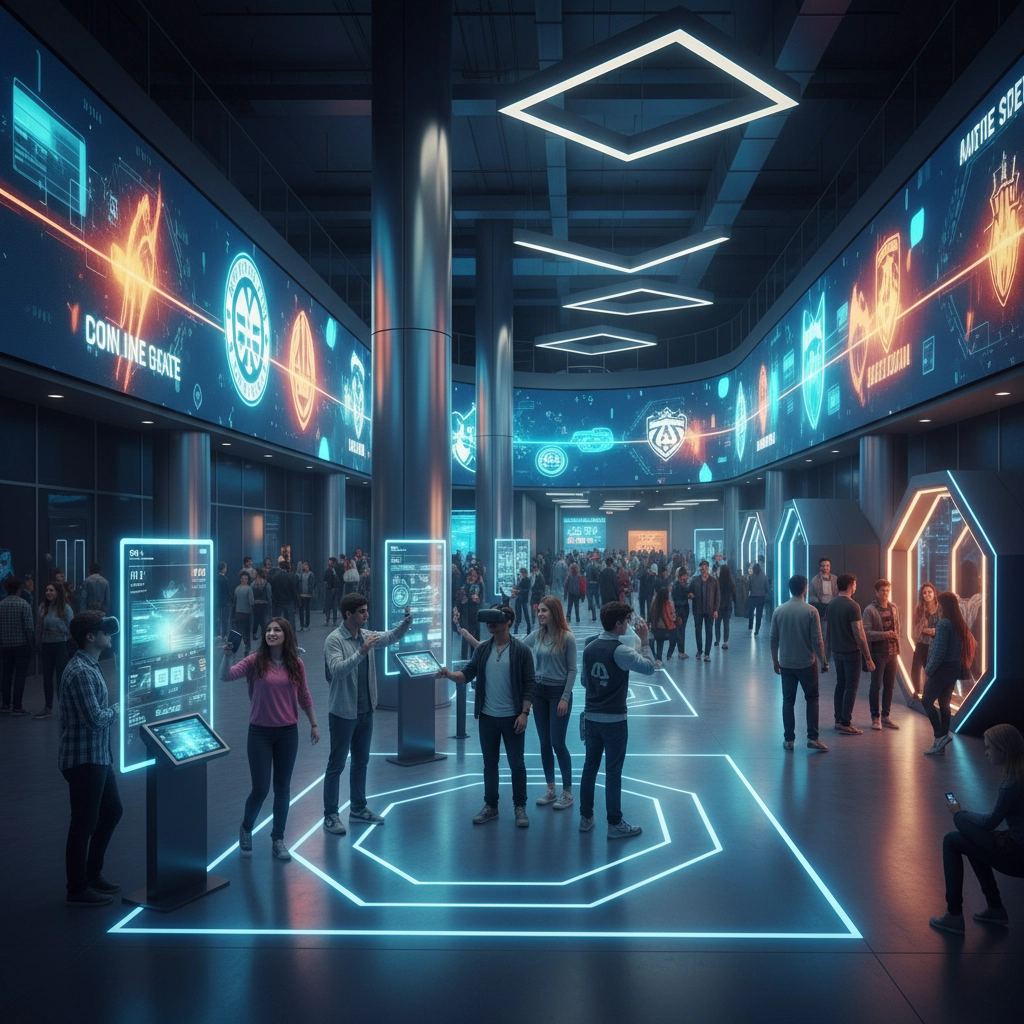
The venues getting this right are using AI to personalize everything. Apps that know your food preferences, seat location, and favorite players can deliver targeted experiences that feel helpful, not invasive. When the jumbotron shows a message specifically for your section or your app suggests the perfect merchandise based on your past purchases, that's advertising that adds value.
The New Playbook: Experiential Over Transactional
Successful sports brands in 2025 are thinking like entertainment companies, not advertisers. They're creating experiences worth documenting and sharing.
Interactive zones are boosting engagement by 40% because they give fans something to do beyond watching. VR simulations, skill challenges, and behind-the-scenes access create emotional connections that drive repeat visits.
Digital integration is huge. Fans can order concessions from their seats, access exclusive content during events, and participate in real-time polls or contests. This isn't just convenient – it creates data points that help brands understand and serve fans better.
The most successful activations blend physical and digital seamlessly. QR codes on stadium signage that unlock exclusive content, AR filters that work with the venue's architecture, and social challenges that encourage fans to explore different areas of the stadium.
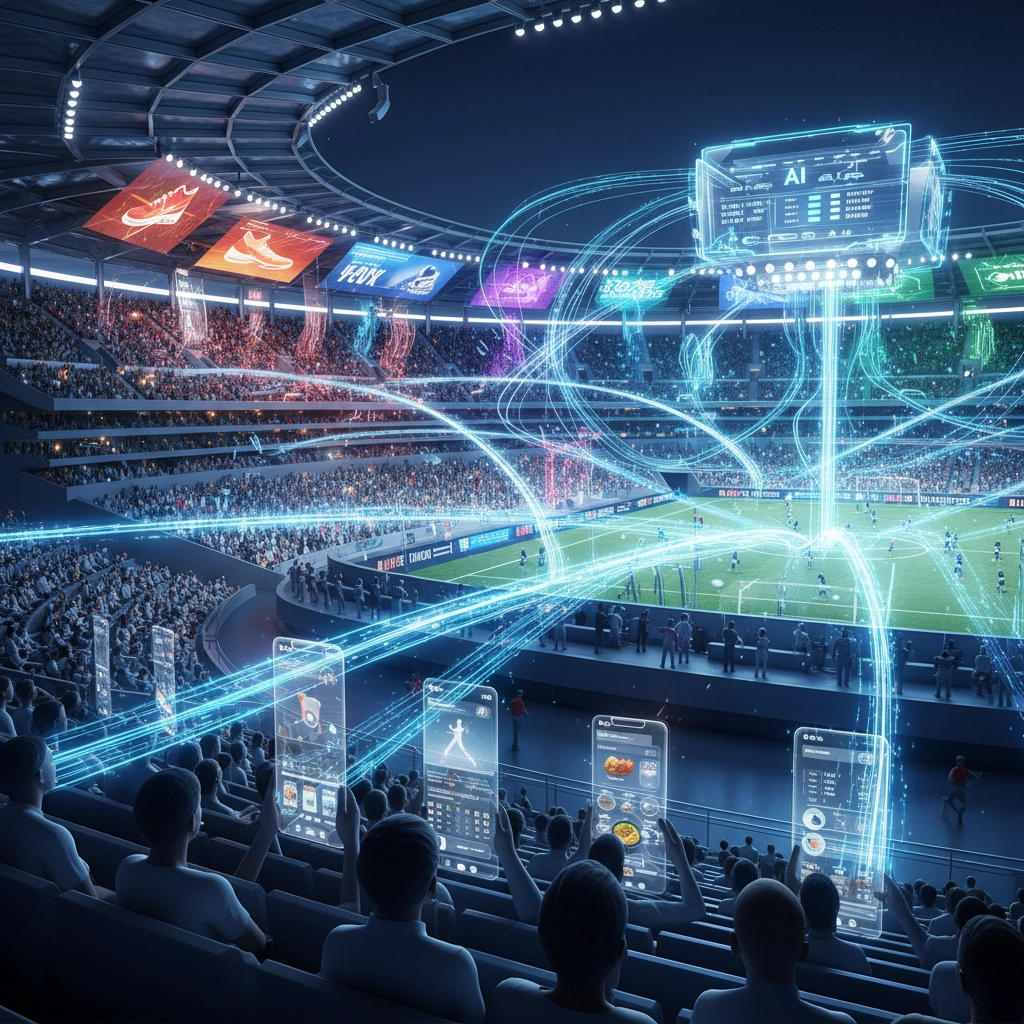
Sustainability messaging is resonating big time with younger fans. Venues that showcase eco-friendly practices see 20% higher sponsorship interest from brands that align with these values. It's not just about looking good – it's about authentically connecting with what Gen Z cares about.
The ROI Reality Check
This new approach isn't just feel-good marketing – it's driving serious results. Venues using these strategies are seeing 25% increases in sponsor ROI, 35% audience expansion through hybrid events, and 40% more merchandise sales on game days.
Premium experiences tied to digital engagement are contributing 25% to total venue revenue. When fans can upgrade their experience through an app, share exclusive content, or access VIP areas, they're willing to pay more.
The data is crystal clear: personalized, interactive advertising outperforms traditional static ads by massive margins. Click-through rates for targeted promotions are up 25% when content changes based on demographics and location within the venue.
Your Action Plan for 2025 and Beyond
First, audit your current stadium presence. If it's all static billboards and generic messaging, you're already behind. Start planning interactive elements that encourage social sharing and genuine engagement.
Second, think mobile-first for everything. Your stadium experience should enhance what fans are already doing on their phones, not compete with it. Create content that's designed to be shared, not just consumed.
Third, partner with athletes and personalities, not just teams or leagues. Gen Z follows people, not properties. Authentic endorsements and behind-the-scenes access will always outperform polished corporate messaging.
Finally, invest in data and personalization technology. The brands winning in sports marketing are using AI and fan data to create experiences that feel custom-built for each individual, not mass-produced for everyone.
The Bottom Line
Stadium ads aren't dead – they're evolving faster than ever. The brands that recognize this shift and adapt their approach will dominate the next decade of sports marketing. The ones that don't will watch their competitors build deeper, more profitable relationships with the fans they thought they knew.
Gen Z isn't anti-advertising – they're anti-irrelevant advertising. Give them experiences worth their attention, and they'll not only engage but amplify your message to their networks. That's not just good marketing – that's the future of sports advertising.
At Sports Media Inc., we're helping brands navigate this new landscape every day. The playbook is changing, but the opportunity has never been bigger.