

Here's the brutal truth about fan engagement: most of it doesn't actually drive sales. Sure, you get likes, shares, and comments, but when it comes to moving the revenue needle? Crickets.
The good news? You can fix this in about 5 minutes of reading and start seeing real results within weeks. Let's dive into the strategies that actually convert fans into paying customers.
The Data-Driven Personalization Game Changer
Stop treating all your fans the same. Seriously, just stop. The most successful sports brands today are using behavioral segmentation to create personalized experiences that feel authentic, not creepy.
Take the San Jose Sharks – they increased season ticket renewals from 71% to 87% by ditching generic mass emails and focusing on personalized campaigns based on actual fan behavior. Their targeted campaigns achieved 75% open rates and 28% click rates. That's not luck, that's strategy.
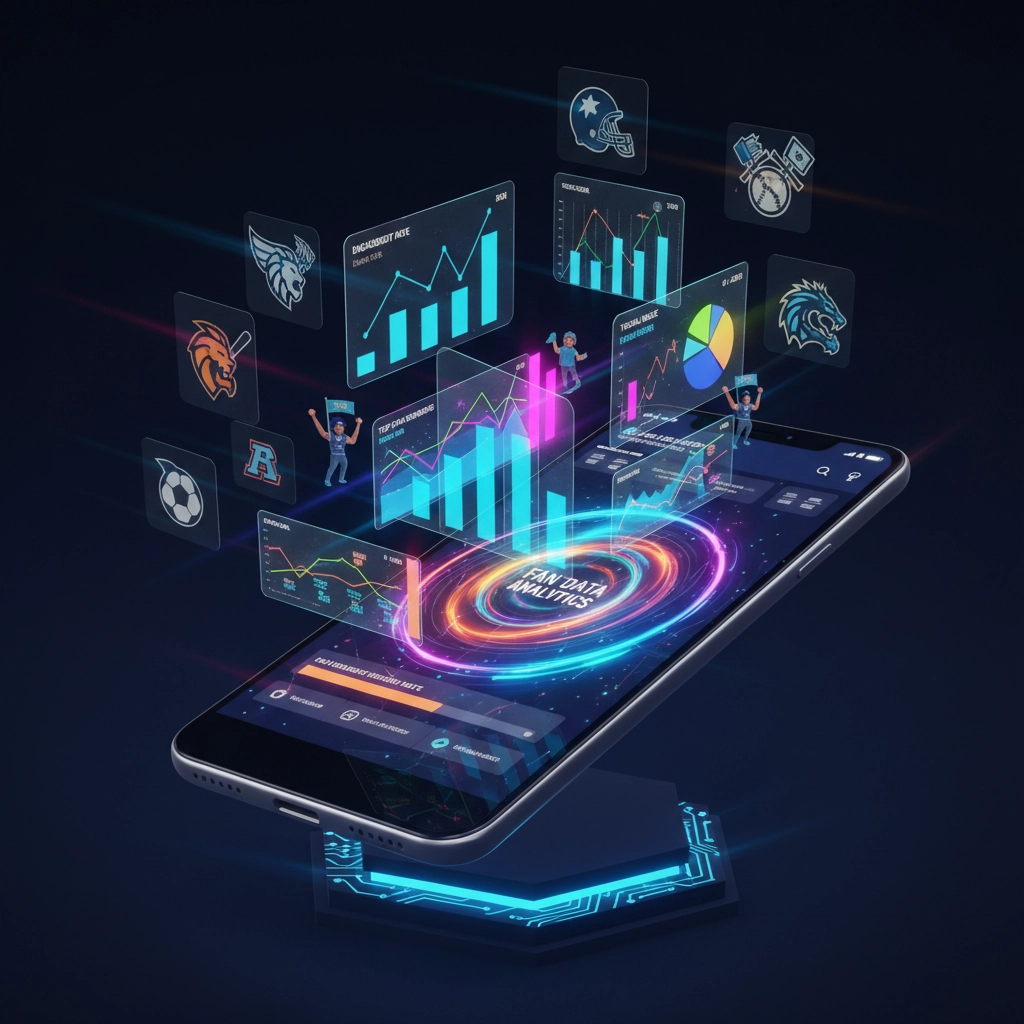
Here's how to implement this immediately:
Win-Back Campaigns: When season ticket holders miss consecutive games, trigger automated emails with exclusive offers. Not generic "we miss you" messages, but specific deals like friends-and-family discounts that create urgency and value.
Geotargeted Promotions: Use location data to send merchandise offers when fans are near your venue or team store. A simple "You're 2 blocks away – show this message for 20% off team gear" can turn foot traffic into sales.
Purchase History Triggers: If someone buys a jersey, follow up with complementary items like hats or accessories. If they buy tickets to one game, suggest similar matchups they might enjoy.
The key is consolidating data from all touchpoints – ticketing systems, retail platforms, mobile apps, and email engagement – into one unified view of each fan.
Gamification That Actually Converts
Gamification works, but only when it's designed with clear purchasing pathways. Most brands create games that engage but don't sell. Don't make that mistake.
Major League Baseball's "Beat the Streak" game is brilliant because it keeps fans opening their app daily (to make predictions), which means constant exposure to ticket and merchandise promotions. The game itself doesn't directly sell, but the daily engagement creates multiple sales opportunities.
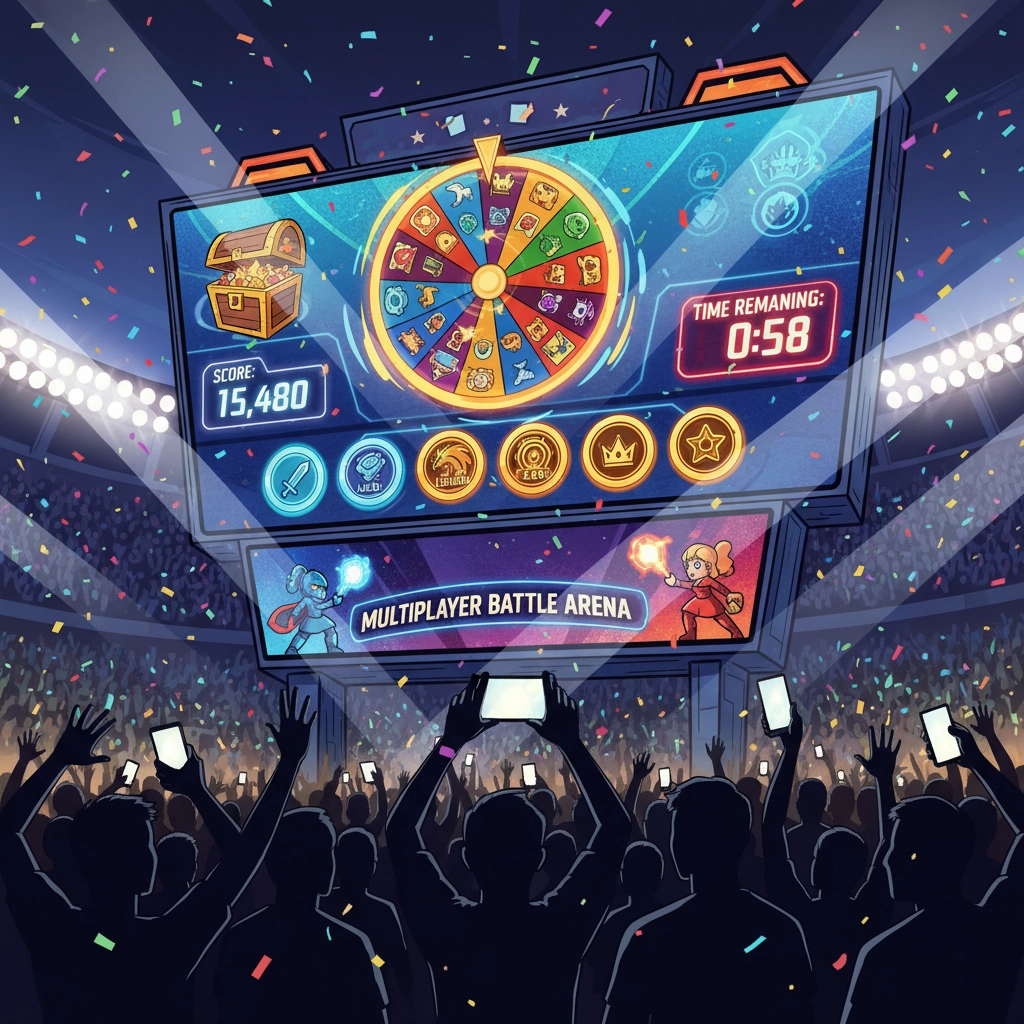
Revenue-driving gamification tactics you can start today:
Contest Integration: Run photo contests where fans must show off team gear or share game-day experiences. Require a recent purchase receipt for entry – this rewards existing customers and drives new sales.
Achievement Rewards: Create app-based challenges that unlock merchandise discounts. "Check in at 5 games this season = 30% off team store" gives fans a reason to attend more games and spend more money.
Prediction Games: Let fans predict game outcomes, player stats, or season milestones. Winners get exclusive merchandise or early access to ticket sales. This builds excitement while creating natural selling moments.
The Marvel Insider program nails this approach by rewarding fans for engagement activities like watching videos and taking quizzes, which they can redeem for exclusive merchandise. It's engagement that directly feeds the sales funnel.
Loyalty Programs That Drive Revenue
Your most engaged fans are your highest-intent buyers. This makes loyalty programs incredibly effective for sales conversion when done right. The key is making sure every engagement activity has a clear path to purchase.
Action-Based Rewards: Give points for social media shares, app check-ins, email opens, and content consumption. But here's the crucial part – make redemption options focused on driving additional purchases, not just giving stuff away.
Exclusive Access: Early ticket sales for loyalty members aren't just a nice perk – they're a revenue accelerator. Fans will join your program specifically for first dibs on playoff tickets or special events.
Tiered Benefits: Create escalating rewards that encourage increased spending. Bronze members get 10% off merchandise, Gold members get 15% plus free shipping, Platinum members get 20% plus exclusive items. This naturally drives fans to spend more to reach higher tiers.
Social Media That Actually Sells
Social media engagement drives sales most effectively when it creates scarcity and community around purchasing opportunities. User-generated content is pure gold here – 93% of marketers report that customers trust peer-created content more than brand messages.
Hashtag Campaigns Tied to Products: Instead of generic hashtags, create campaigns around product launches or ticket releases. #MyTeamGear encourages fans to show off purchases while exposing their networks to your merchandise.
Behind-the-Scenes Content: Share locker room footage, player interviews, or practice sessions right before announcing ticket sales or merchandise drops. The emotional connection makes fans more likely to purchase immediately when given the opportunity.
Fan-Generated Content Contests: Encourage fans to create content showcasing your products in authentic settings. This provides social proof while keeping your brand visible to extended networks.
Scarcity Marketing: Use social media to highlight limited-time offers, exclusive items, or nearly sold-out events. "Only 200 tickets left" or "Limited edition jerseys – 48 hours only" creates urgency that drives immediate action.
The 4-Week Quick Implementation Framework
Week 1 – Data Foundation: Audit and consolidate your fan data across all platforms. Identify your highest-value customer segments and recent purchasing patterns. Set up basic behavioral triggers in your email platform.
Week 2 – Gamification Launch: Start simple with one contest or quiz tied directly to a purchasing opportunity. Track engagement and conversion rates to optimize for Week 3.
Week 3 – Personalized Campaigns: Launch targeted email campaigns based on fan behavior. Focus on win-back campaigns for inactive customers and loyalty rewards for engaged fans.
Week 4 – Exclusive Offers: Create VIP access opportunities for your most engaged fans. Use scarcity and early access as motivators for both immediate sales and increased engagement.
The Revenue Connection
The difference between engagement that entertains and engagement that converts comes down to one thing: intentional design. Every piece of content, every game, every social media post should have a clear connection to your revenue goals.
This doesn't mean being pushy or sales-y. It means creating experiences that naturally guide fans toward purchasing decisions while making them feel valued and connected to your brand.
Track these key metrics to measure success:
- Engagement-to-conversion rates by content type
- Average order value from engaged vs. non-engaged fans
- Customer lifetime value by engagement level
- Return on investment for each engagement strategy
The most successful sports brands understand that fan engagement isn't just about building community – it's about building a community that actively supports the business through purchases, renewals, and referrals.
Start with one strategy from this guide and implement it this week. Focus on understanding your fans' behavior patterns, then design experiences that serve both their interests and your revenue goals. When done right, fans won't feel sold to – they'll feel like they're part of something special that they want to invest in.
Your engaged fans are already telling you they care about your brand. Now give them meaningful ways to show that support through their wallets.