

Listen up, sports marketers! If you're still throwing six-figure checks at major stadium naming rights and prime-time commercial slots, you're playing the game all wrong. There's a smarter way to get your brand in front of passionate sports fans without breaking the bank – and it's called implied sponsorship.
What Exactly Is Implied Sponsorship?
Think of implied sponsorship as the ninja approach to sports marketing. Instead of slapping your logo on every available surface and shouting "LOOK AT US!" from the rooftops, you're creating subtle, organic brand associations that feel natural to fans.
Traditional sponsorship is like wearing a bright yellow highlighter vest at a black-tie event. Everyone sees you, but nobody wants to talk to you. Implied sponsorship? That's showing up in a perfectly tailored suit that makes people ask, "Who are you wearing?"
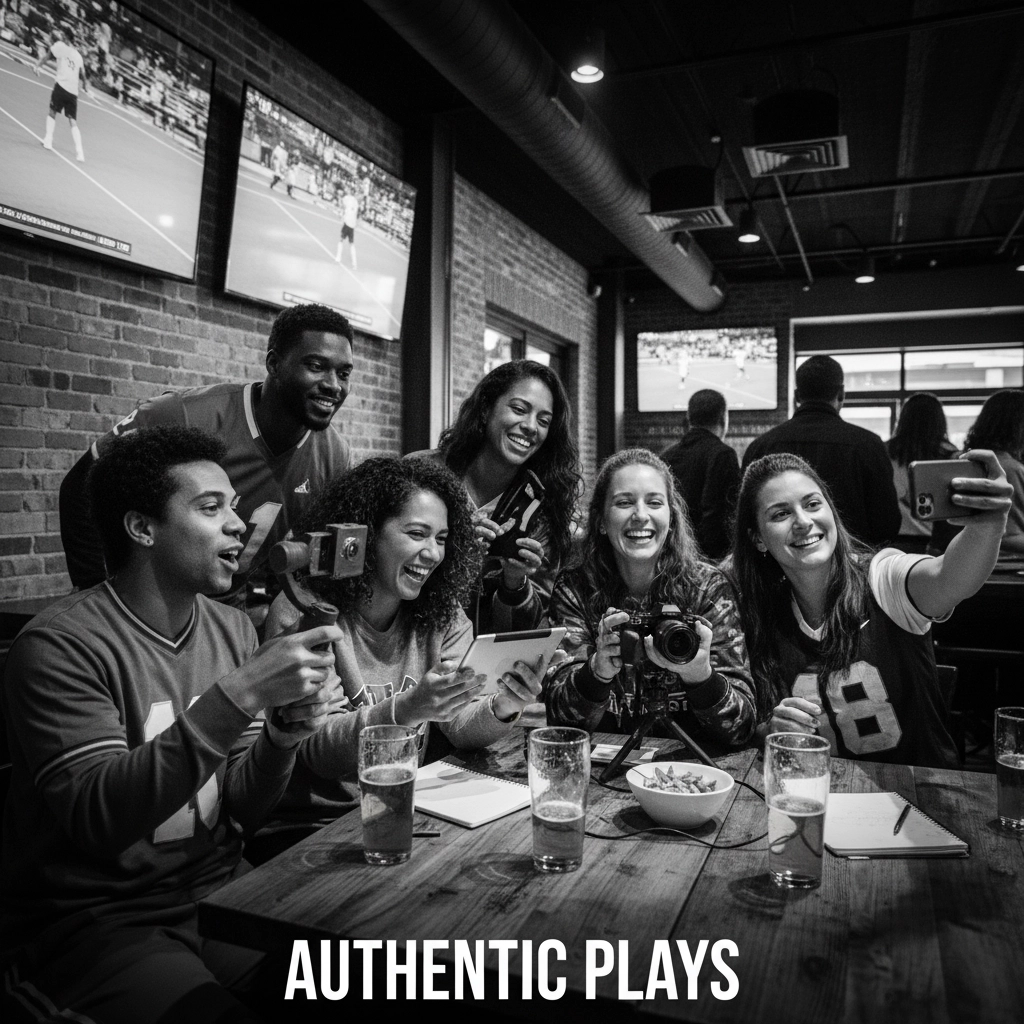
The magic happens through indirect brand integration. You're not the official sponsor of the Super Bowl, but you're the brand that consistently shows up at local sports bars during game day, supporting community viewing parties, or partnering with up-and-coming sports podcasters who genuinely love what you do.

The 90% Cost Reduction Breakdown
Here's where the numbers get exciting. While major brands drop $5-10 million on Super Bowl sponsorships, implied sponsorship strategies can deliver similar brand awareness and engagement for under $500,000 annually.
Traditional Sports Sponsorship Costs:
- Stadium naming rights: $2-20 million annually
- Jersey sponsorships (major leagues): $8-25 million per season
- Event title sponsorship: $1-15 million per event
- Prime TV commercial spots: $200,000-$7 million per 30-second slot
Implied Sponsorship Investment:
- Micro-influencer partnerships: $500-$5,000 per campaign
- Local event support: $1,000-$25,000 per event
- Content creator collaborations: $2,000-$15,000 per partnership
- Community sports team support: $500-$10,000 per team
The math is simple. Instead of one massive check to one major property, you're spreading smaller investments across multiple touchpoints that collectively reach the same audience size.
Strategy #1: The Micro-Influencer Sports Network
Forget chasing athletes with millions of followers. The real goldmine is working with sports content creators who have 10,000-100,000 highly engaged followers. These creators have something big-name athletes don't – authentic connections with their audience.
A local sports blogger with 25,000 followers who covers your city's hockey team will generate more genuine brand interest than a $2 million celebrity endorsement. Why? Because their audience trusts them. They're not obviously "sponsored content" – they're authentic recommendations from someone fans respect.
Start building relationships with:
- Local sports podcasters
- Youth league coaches with social followings
- Former college athletes turned content creators
- Sports bar owners who influence their community
- Fantasy football league commissioners
Strategy #2: Organic Event Integration
Instead of paying $500,000 to be the "official water sponsor" of a major tournament, spend $50,000 supporting 20 smaller community sports events throughout the year. Your brand becomes associated with grassroots sports culture, building deeper emotional connections.
Examples of organic integration:
- Providing equipment for high school championship games
- Sponsoring post-game meals for youth tournament teams
- Supporting sports scholarships for local student-athletes
- Hosting viewing parties for major games at community centers
The key is showing up consistently where sports fans gather, not just during the biggest moments when everyone's competing for attention.
Strategy #3: Behind-the-Scenes Partnerships
Some of the most effective implied sponsorships happen completely behind the scenes. These partnerships create authentic brand advocacy without feeling like advertising.
Partner with equipment managers, trainers, nutritionists, and other support staff who work directly with athletes. When a trainer mentions your recovery supplement to their clients, or when an equipment manager recommends your gear, that carries more weight than any paid advertisement.
Behind-the-scenes opportunities:
- Training facility partnerships
- Sports medicine clinic collaborations
- Equipment supplier relationships
- Nutritionist and dietitian partnerships
- Sports psychology service integrations

The Psychology Behind Implied Sponsorship Success
Traditional advertising triggers consumer defense mechanisms. We know we're being sold to, so we naturally become skeptical. Implied sponsorship bypasses these defenses by creating positive brand experiences that feel organic and valuable.
When fans discover your brand through genuine community involvement or authentic influencer partnerships, they don't feel marketed to – they feel like they've found something special. This emotional connection translates into higher brand loyalty, better word-of-mouth marketing, and stronger customer lifetime value.
Sports fans are particularly responsive to authenticity. They can spot fake enthusiasm from a mile away, but they'll passionately support brands that genuinely care about their sports community.
Measuring Implied Sponsorship ROI
The beauty of implied sponsorship lies in its measurable impact. Unlike traditional sponsorships that rely on vague "brand impression" metrics, implied sponsorship generates trackable engagement and conversions.
Key metrics to track:
- Social media engagement rates from partner content
- Website traffic from influencer partnerships
- Community event attendance and participation
- Brand mention sentiment analysis
- Customer acquisition cost from different channels
- Sales attribution from partnership activities
Use unique tracking codes, custom landing pages, and partner-specific discount codes to measure exactly which implied sponsorship activities drive real business results.

Getting Started: Your 30-Day Implied Sponsorship Launch Plan
Week 1: Research and Identify
- Map out your local sports ecosystem
- Identify 50 potential micro-influencer partners
- Research community sports events and organizations
- Analyze competitor implied sponsorship activities
Week 2: Initial Outreach
- Contact 15 micro-influencers with personalized partnership proposals
- Reach out to 10 local sports event organizers
- Connect with 5 sports-adjacent service providers
- Begin building relationships through authentic engagement
Week 3: Partnership Development
- Negotiate terms with interested partners
- Create partnership guidelines and content standards
- Develop tracking systems and success metrics
- Launch first pilot partnerships
Week 4: Execute and Optimize
- Monitor early partnership performance
- Gather feedback from partners and audiences
- Adjust strategies based on initial results
- Scale successful partnerships and pause underperforming ones
Common Implied Sponsorship Mistakes to Avoid
Mistake #1: Choosing Quantity Over Quality
Don't spread yourself too thin. Five authentic partnerships will outperform 50 superficial ones.
Mistake #2: Controlling the Message Too Much
Let your partners speak in their authentic voice. Over-scripted content kills the organic feel that makes implied sponsorship effective.
Mistake #3: Ignoring Long-Term Relationship Building
Implied sponsorship is about building genuine relationships, not quick transactional exchanges. Invest in partners who align with your brand values long-term.
Mistake #4: Forgetting to Track Results
Without proper measurement, you can't optimize your strategy or justify continued investment.
The Future of Sports Marketing Is Authentic
As consumers become increasingly skeptical of traditional advertising, implied sponsorship represents the future of effective sports marketing. It's cost-effective, measurable, and builds genuine brand equity through authentic community connections.
The brands winning in sports marketing aren't necessarily the ones with the biggest budgets – they're the ones building the most authentic relationships with sports communities. Start small, be genuine, and watch your brand become an organic part of the sports conversations that matter most to your target audience.
Ready to revolutionize your sports marketing strategy? The game has changed, and implied sponsorship is your winning playbook.