

Picture this: You're sitting in the marketing director's office, staring at two completely different proposals for your stadium's next big advertising push. On one side, there's a sleek digital display system promising dynamic content and real-time engagement. On the other, custom-branded cup holders offering intimate fan interaction for a fraction of the cost.
Both options promise to boost your ROI, but which one actually delivers? Let's dive into the numbers, the fan experience, and the long-term strategy to find out which investment will score the biggest wins for your sports marketing budget.
The Digital Display Revolution: High-Tech, High-Impact Marketing
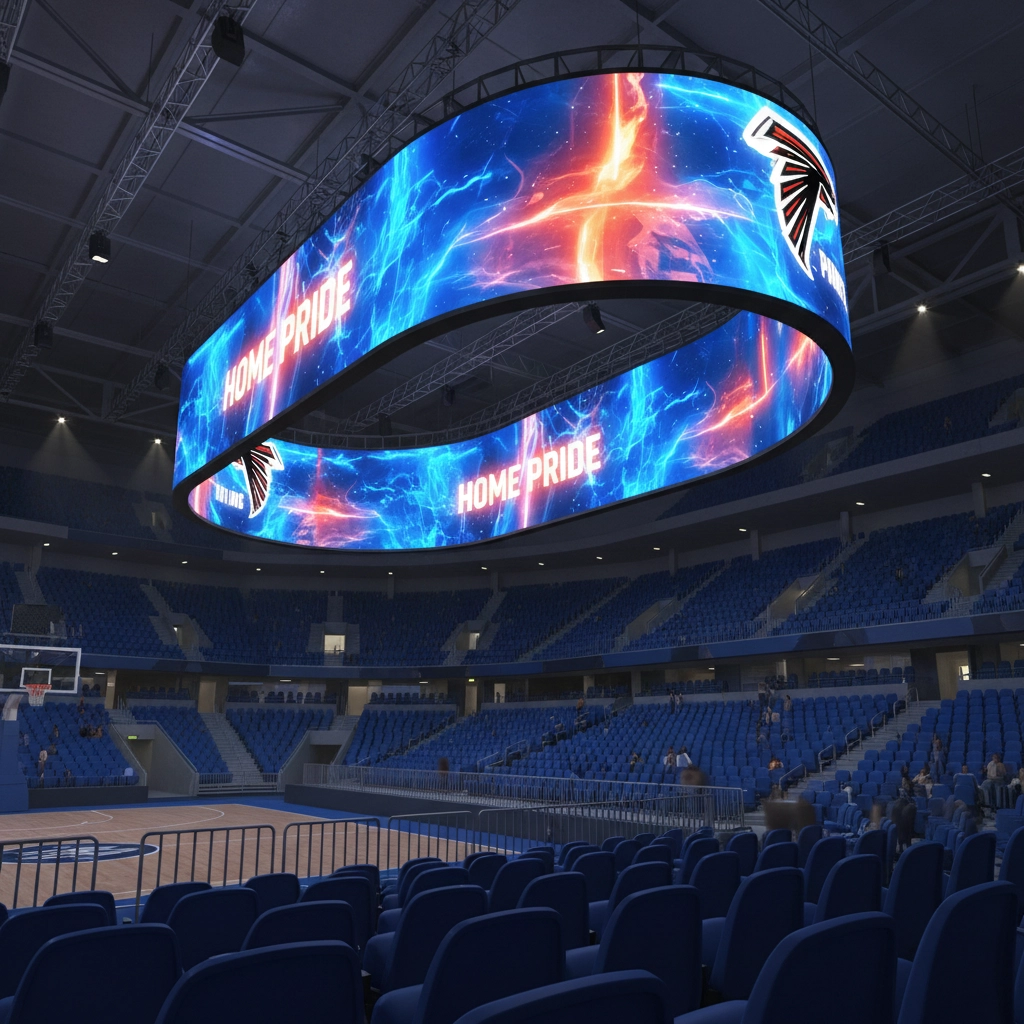
Digital displays have completely transformed how sports venues connect with their audiences. We're talking about everything from massive LED scoreboards to interactive concourse kiosks that can pivot from showing live stats to promoting the latest jersey sale in real-time.
The Revenue Generation Machine
Here's where digital displays really shine – they're not just advertising tools, they're revenue generators. A well-placed digital display system can pull in multiple income streams simultaneously. You've got sponsored advertising slots, dynamic sponsorship rotations, and even direct e-commerce integration where fans can buy merchandise or concessions right from the screen.
The ROI numbers are pretty impressive too. Some venues report campaign returns of 650% or higher when digital displays are properly integrated with targeted content strategies. That's because these systems can serve thousands of viewers per display while collecting real-time engagement metrics that traditional advertising simply can't match.
Dynamic Content That Adapts to the Moment
What makes digital displays so powerful is their ability to change messaging based on what's happening right now. During a timeout, you can showcase a sponsor's product. When your team scores, instantly rotate to celebratory content that includes partner branding. Between innings, display wayfinding information that includes subtle advertising for concourse vendors.
This flexibility means you can maximize every second of fan attention. No dead air, no static messaging that becomes background noise after the first quarter. Every moment is an opportunity for targeted engagement that drives measurable results.
Cup Holders: The Underrated Intimacy Champion
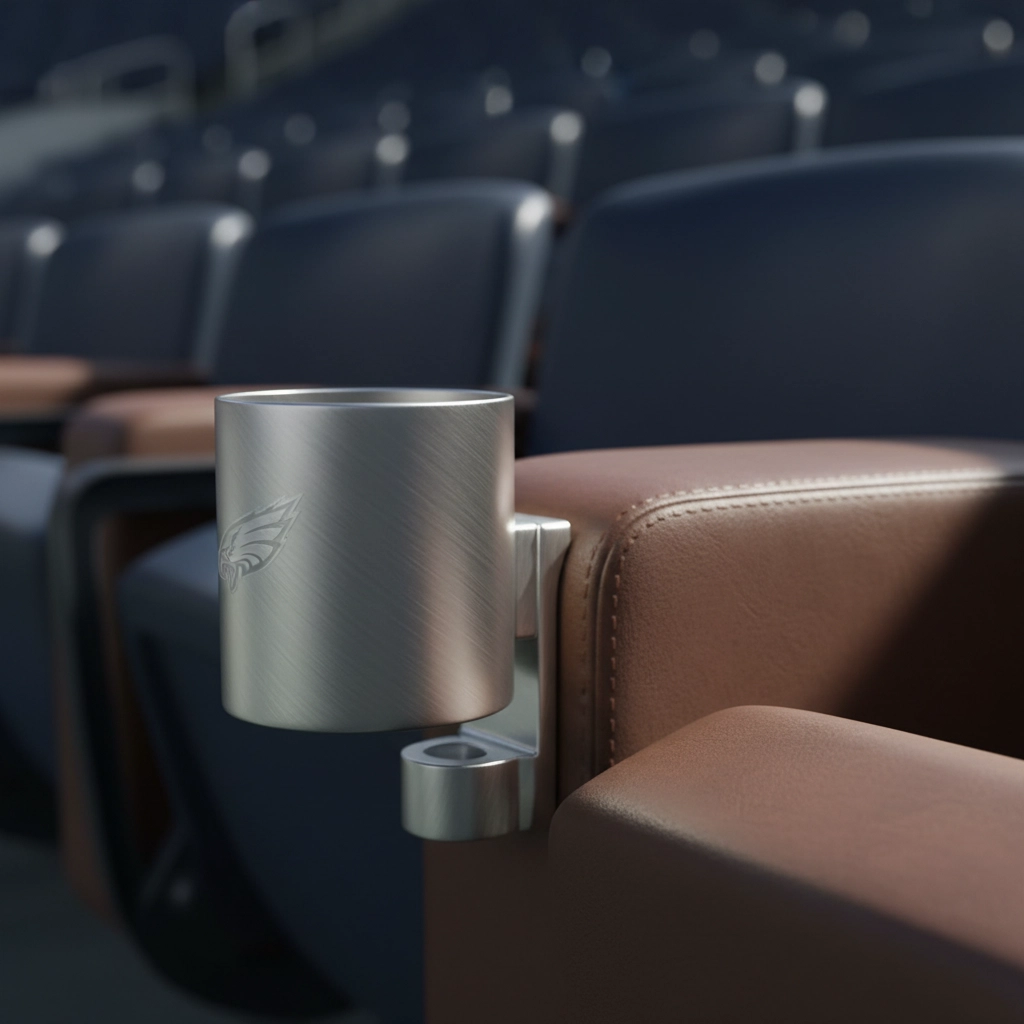
Now, before you write off cup holders as old-school marketing, let's talk about what they actually deliver. These aren't just functional stadium fixtures – they're personal brand ambassadors that fans interact with for the entire duration of the game.
The Power of Physical Connection
There's something uniquely powerful about physical brand interaction. When a fan places their drink in a branded cup holder, they're engaging with your sponsor's message in a way that digital displays simply can't replicate. It's tactile, it's personal, and it lasts for the full 2-3 hours of game time.
This extended exposure is particularly valuable in premium seating areas where you're targeting higher-value demographics. A well-designed cup holder in a luxury suite creates brand impression that extends far beyond the digital noise competing for attention throughout the venue.
Budget-Friendly Brand Building
Here's where cup holders really win – cost efficiency. While a comprehensive digital display system can run anywhere from $50,000 to $500,000 depending on scale and technology, custom cup holders for an entire section might cost less than $10,000. For smaller venues or brands working with limited budgets, this represents an accessible entry point into stadium marketing.
The lower investment also means faster payback periods. A single season sponsorship deal can often cover the entire cost of implementation, making it an attractive option for local businesses or regional brands testing stadium marketing effectiveness.
The Head-to-Head ROI Breakdown
Let's get into the numbers that really matter – return on investment across different scenarios.
Digital Displays: The Revenue Multiplier
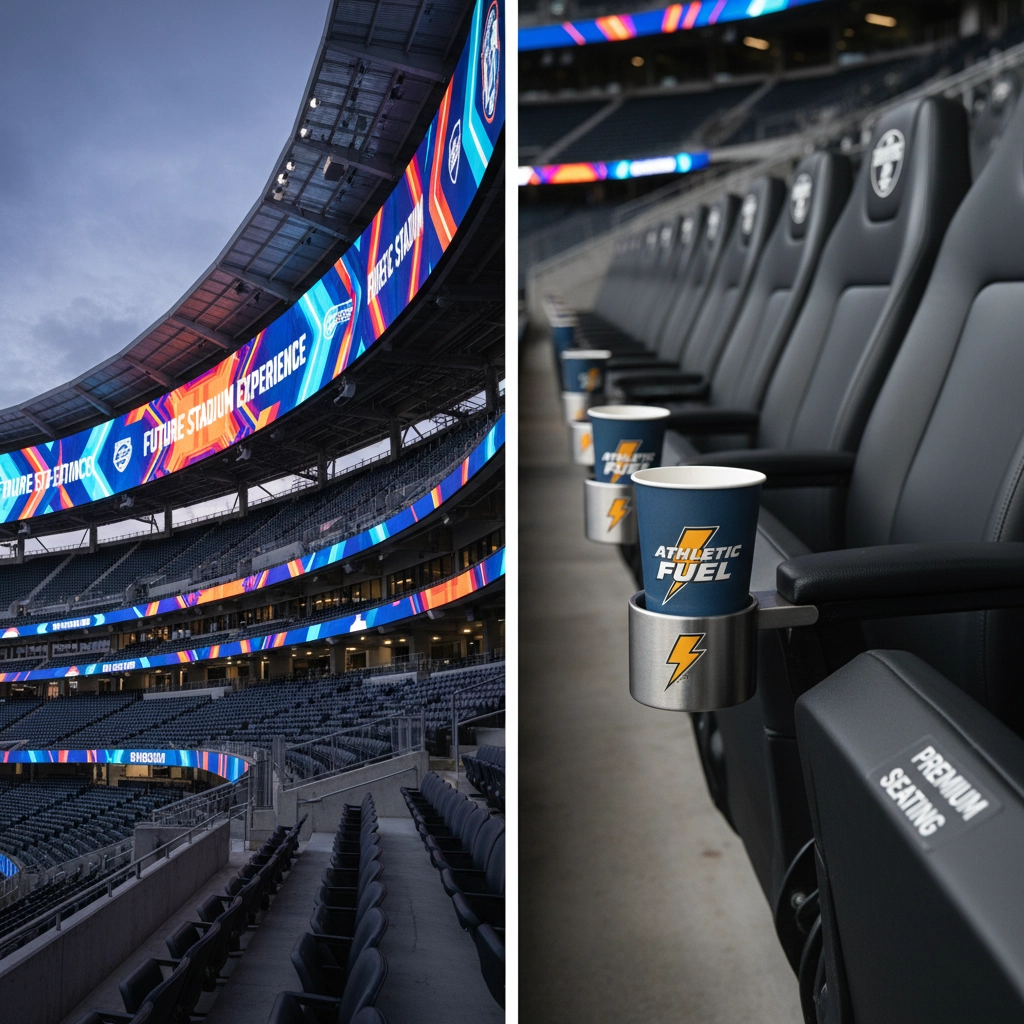
Digital displays excel in venues with high attendance and multiple events. A stadium hosting 20+ events annually can leverage digital systems across football games, concerts, community events, and corporate functions. The ability to rotate sponsors and adjust pricing based on event type maximizes revenue potential.
The measurement capabilities are also superior. You can track dwell time, engagement rates, conversion metrics, and even integrate with mobile apps to measure post-event purchase behavior. This data becomes invaluable for justifying rate increases and demonstrating clear ROI to sponsors.
Cup Holders: The Consistency Play
Cup holders deliver predictable, consistent exposure without technical dependencies. There's no risk of system failure during peak moments, no ongoing content management costs, and no need for technical support staff. For sponsors seeking guaranteed brand visibility, this reliability factor often justifies the investment.
The per-impression cost can actually be quite competitive. In a 50,000-seat stadium with 10 home games, branded cup holders in premium sections might reach 5,000 high-value fans per game at a cost-per-impression that rivals digital advertising rates.
Strategic Implementation: When to Choose What
Go Digital When:
- Your venue hosts multiple types of events requiring different messaging
- You need detailed analytics and measurable conversion data
- Multiple sponsors require rotation capabilities
- Fan engagement and experience enhancement are key priorities
- Budget allows for substantial upfront investment and ongoing maintenance
Choose Cup Holders When:
- Working with limited marketing budgets
- Targeting specific demographics in premium seating areas
- Brand message is consistent and doesn't require frequent updates
- Seeking guaranteed exposure without technical risk
- Complementing existing digital investments for comprehensive coverage
The Hybrid Approach: Best of Both Worlds
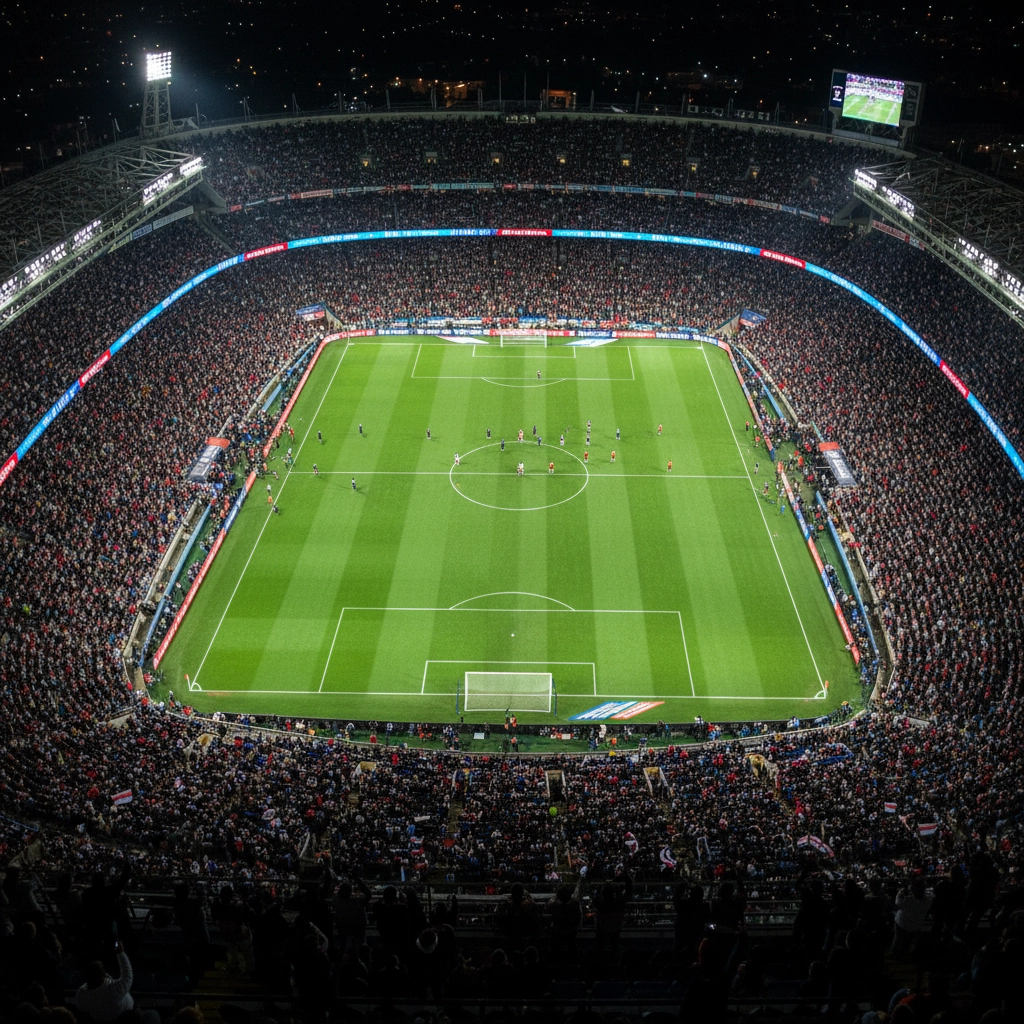
Here's the strategy that many successful venues are implementing – don't choose one over the other. Use them together strategically.
Digital displays handle the heavy lifting for dynamic content, multiple sponsor rotations, and broad audience engagement. Meanwhile, branded cup holders in premium sections create intimate brand connections with your highest-value fans. This approach maximizes both reach and engagement while optimizing ROI across different investment levels.
For example, a regional brewery might invest in digital display slots during general admission messaging while also branding cup holders in club-level seating. This creates both mass awareness and premium brand association, amplifying overall campaign effectiveness.
Making the Investment Decision
The choice between digital displays and cup holders ultimately comes down to your specific goals, budget, and venue characteristics. Digital displays represent the superior long-term investment for venues serious about maximizing marketing revenue and fan engagement. The technology continues advancing, offering new capabilities and revenue opportunities that static solutions simply can't match.
However, cup holders remain valuable for targeted branding efforts, budget-conscious strategies, and situations where guaranteed exposure without technical risk is the priority.

The most successful sports marketing strategies recognize that fan engagement happens at multiple touchpoints throughout the venue experience. Whether that's through dynamic digital content that responds to game momentum or subtle brand reinforcement through premium seating amenities, the key is creating cohesive experiences that drive measurable results.
Consider your venue size, event frequency, target demographics, and long-term marketing goals. Then invest in the solution that best aligns with your strategy for building lasting fan and sponsor relationships. The ROI will follow when you match the right tool to the right marketing objective.