

Sports venues are goldmines for advertisers. Passionate fans, captive audiences, and high-energy environments create the perfect storm for memorable brand experiences. But here's the thing – most brands are completely botching their digital out-of-home (DOOH) sports advertising campaigns.
You've probably seen it yourself: boring static ads during timeouts, cluttered displays that nobody can read from more than five feet away, or generic messaging that feels totally out of place in a sports environment. These mistakes aren't just annoying – they're expensive.
The good news? These problems are totally fixable. Let's dive into the seven biggest mistakes brands make with sports DOOH advertising and how you can avoid them.
Mistake #1: Timing Your Ads for Dead Moments
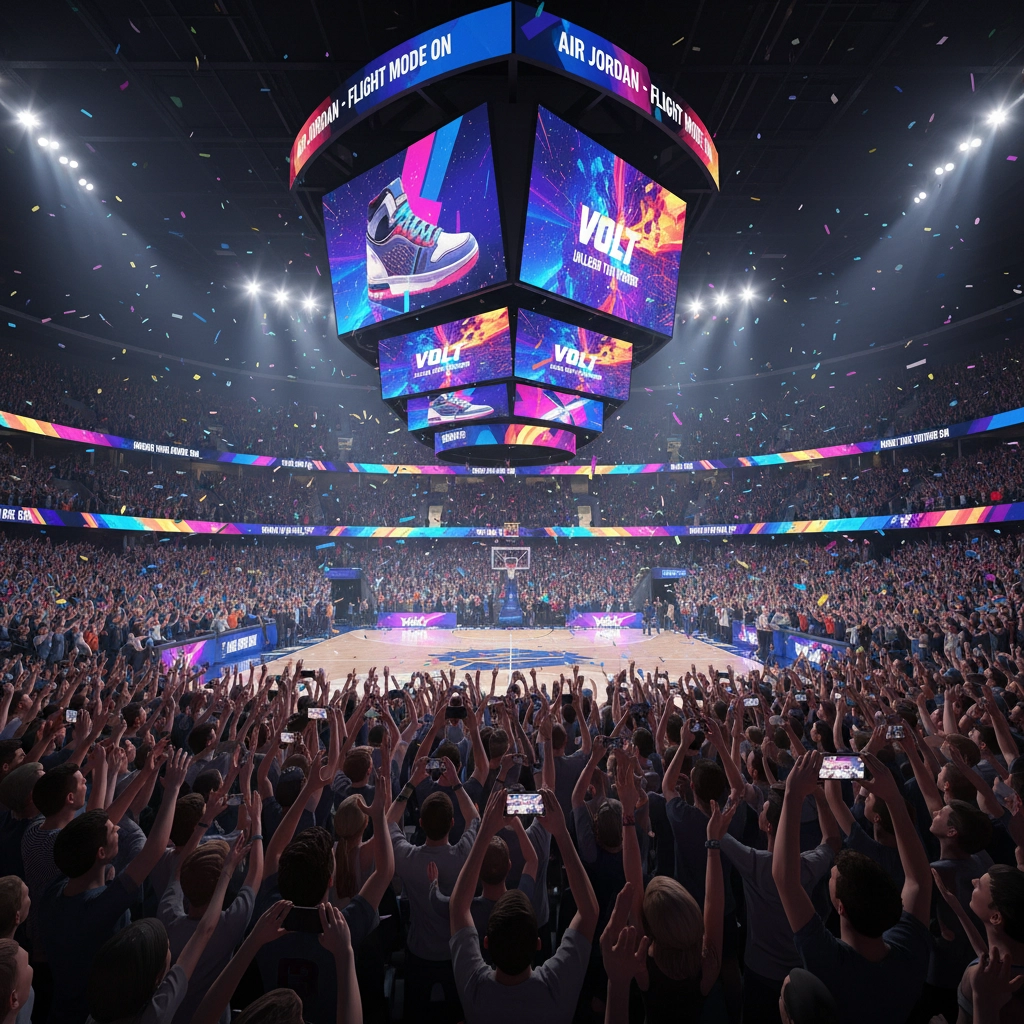
Picture this: You've spent thousands on a prime digital display at a major stadium, but your ad runs during the most boring moments of the game. Fans are either focused intensely on the action or completely zoned out during commercial breaks.
Most DOOH campaigns in sports venues operate during these passive moments rather than capitalizing on peak emotional engagement. When fans are rushing to find their seats or standing in long concession lines, they're not in the right mindset to absorb your brand message.
The Fix: Time your activations around high-energy moments. Run ads during halftime when fans are relaxed and social, during pre-game excitement when anticipation is building, or right after big plays when emotions are running high. These are the moments when your message will actually stick.
Mistake #2: Creating Ads That Require a PhD to Read
Sports fans move fast. They're grabbing beers, heading to bathrooms, or rushing back to their seats. Yet too many brands create DOOH ads packed with tiny text, multiple messages, and complex graphics that would take a full minute to process.
In sports environments, you have maybe 2-3 seconds to make an impact. If your ad requires fans to slow down and squint to read it, you've already lost.
The Fix: Keep your message to six words or less. Use bold, high-contrast fonts that are readable from 50+ feet away. Think highway billboard, not newspaper article. One clear message, one strong visual, and your logo. That's it.
Mistake #3: Blowing Your Budget on Premium Markets First
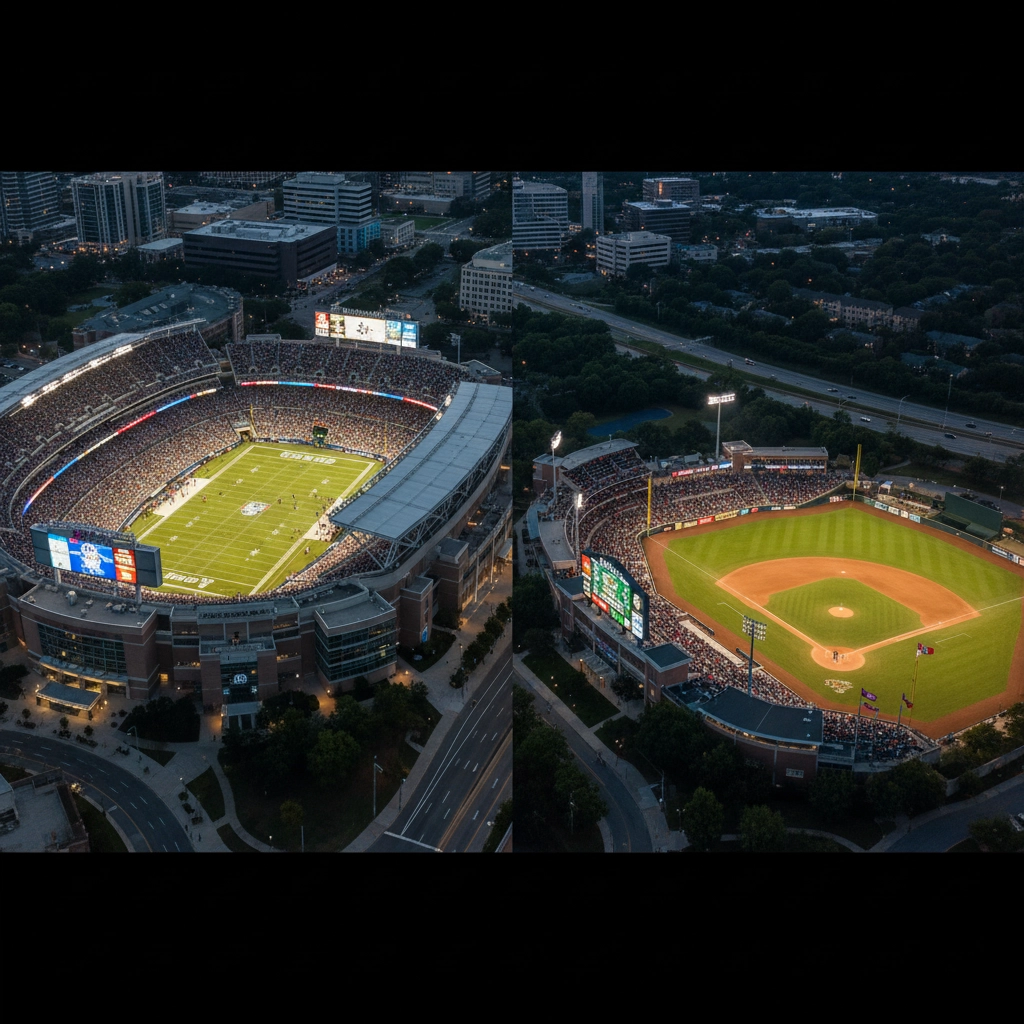
Here's a painful truth: Testing your DOOH campaign at Madison Square Garden or Yankee Stadium is like trying to learn to drive on the freeway. Major sports markets require 20 times the budget to achieve meaningful reach, and if your creative or targeting is off, you'll burn through money faster than a rookie's signing bonus.
Too many brands start with premium venues thinking they need the prestige, but end up with campaigns that barely register with audiences because the budget gets diluted across expensive, high-competition environments.
The Fix: Start with mid-tier sports markets where your budget can actually make a difference. Test your messaging at regional basketball arenas, minor league baseball stadiums, or college venues. Once you've proven your approach works, then scale up to the big leagues.
Mistake #4: Choosing Terrible Locations Within Venues
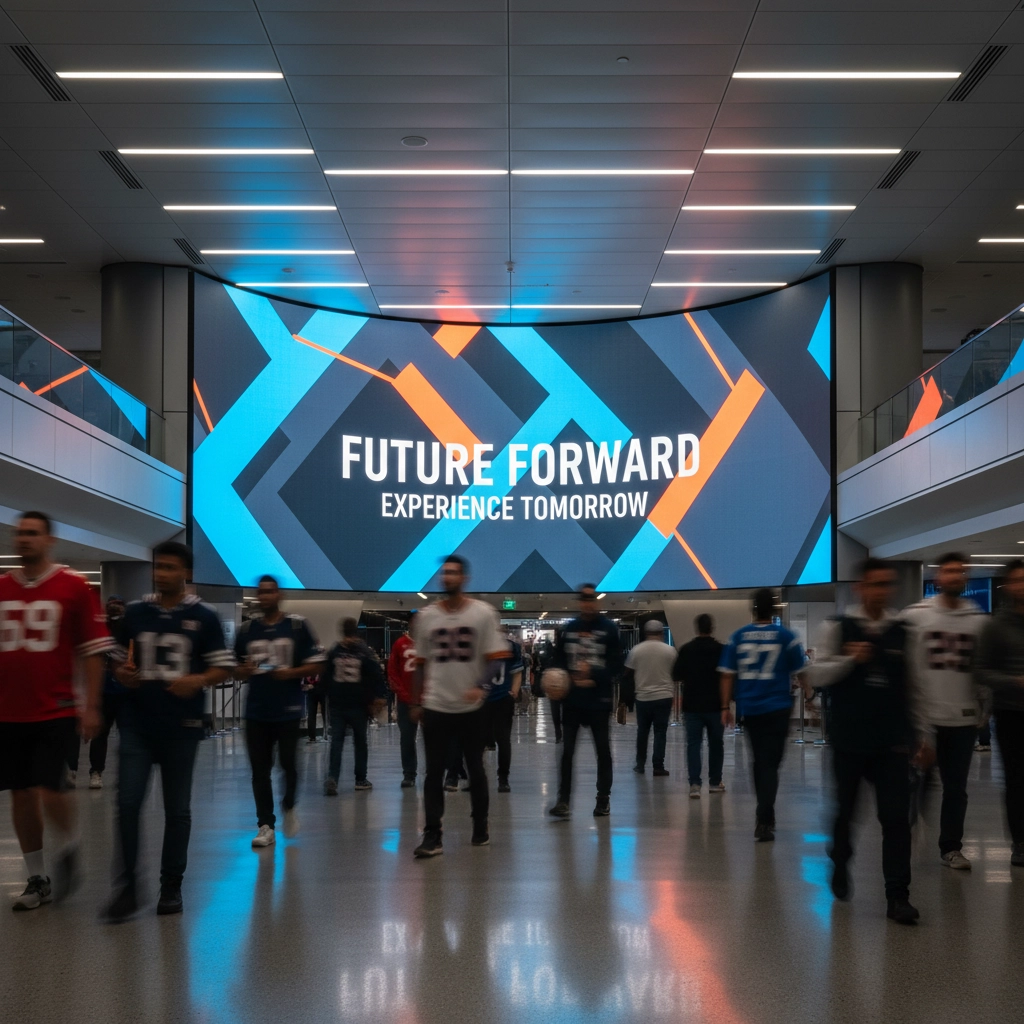
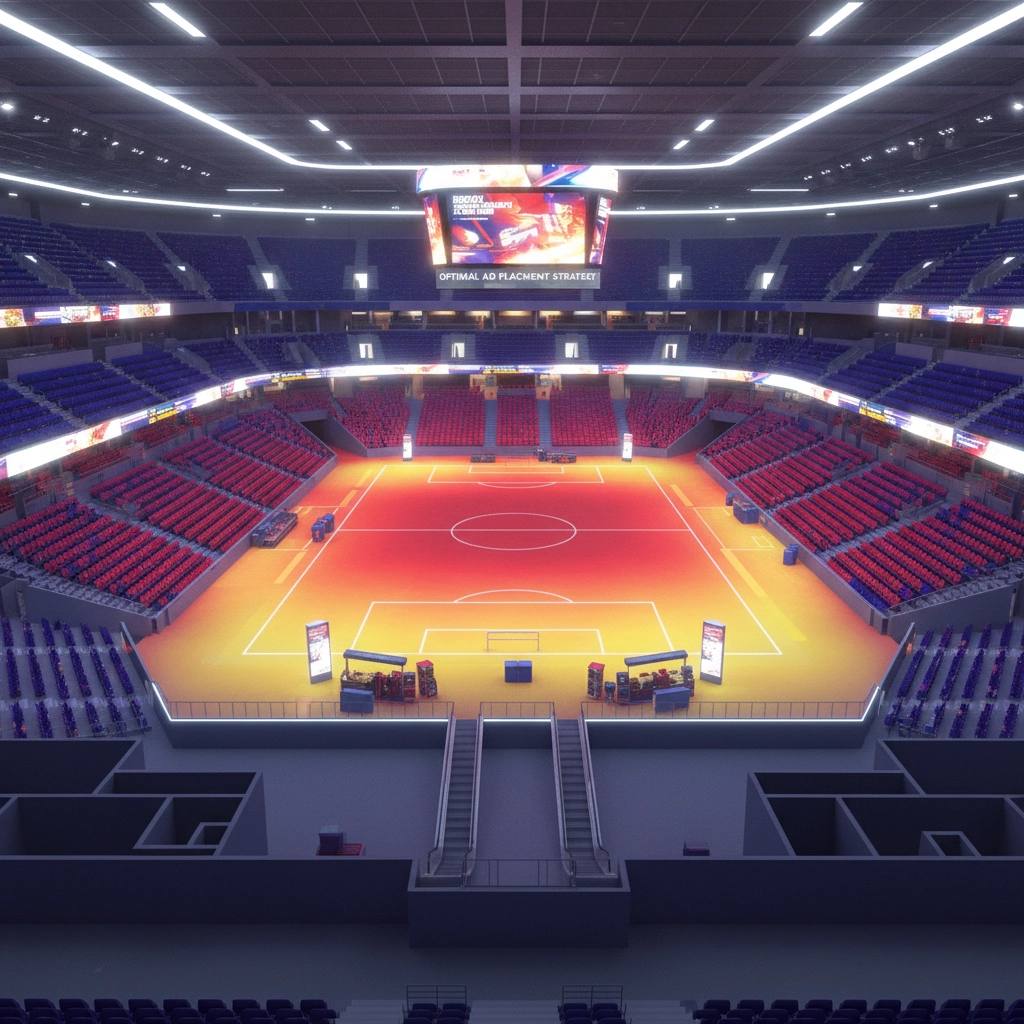
Location is everything in DOOH, and sports venues have their own unique traffic patterns. That "premium" spot you bought might be in a dead zone that fans avoid, blocked by structural elements, or positioned where people are focused on something else entirely.
Many brands assume all digital displays in a venue are created equal. They're not. A screen near the main concourse entrance might get 10 times more quality impressions than one tucked behind the upper deck concession stands.
The Fix: Do your homework. Visit venues during actual games to see foot traffic patterns. Where do fans naturally gather? Which routes do they take to amenities? Ask venue operators for heat maps showing actual audience flow, not just theoretical capacity numbers.
Mistake #5: Trying to Appeal to Everyone (And No One)
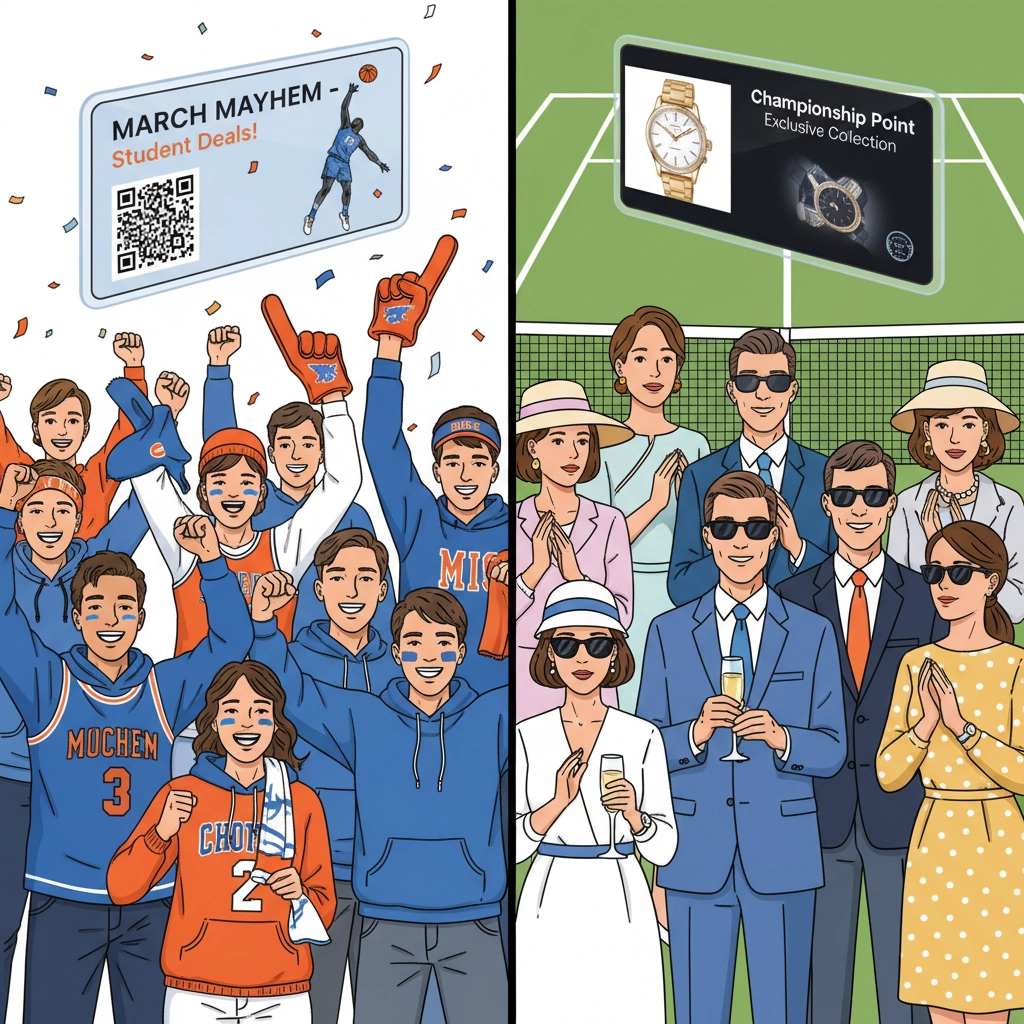
Sports audiences aren't generic. Yankees fans are different from Mets fans. College basketball crowds have different demographics than NFL audiences. NBA fans in different cities have distinct characteristics.
Yet most DOOH campaigns use the same generic messaging across all sports venues, missing opportunities to connect with specific fan cultures and demographics.
The Fix: Develop audience personas for each venue or sport you're targeting. A craft beer ad might resonate differently with college football fans versus tennis audiences. Tailor your creative and messaging to match the specific sports culture you're trying to reach.
Mistake #6: Flying Blind Without Performance Data
This one's brutal: Most sports DOOH campaigns have zero measurable performance tracking. Brands spend huge budgets on digital displays and then have no idea whether anyone actually saw, remembered, or acted on their ads.
Without tracking, you can't optimize campaigns, justify continued investment, or prove ROI to stakeholders. You're essentially throwing money at screens and hoping something sticks.
The Fix: Build measurement into every campaign. Use QR codes linking to exclusive content, unique promo codes for venue-specific offers, or dedicated landing pages. Track website visits, app downloads, and conversions that can be attributed to your sports venue exposure.
Mistake #7: Missing the Digital Bridge Opportunity
Sports fans are among the most digitally engaged audiences on the planet. They're constantly on their phones sharing moments, checking stats, and interacting on social media during games. Yet most DOOH campaigns completely ignore this behavior.
Your digital display should be the beginning of a conversation, not the end of one. But too many brands treat DOOH as a standalone tactic instead of an entry point into deeper digital engagement.
The Fix: Create seamless bridges from your DOOH displays to digital experiences. Include hashtags that connect to real-time social conversations about the game. Use QR codes that unlock exclusive sports content, behind-the-scenes footage, or fan contests. Make your DOOH ad the first step in a longer brand journey.
The Bottom Line on Sports DOOH Success
Sports venues offer advertising opportunities that simply don't exist anywhere else. You have passionate, engaged audiences in emotional environments with extended dwell times. But these advantages only work if you respect the unique dynamics of sports culture.
The biggest mistake isn't any single tactical error – it's treating sports DOOH like regular outdoor advertising. Sports fans are different. The environment is different. The emotional context is different. Your approach needs to be different too.
When you time your messaging right, keep it simple and bold, target the right audiences in the right venues, and create bridges to deeper engagement, sports DOOH becomes incredibly powerful. Skip these fundamentals, and you're just expensive wallpaper.
The choice is yours. Are you ready to stop making these costly mistakes and start creating DOOH campaigns that actually connect with sports fans? The playbook is right here – now it's time to execute.
At Sports Media Inc., we help brands navigate these challenges and create DOOH campaigns that actually work in sports environments. Want to see what's possible when you get sports advertising right? Let's talk.