

Walk into any stadium today and you'll see corporate logos plastered everywhere. From naming rights to jersey patches, sports sponsorships seem as alive as ever. But with digital marketing exploding and consumer habits shifting faster than a 90-mph fastball, many marketers are asking: Is traditional sports sponsorship still worth the massive investment?
The short answer? Hell no, they're not dead. In fact, they're more lucrative than ever.
The Numbers Don't Lie: Sports Sponsorships Are Booming
Let's cut through the noise with some hard data. The global sports sponsorship market hit $70.44 billion in 2025 and is projected to grow at a 5.38% compound annual growth rate through 2033. That's not the trajectory of a dying industry – that's explosive growth in a sector that's adapting faster than most people realize.
But here's what's really fascinating: while everyone's talking about digital transformation killing traditional advertising, sports sponsorships are actually benefiting from the shift. Brands are discovering that live sports events create authentic engagement opportunities that you simply can't replicate with programmatic banner ads.

Evolution, Not Extinction: How Sponsorships Are Changing
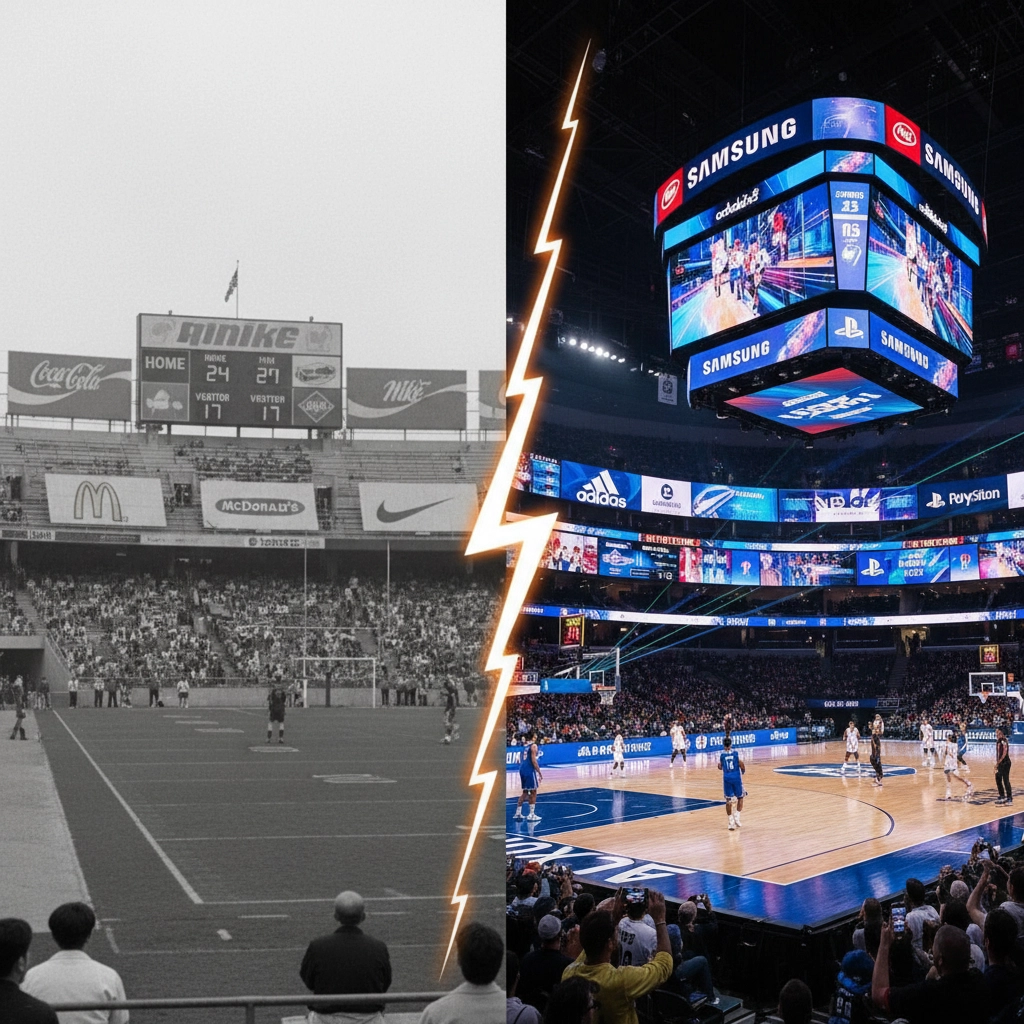
The real story isn't about death – it's about dramatic evolution. Today's sports sponsorships look radically different from the static billboards and naming rights deals of the 1990s.
Gen Z is completely reshaping the game. These digital natives consume sports differently, preferring music integration and expecting brands to demonstrate real social impact. Smart sponsors are adapting by weaving diversity, equity, inclusion, and ESG commitments directly into their activation strategies.
Digital activation is exploding. Traditional static signage is being replaced by immersive digital experiences that can be personalized, measured, and optimized in real-time. Think interactive stadium displays that respond to crowd noise or AR experiences that activate through mobile apps during games.
Data-driven measurement is becoming standard. The days of "spray and pray" sponsorship deals are over. Modern sponsors demand precise ROI metrics, audience engagement analytics, and conversion tracking that would make performance marketers jealous.
Million-Dollar Investments Are Still Happening (And Growing)
So do brands still write seven-figure checks for sports partnerships? Absolutely. But now they're smarter about it.
Take college athletics as an example. Even at the university level, premium seating programs are generating massive revenue. The University of Kansas sells seats for $105,000 over 10 years. UC Berkeley offers endowment seating programs ranging from $40,000 to $220,000. And that's just seating – not even full sponsorship deals.
In 2011 alone, just 34 public universities from the six largest football conferences generated $467.2 million in seat donation revenue. Ohio State University led the pack with $38.7 million that year. Adjust those numbers for inflation and current market growth, and you're looking at investment levels that would make most digital marketing budgets look like pocket change.
Why Smart Brands Are Doubling Down
Here's the thing most people miss about sports sponsorships: they're not competing with digital marketing. They're enhancing it.
Emotional Connection Beats Algorithms: Sports create emotional moments that stick. When your brand is associated with a game-winning touchdown or a championship celebration, you're not just buying impressions – you're buying a place in people's memories.
Premium Audience Quality: Sports audiences are engaged, passionate, and often have higher disposable income. A single naming rights deal can deliver more qualified leads than months of social media advertising.
Cross-Platform Amplification: Modern sponsorships aren't confined to the stadium. They extend across social media, streaming platforms, mobile apps, and traditional broadcast, creating a multi-touchpoint experience that digital-only campaigns struggle to match.
Local Market Penetration: For brands targeting specific geographic markets, local sports sponsorships offer unparalleled community integration. You're not just advertising to locals – you're becoming part of their community identity.
The Strategic Transformation
The biggest change isn't in spending levels – it's in strategic approach. Today's successful sponsors are following three key principles:
Fewer, Bigger, Better: Instead of spreading budgets across dozens of small sponsorships, smart brands are consolidating into high-impact partnerships that deliver measurable ROI.
Tent-Pole Activations: Major events and championships offer concentrated opportunities to make a massive impression. Think Super Bowl, March Madness, or World Series partnerships that dominate conversation for weeks.
Social Impact Integration: Modern consumers, especially younger demographics, expect brands to stand for something. Sports sponsorships that incorporate community investment, youth development, or social causes see significantly higher engagement rates.

Technology Is Creating New Opportunities, Not Destroying Old Ones
Rather than killing traditional sponsorships, technology is making them more effective and measurable than ever.
Real-Time Fan Engagement: Interactive displays, mobile apps, and social media integration turn passive spectators into active participants in brand experiences.
Precision Targeting: Even within stadium environments, sponsors can now deliver personalized experiences based on seat location, purchase history, and demographic data.
Extended Reach: Live streaming, social media sharing, and highlight reels mean a single in-stadium activation can reach millions of additional viewers across multiple platforms.
Performance Analytics: Modern sponsorship deals include detailed performance metrics that track everything from brand awareness lift to actual sales conversions.
The Future Is Hybrid, Not Dead
Looking ahead, the most successful sports marketing strategies will blend traditional sponsorship elements with digital innovation. Stadium naming rights deals now include digital content libraries, social media integration, and performance guarantees that ensure sponsors get measurable value for their investment.
The brands writing the biggest checks understand something fundamental: sports sponsorships aren't just advertising – they're relationship building. When done right, they create emotional connections that translate into long-term customer loyalty and brand advocacy that no amount of programmatic advertising can match.
The Bottom Line
Traditional sports sponsorships aren't dead – they're evolving into more sophisticated, measurable, and effective marketing tools than ever before. While the tactics are changing, the fundamental value proposition remains stronger than ever: exclusive access to passionate, engaged audiences in emotionally charged environments.
For brands with the budget and strategic vision to execute properly, million-dollar sports sponsorships continue to deliver returns that justify the investment. The question isn't whether these deals are still happening – it's whether your brand is sophisticated enough to make them work in today's evolved landscape.
Want to explore how modern sports sponsorships could work for your brand? Check out our services to see how we're helping companies navigate this exciting, rapidly-evolving space.