

Sports marketing budgets are getting tighter, but the pressure to deliver results keeps climbing. You're probably wrestling with where to spend your advertising dollars for maximum impact. Should you go with flashy digital out-of-home (DOOH) displays that can change on the fly, or stick with tried-and-true traditional stadium advertising that puts your brand right next to the action?
Let's break down both options so you can make the smartest choice for your budget and goals.
What Makes Digital Out-of-Home Different
Digital out-of-home advertising is like traditional billboards on steroids. Instead of static posters, you're getting dynamic digital displays that can show videos, animations, and even interactive content. Think of those massive LED screens you see in Times Square, but strategically placed where sports fans gather.
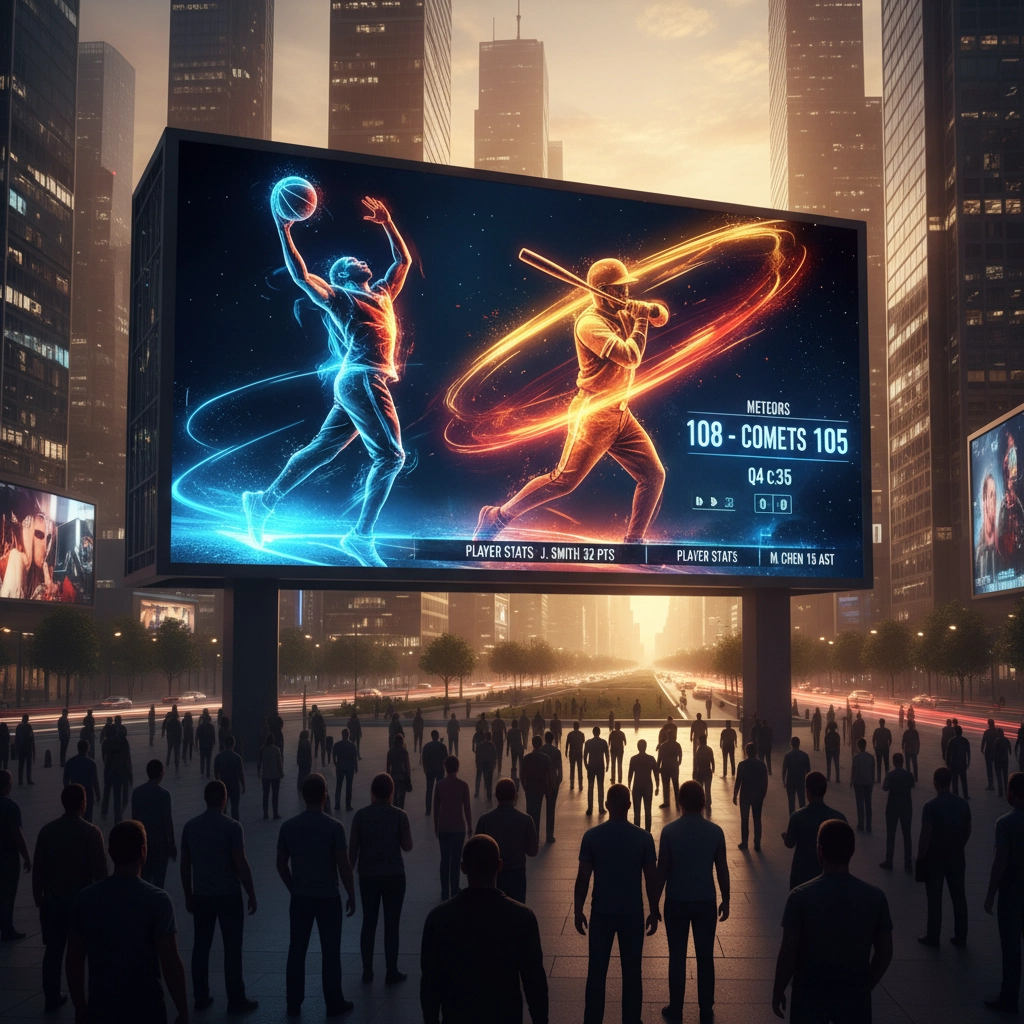
The game-changer here is flexibility. Your creative team can update content in real-time, which means if your sponsored team just scored a winning touchdown, you can have celebratory messaging live within minutes. No waiting for new posters to be printed and installed.
DOOH also lets you target different audiences throughout the day. Morning commuters might see one message about your sports bar's breakfast specials, while evening traffic gets ads about game-day watch parties. It's like having multiple billboards in one location.
Traditional Stadium Advertising: The Emotional Powerhouse
Stadium advertising puts your brand directly in the heart of the action. We're talking about those LED ribbon boards around the field, static signage behind home plate, or digital displays during timeouts. When fans are emotionally invested in the game, they're also more receptive to the brands sharing that experience.
The captive audience factor is huge. Unlike other advertising where people can skip, scroll, or change channels, stadium ads reach fans who are locked in for hours. They're not just seeing your brand – they're associating it with their favorite team's big moments.
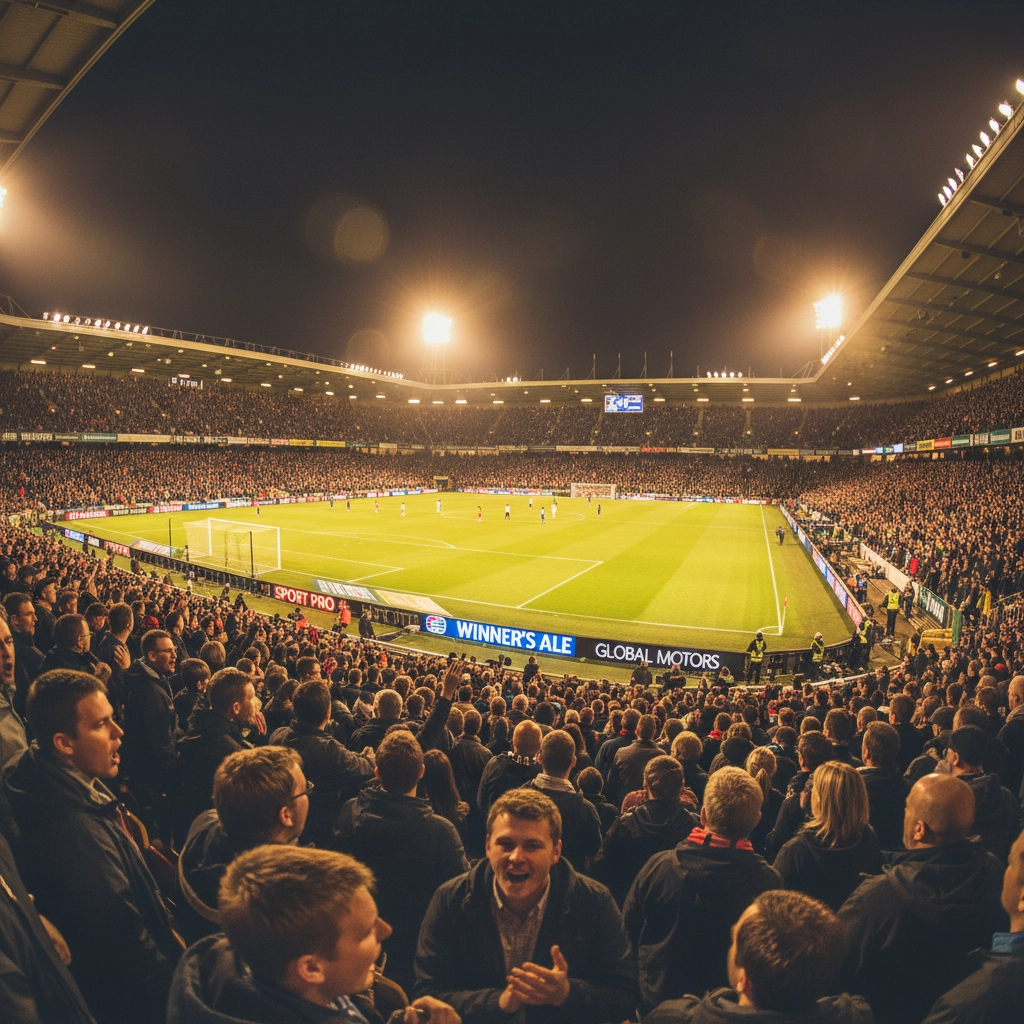
Plus, stadium advertising often comes with surprising affordability. Many venues offer digital-only packages that eliminate printing costs, and you can cherry-pick specific games that align with your target demographic.
The Budget Breakdown: Where Your Money Goes
Let's get real about costs because that's what matters most to your bottom line.
Digital Out-of-Home Investment:
- Higher upfront costs for premium digital display networks
- No ongoing production expenses since content updates are digital
- Ability to run multiple campaigns on the same display units
- Analytics and performance tracking included in most packages
Traditional Stadium Advertising Costs:
- Lower entry point, especially for local team partnerships
- Fixed costs per game or season packages
- Additional fees for content changes mid-campaign
- Geographic targeting keeps costs manageable for regional businesses
Head-to-Head Comparison
| Factor | Digital Out-of-Home | Traditional Stadium Ads |
|---|---|---|
| Flexibility | Instant content updates | Fixed messaging during campaigns |
| Audience Engagement | Interactive touchscreens, QR codes | High emotional connection with teams |
| Targeting Precision | Time-based and demographic targeting | Event and geographic targeting |
| Entry Costs | Higher initial investment | Lower barrier to entry |
| Measurability | Detailed digital analytics | Impression tracking, QR code monitoring |
| Creative Options | Videos, animations, dynamic content | Static or simple digital displays |
| Scalability | Easy network expansion | Limited by venue capacity |

When Digital Out-of-Home Wins
Choose DOOH when your marketing strategy thrives on agility. If you're launching a new energy drink and want to capitalize on trending sports moments, DOOH lets you pivot messaging instantly. Got a athlete endorsement deal? Update your creative the moment they make headlines.
DOOH also dominates for multi-market campaigns. Instead of negotiating with dozens of individual stadiums, you can work with digital networks that span multiple cities and reach sports fans during their daily routines, not just at games.
The targeting capabilities make DOOH perfect for brands with diverse customer segments. Your messaging can shift throughout the day to capture different fan demographics – casual viewers during lunch, die-hard fans heading to evening games.
When Stadium Advertising Takes the Trophy
Stadium advertising excels at building deep emotional connections. When your brand appears during a team's championship run or a rookie's breakout season, fans remember those associations for years.
It's also unbeatable for local and regional businesses. A local restaurant chain advertising in their home team's stadium creates community connection that national brands can't replicate. Fans see you as part of their local sports family.
For brands wanting predictable, contained costs, stadium advertising offers clearer budget planning. You know exactly what you're paying for specific games or seasons, with fewer variables than complex digital advertising networks.

The Smart Money Play: Hybrid Strategy
Here's where things get interesting – you don't have to pick just one. Smart sports marketers are combining both approaches for maximum impact.
Use stadium advertising to establish emotional brand connections during key games and playoffs. These become your "tent pole" moments that create lasting fan associations. Then leverage DOOH throughout the season to maintain visibility and capitalize on trending moments between games.
For example, sponsor digital displays at your local stadium for home games, then use DOOH networks to reach fans at sports bars, gyms, and transit stations when they're thinking about upcoming games.
Making the Right Choice for Your Brand
Your decision should align with three key factors: campaign objectives, audience behavior, and budget flexibility.
Go with DOOH if:
- You need real-time responsiveness to sports trends and breaking news
- Your target audience spans multiple demographics requiring different messaging
- You want interactive engagement beyond passive viewing
- Your budget can handle higher upfront costs for long-term flexibility
Choose stadium advertising if:
- Building emotional brand associations with specific teams matters most
- Your audience concentrates around particular teams or venues
- You prefer predictable, fixed campaign costs
- Local market penetration is more important than broad reach
Consider both if:
- Your budget allows for diversified sports marketing approaches
- You want to capture both in-venue emotional moments and daily fan touchpoints
- Your brand benefits from both broad reach and deep team associations
The Bottom Line
Neither option is universally better – they serve different strategic purposes. DOOH offers unmatched flexibility and broad reach for brands that need to stay agile in fast-moving sports conversations. Stadium advertising creates deeper emotional connections with captive audiences who associate your brand with their most passionate moments.
The smartest approach? Start with clear objectives. Are you building brand awareness, driving immediate sales, or creating long-term fan loyalty? Your goals will point you toward the right mix of digital flexibility and stadium emotion.
Remember, successful sports marketing isn't just about choosing the right advertising format – it's about understanding how your brand fits into fans' sports experiences and meeting them where they're most engaged.