

Walk into any major stadium today and you'll be hit with a wall of brand messages. From the naming rights on the building to the ads plastered on every available surface, sports venues have become advertising battlegrounds. But here's the million-dollar question: is anyone actually paying attention anymore?
The short answer? Traditional sports sponsorships aren't dead, but they're on life support. The way fans consume and remember advertising at sporting events has fundamentally changed, and brands that don't adapt are literally throwing money into the void.
The Sponsorship Overload Problem
Let's start with some eye-opening numbers. The average fan attending a sporting event is bombarded with over 3,000 sponsorship messages during a single game. Three thousand! That's everything from stadium naming rights and jersey patches to digital displays, scoreboard ads, and promotional announcements.

Your brain wasn't designed to process this level of advertising assault. What happens instead is something called pattern-matching behavior – essentially, your mind develops filters that automatically tune out repetitive visual stimuli. Those static perimeter boards and predictable scoreboard ads? Your brain has learned to ignore them completely.
This explains why traditional sponsorship metrics often don't translate to actual brand recall or consumer action. Brands are paying premium prices for visibility that isn't actually being seen in any meaningful way.
The Memory Gap: What Fans Actually Remember
Recent research reveals a stark truth about sponsorship effectiveness. While brands invest millions in traditional stadium advertising, fans primarily remember only the sponsorship activations that break patterns and violate expectations.
Think about the memorable sponsorship moments you've experienced at games. Chances are, they weren't static logo placements. They were interactive experiences – the half-court shot that could win you a car, the promotion that turned missed free throws into free pizza, or the unexpected fan giveaway that caught everyone off guard.
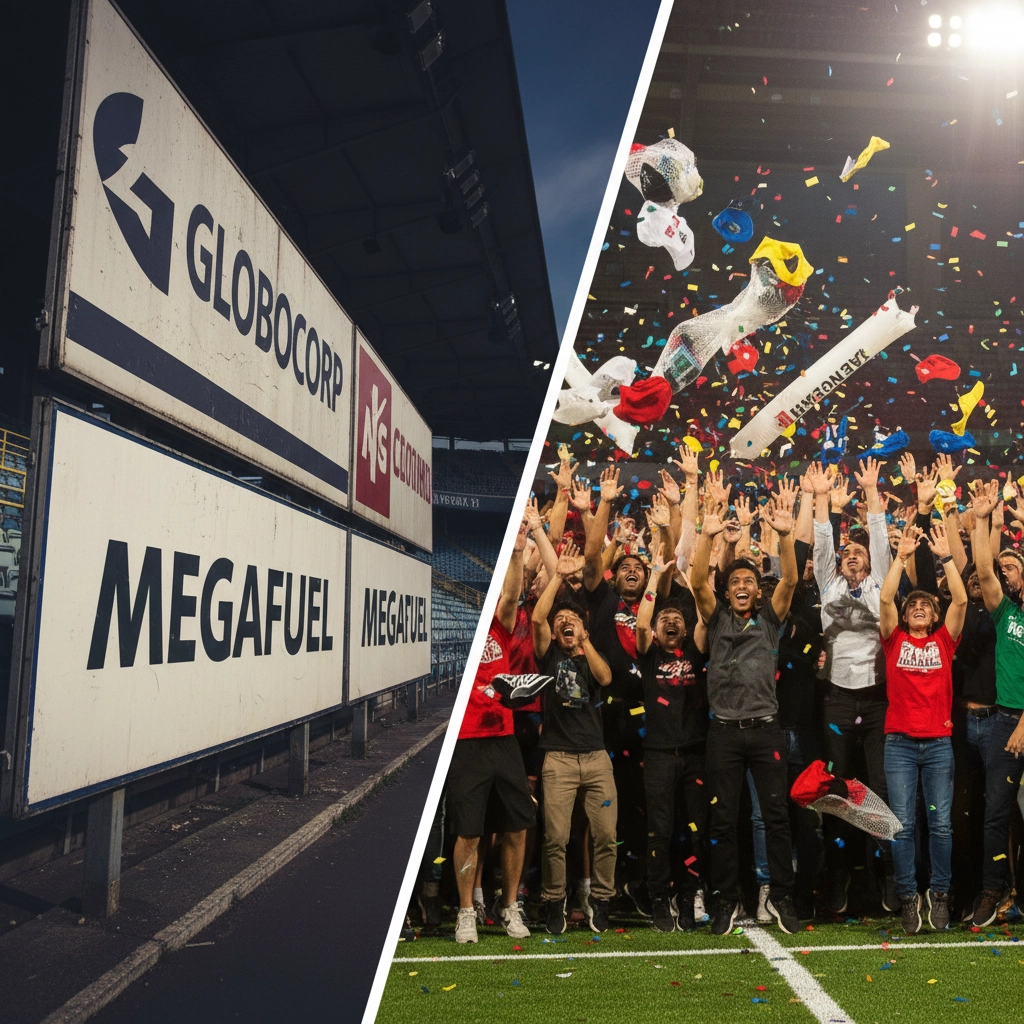
These memorable moments work because they don't trigger the brain's pattern-matching filters. Instead of looking like traditional advertisements, they provide value, entertainment, or surprise that creates genuine engagement with the brand.
The Shift From Exposure to Engagement
The global sports sponsorship market is massive – valued at $114.41 billion and projected to reach nearly $190 billion by 2030. But this growth isn't coming from traditional advertising approaches. Instead, we're seeing a fundamental shift in how sponsorships are structured and measured.
Smart brands are moving away from simple brand visibility toward data-driven partnerships focused on measurable engagement and ROI. Rights holders are redefining their value proposition, selling emotional connection and fan loyalty rather than just logo placement opportunities.
This transformation reflects a broader industry recognition that exposure alone is insufficient. In today's attention economy, brands need to provide genuine value to cut through the noise.
What's Working in Modern Sports Sponsorship
The most successful sponsorship activations today share several key characteristics:
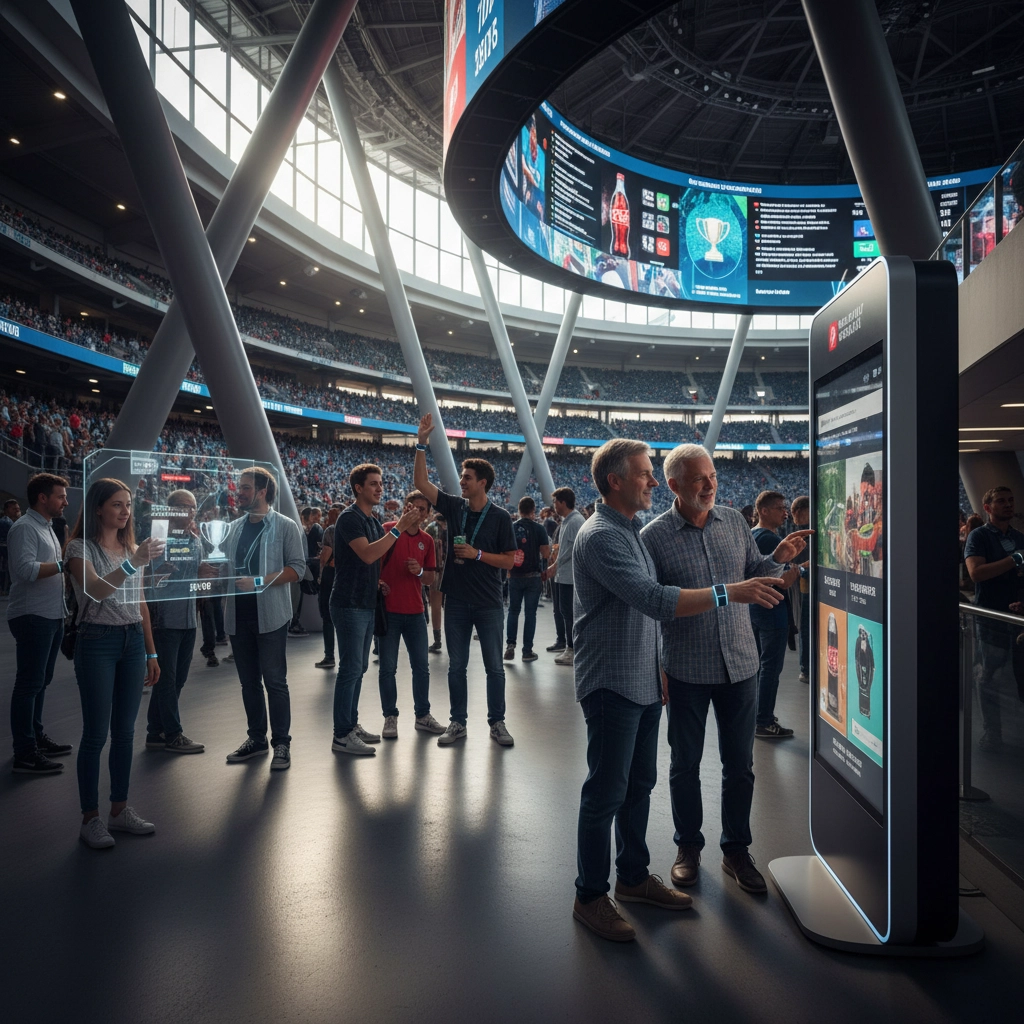
Interactive Experiences: Instead of passive brand displays, effective sponsors create opportunities for fans to engage directly with their brand. This might be through mobile apps, social media integration, or physical activations that require participation.
Value-Driven Partnerships: The best sponsorships provide tangible value to fans. Whether it's exclusive content, special offers, or enhanced game experiences, successful brands focus on what they can give fans rather than just what they can get from them.
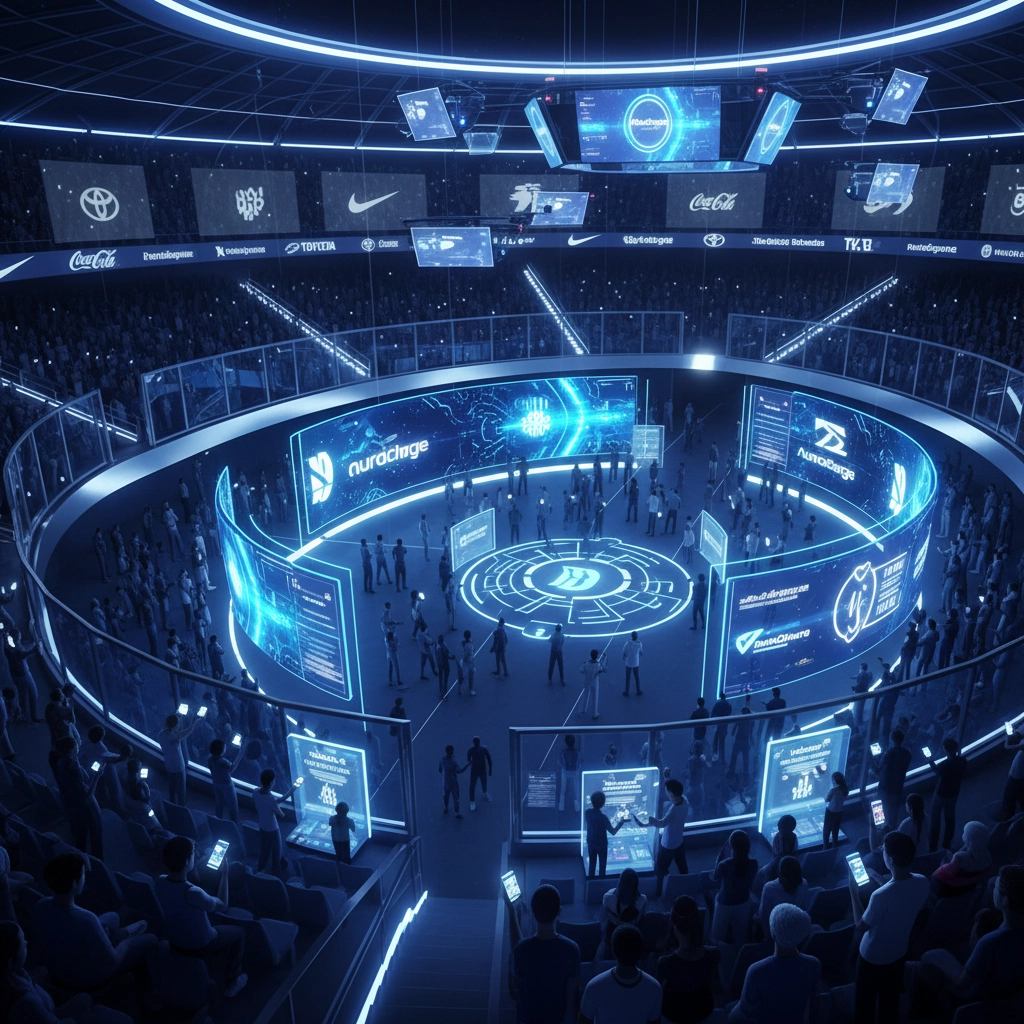
Authentic Storytelling: Gen Z and younger millennials in particular respond to sponsors who demonstrate genuine alignment with their values. Brands that showcase diversity, equity, inclusion, and ESG commitments through their sponsorship choices see significantly better engagement rates.
Technology Integration: Modern sponsorships leverage technology to create personalized experiences. This includes everything from augmented reality activations to targeted mobile messaging based on fan behavior and location data.
The Consolidation Trend
Interestingly, many successful sponsors are actually doing less – but doing it better. There's a clear trend toward portfolio consolidation, where brands focus on fewer, bigger, and better opportunities rather than spreading their budgets across multiple small sponsorships.
This approach allows for more substantial activations that can truly break through the pattern-matching behavior that filters out traditional advertising. Instead of having a small presence at ten venues, smart brands are creating major, memorable experiences at three or four carefully selected properties.
Measurement Revolution
Perhaps the biggest change in modern sports sponsorship is the evolution of measurement frameworks. Traditional metrics like "impressions" and "reach" are being supplemented (and in some cases replaced) by more sophisticated tracking that includes:
- Social media engagement and sentiment analysis
- Mobile app interactions and dwell time
- Purchase behavior correlation
- Brand lift studies focused on recall and consideration
- Long-term customer lifetime value tracking
This data-driven approach allows brands to optimize their sponsorship strategies in real-time and demonstrate concrete ROI to stakeholders.
The Future of Sports Sponsorship
Looking ahead, several trends are reshaping the sponsorship landscape:
Tent-Pole Activations: High-impact, concentrated efforts are delivering better ROI than dispersed traditional advertising approaches. Brands are investing in marquee moments that create buzz and drive engagement.
Values-Based Partnerships: Fans increasingly expect sponsors to align with their personal values. Sponsorships that demonstrate authentic commitment to causes fans care about see significantly higher engagement rates.
Personalization at Scale: Advanced data analytics are enabling sponsors to deliver personalized experiences to thousands of fans simultaneously, creating the feel of individual attention at mass scale.

Cross-Platform Integration: The most successful modern sponsorships extend beyond the venue itself, integrating social media, streaming platforms, mobile apps, and traditional media to create comprehensive brand experiences.
The Bottom Line for Brands
Traditional sports sponsorships aren't dead, but their traditional execution methods are rapidly becoming obsolete. Brands that continue to rely solely on passive brand exposure through static signage and logo placement are seeing diminishing returns on their investments.
The winners in today's sponsorship landscape are the brands that understand the fundamental shift from exposure to engagement. They're creating authentic connections with fans through innovative activations that provide real value and break through the cognitive filters that render traditional advertising invisible.
For brands still investing in conventional sponsorship approaches, the message is clear: evolve or risk irrelevance. The future belongs to sponsors who can create memorable experiences that fans actually want to engage with, remember, and act upon.
The sports sponsorship industry is at a crossroads. Those who adapt to the new reality will thrive, while those clinging to outdated strategies will find their multimillion-dollar investments increasingly ineffective. The choice is yours – but the clock is ticking.