

The college sports marketing world got turned upside down when NIL (Name, Image, and Likeness) rights became legal in 2021. But here's the thing: what you see in the headlines isn't the full story. Behind the flashy million-dollar deals and social media buzz, there's a complex ecosystem that operates very differently than most people realize.
After working with hundreds of student-athletes and brands navigating this new landscape, we've uncovered some eye-opening truths that challenge everything you think you know about NIL marketing.
The $1,000 Reality Check
Let's start with the biggest misconception floating around. While everyone's talking about Caitlin Clark's $3+ million earnings or massive football deals, here's what actually happens for most college athletes: the median annual NIL earnings is under $1,000.
Yep, you read that right. Under a grand.
This isn't because the system is broken: it's because 85% of all NIL deals are social media-based partnerships. We're talking about Instagram posts, TikTok videos, and Twitter shout-outs, not major endorsement campaigns with national TV commercials.

The brands pushing those headline-grabbing stories? They benefit from the hype. It creates this perception that NIL is this goldmine, when in reality, most athletes are earning what amounts to weekend job money.
The Performance Paradox
Here's where it gets really interesting. The athletes making the most money aren't necessarily the best players on the field. They're the ones who understand something that traditional sports coverage completely misses: influence trumps performance.
A volleyball player with 200,000 engaged TikTok followers can out-earn an All-American quarterback who doesn't post on social media. Olympic sport athletes with strong digital followings often land better brand deals than football and basketball stars.
Why? Because brands care about reach, engagement, and audience demographics: not touchdown passes or batting averages.
This shift has created a whole new category of "athlete influencers" who've figured out that building an authentic online presence is more valuable than any trophy. They're creating content that resonates with their audience, sharing their daily routines, and building genuine connections with followers.
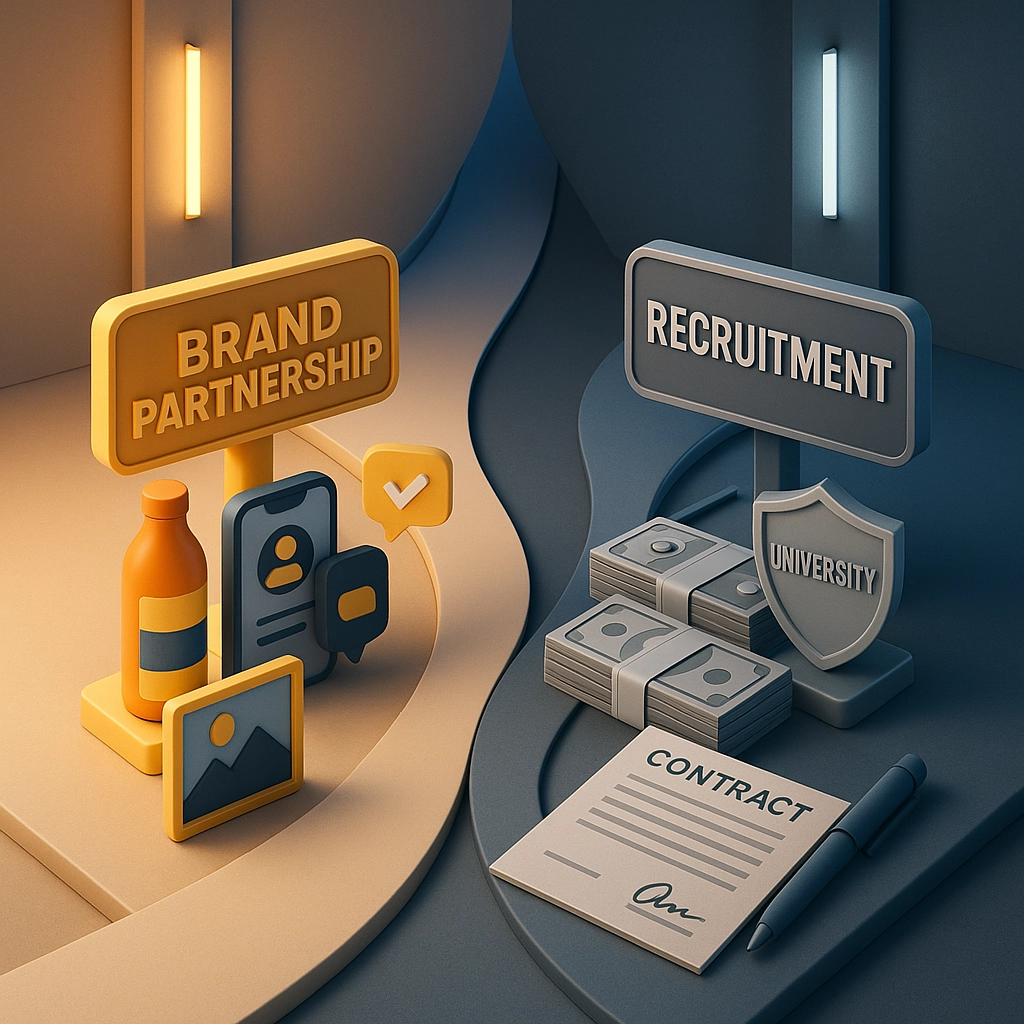
The Two-Tier System Nobody Talks About
The NIL world operates on two completely different levels, and understanding this split is crucial for anyone serious about college sports marketing.
Tier One: Authentic Brand Partnerships
These are the real deal: companies paying fair market value for athletes who genuinely align with their brand. Think Shedeur Sanders appearing in KFC commercials or a local restaurant partnering with a popular softball player.
Tier Two: The Collective Game
This is where things get murky. NIL collectives pool money from boosters and businesses, often paying athletes way above their fair market NIL value. The primary goal? Recruiting.
That $8 million deal that brought quarterback Nico Iamaleava to Tennessee? That's collective money, not traditional brand marketing. It's essentially "pay to play" disguised as NIL.

The Social Media Secret Sauce
Here's something most athletic departments won't tell their student-athletes: your social media presence matters more than your stats sheet when it comes to NIL earnings.
The most successful NIL athletes have cracked the code on:
- Consistent content creation
- Authentic audience engagement
- Cross-platform presence
- Personal brand storytelling
They're not just posting highlight reels. They're sharing behind-the-scenes content, their training routines, their struggles, and their victories in ways that make followers feel connected to their journey.
The Geography Game
Location plays a huge role in NIL opportunities, but this isn't common knowledge among athletes or even coaches. Some states have zero oversight on NIL deals, while others have strict regulations that can limit earning potential.
Schools in states with favorable NIL policies become more attractive to recruits, creating an uneven playing field that extends beyond traditional recruiting advantages like facilities or coaching staff.
Smart brands are mapping out these regulatory differences and targeting athletes in favorable jurisdictions where they can execute more creative partnership strategies.
The Overlooked Olympic Sports Goldmine
While everyone focuses on football and basketball, there's a massive opportunity hiding in plain sight: Olympic sports athletes with strong social media games.
These athletes often have:
- More engaged, niche audiences
- Lower competition for brand partnerships
- Higher authenticity ratings
- Better long-term partnership potential
A gymnast with 50,000 highly engaged followers interested in fitness and lifestyle content can be worth more to the right brand than a backup quarterback with a million followers who barely engage.
The Knowledge Gap Advantage
Here's perhaps the biggest "secret" of all: most student-athletes don't understand their market value or how to negotiate effectively. This creates opportunities for savvy brands to work with undervalued talent.
Athletes who educate themselves on personal branding, audience analytics, and partnership negotiation consistently outperform their peers: regardless of athletic ability.
At MySportsMedia.com/NIL, we've seen this pattern repeatedly. The athletes who invest time in understanding the business side of NIL see dramatically different results than those who just wait for opportunities to come to them.
The Long Game Strategy
The most successful NIL partnerships aren't one-off deals: they're long-term relationships that grow with the athlete's career. Brands that identify talent early and build authentic partnerships often see better ROI than those chasing viral moments with established stars.
This means looking beyond current popularity metrics to identify athletes with strong growth potential, authentic voices, and audiences that align with brand values.
What This Means for the Future
The NIL landscape is still evolving rapidly. As more athletes figure out the influence game and more brands recognize the value beyond major sports, we'll likely see:
- More sophisticated athlete-brand matching
- Increased emphasis on micro-influencer strategies
- Better education around personal branding in athletic programs
- More creative partnership structures
The athletes and brands that adapt quickly to these realities will have significant advantages over those still operating under outdated assumptions about how college sports marketing works.

The bottom line? NIL isn't just about athletic performance anymore. It's about understanding audience, building authentic relationships, and creating value that extends far beyond the playing field. The sooner everyone involved recognizes this shift, the better positioned they'll be to succeed in this new era of college sports marketing.
Contact Sports Media Inc.
📧 info@sportsmedia.net
📞 (555) 123-SPORT
🌐 sportsmedia.net
Related Services:
#NILMarketing #CollegeSports #StudentAthleteMarketing #SportsMarketing #NILDeals #CollegeAthletes #SportsMedia #AthleteInfluencers #NILSecrets #news