
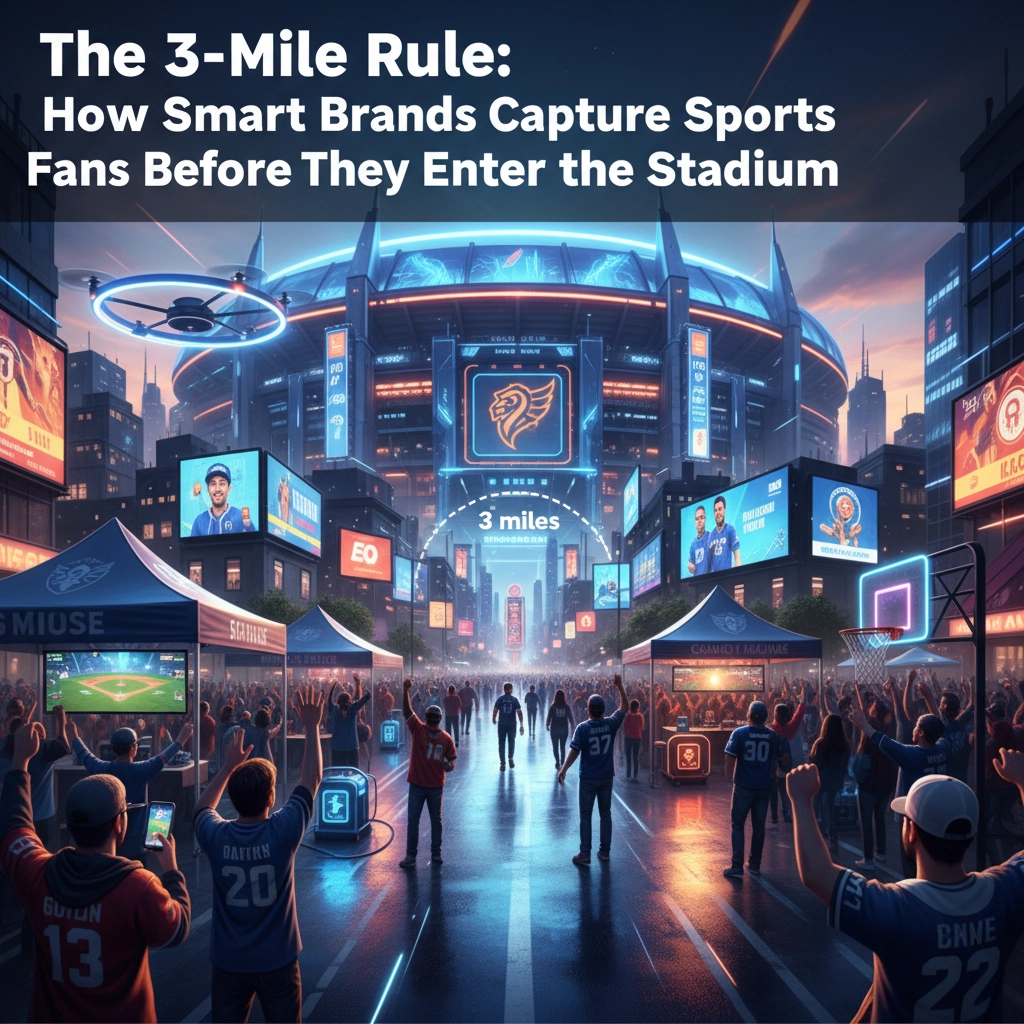
Picture this: It's game day, and thousands of passionate fans are making their way to the stadium. They're pumped, they're ready to spend money, and they're in full fan mode. But here's the kicker – most brands are waiting until these fans actually get inside the stadium to start their marketing efforts.
That's a massive missed opportunity.
Smart brands have discovered what we call the "3-Mile Rule" – the golden zone where sports fans are most receptive to brand messaging before they even step foot in the stadium. This isn't just theory; it's a proven strategy that's revolutionizing how companies connect with sports audiences.
What Exactly Is the 3-Mile Rule?
The 3-Mile Rule is simple but powerful: capture sports fans' attention within a three-mile radius of the stadium before game time. This zone represents the sweet spot where fans are already in "game mode" but haven't yet been overwhelmed by stadium advertising and crowd noise.
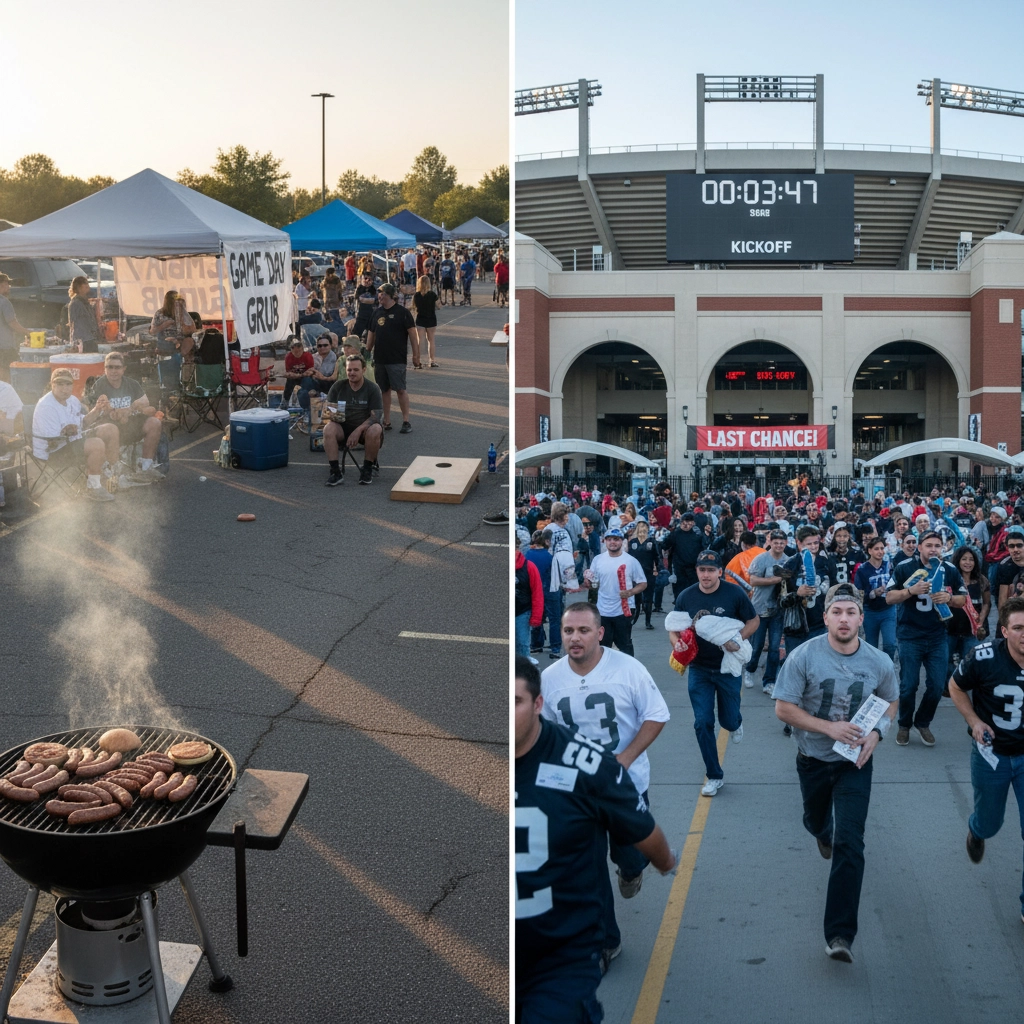
Think about fan behavior during this critical window. They're driving to the game, grabbing food, meeting friends at sports bars, or walking from parking lots. Their excitement is building, their wallets are open, and they're making real-time decisions about where to eat, what to buy, and how to enhance their game-day experience.
Why the 3-Mile Zone Is Marketing Gold
Research shows that fans within this radius are 340% more likely to make spontaneous purchases related to their team or the game experience. They're not just thinking about the game – they're actively planning their entire day around it.
This creates a unique psychological state where traditional advertising resistance drops significantly. Fans aren't annoyed by sports-related marketing; they're seeking it out. They want to know about the best sports bar showing the pregame coverage, the fastest route to avoid traffic, or the coolest team merchandise they haven't seen yet.
The 3-mile zone also offers something stadiums can't: space to breathe and actually engage with brand messages. Inside the stadium, fans are dealing with crowds, noise, and sensory overload. Outside, they have time to read, click, and act on marketing messages.
Digital Domination: Conquering Mobile and Location Data
The backbone of 3-Mile Rule marketing is hyper-targeted digital advertising using location data. When someone's phone enters that magic three-mile radius on game day, they should start seeing your brand messages immediately.
Geofencing technology allows you to create virtual boundaries around stadiums and trigger specific ads based on real-time location. But here's where most brands get it wrong – they use generic "sports fan" messaging instead of leveraging the specific energy and context of game day.
Successful 3-Mile Rule campaigns use dynamic creative that changes based on factors like weather, game importance, team performance, and even traffic conditions. If it's raining, your ads might promote covered parking or indoor viewing parties. If the team's on a winning streak, you play up the celebration angle.
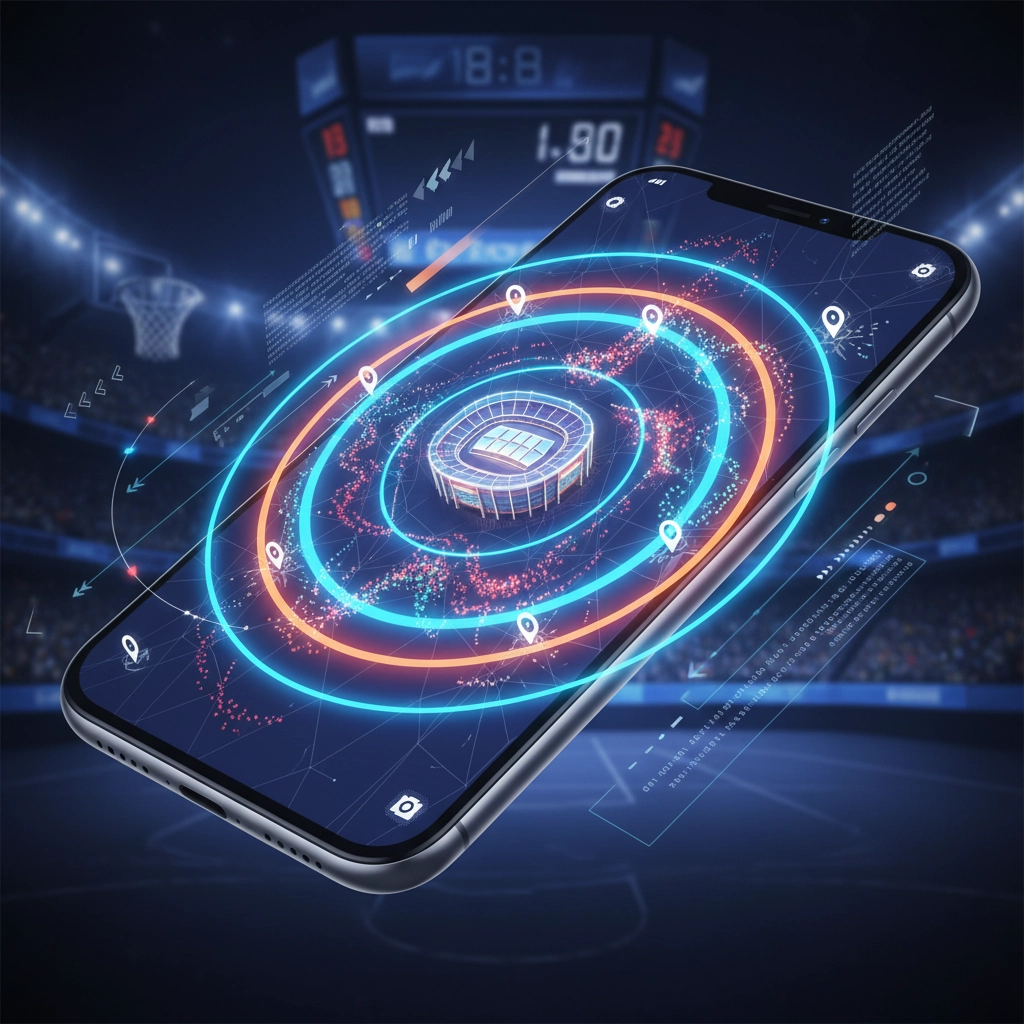
Social media platforms like Facebook, Instagram, and Snapchat offer incredibly precise location targeting that goes beyond basic radius targeting. You can target people who have been to the stadium before, people who follow the team on social media, or even people whose friends are currently in the area.
Physical Presence: Claiming Your Territory
While digital marketing handles the broad reach, physical presence in the 3-mile zone creates memorable, shareable experiences that digital alone can't match.
Smart brands are setting up branded experiences at sports bars, parking lots, and popular fan gathering spots. These aren't just "put up a banner and hope for the best" activations. They're carefully orchestrated experiences that add genuine value to the fan's game day.
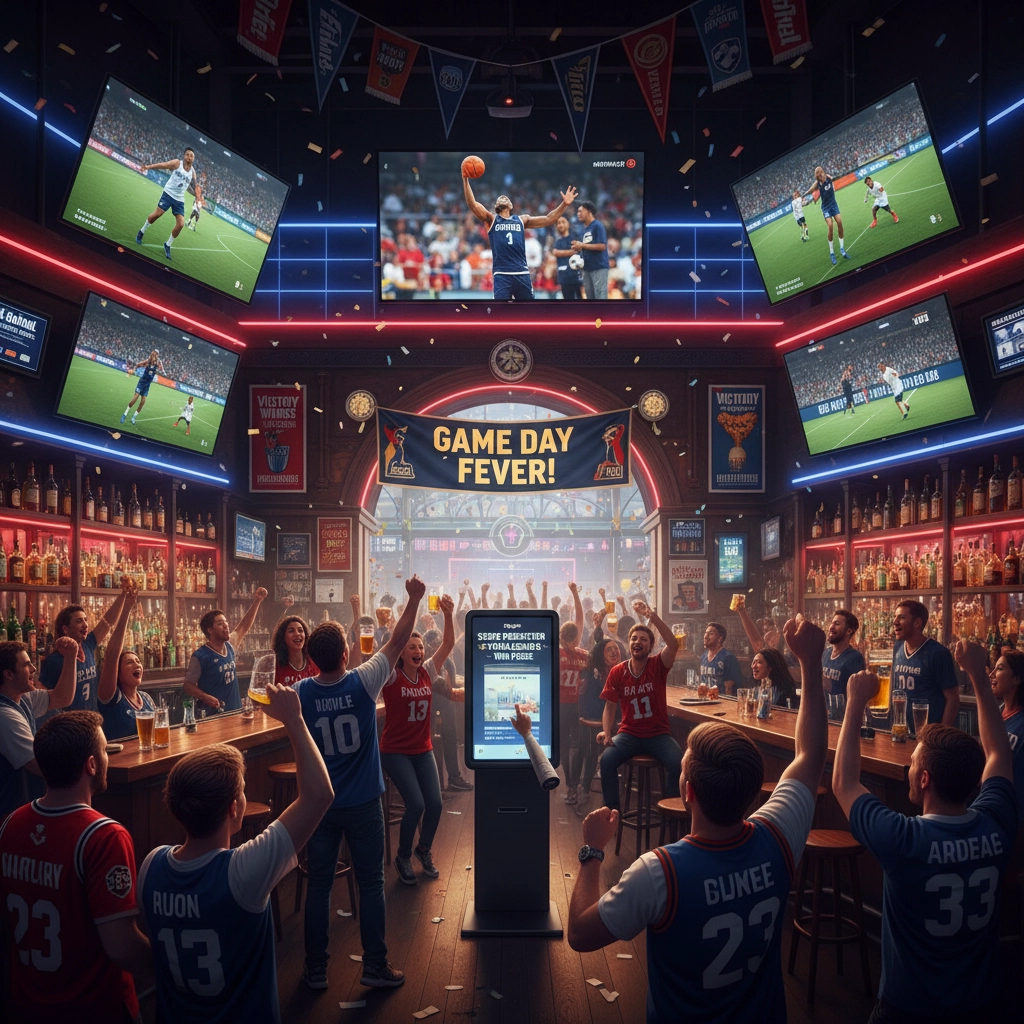
Take sports bars within the zone. Instead of just buying traditional advertising, innovative brands are partnering with establishments to create unique game-day experiences. This might include branded drink specials that change based on game developments, interactive games with team-related prizes, or exclusive content viewing parties.
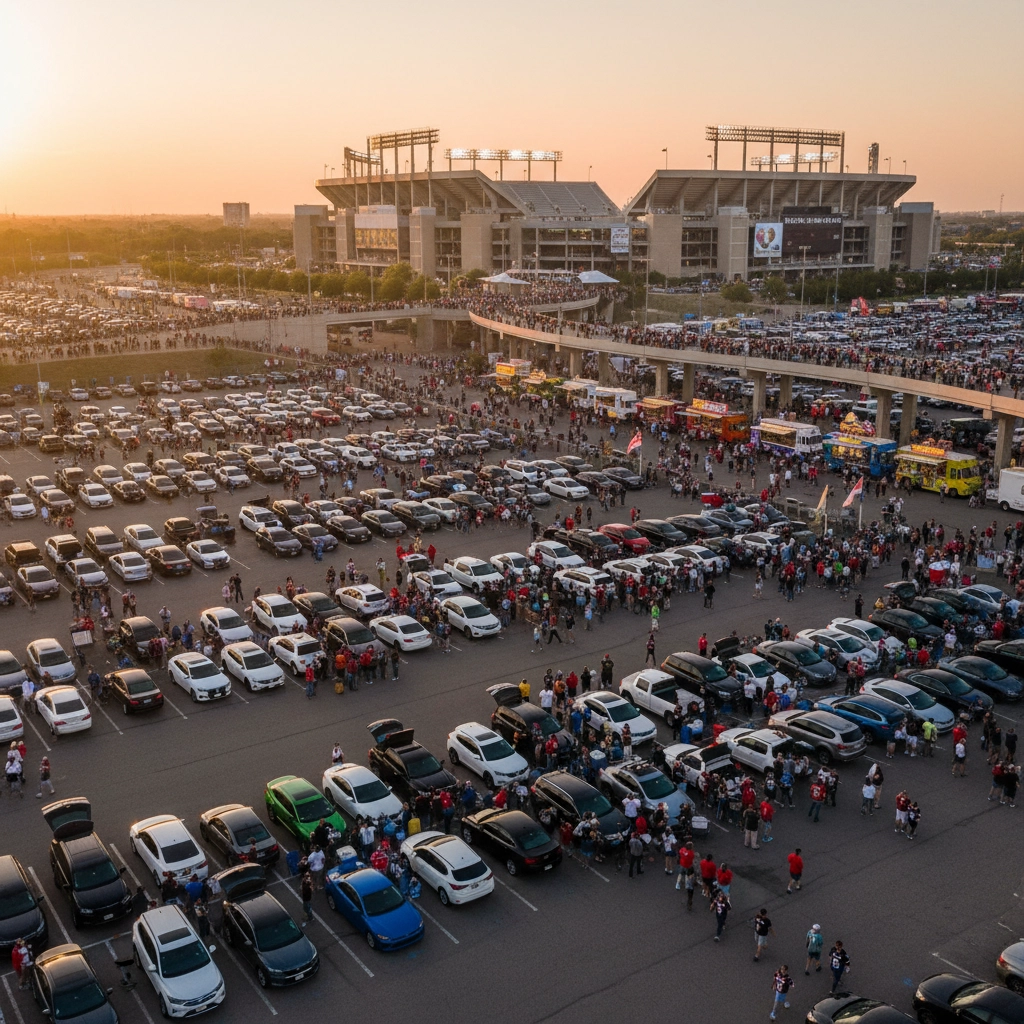
Parking lots represent another massive opportunity. Fans are literally trapped in these spaces for 15-30 minutes before and after games. Brands are creating mobile experiences that can move between different parking areas, offering everything from phone charging stations to quick food service to entertainment while fans wait in traffic.
The Power of Partnerships and Cross-Promotion
The most successful 3-Mile Rule campaigns don't work in isolation. They create strategic partnerships with other businesses in the zone to amplify their reach and create more compelling experiences for fans.
Restaurant chains are partnering with ride-sharing services to offer discounts to fans traveling to games. Retail stores are teaming up with sports bars to create "shop and watch" experiences. Even gas stations are getting in on the action, offering team-branded fuel rewards and convenience store promotions.
These partnerships work because they recognize that game day isn't just about the game – it's about the entire experience surrounding it. Fans aren't just looking for one thing; they need food, transportation, entertainment, and social experiences. Brands that can connect these dots create more value and capture more attention.
Timing Is Everything: The Game Day Timeline
Understanding when fans enter the 3-mile zone is crucial for campaign success. Most fans arrive 2-4 hours before kickoff, but their needs and mindset evolve throughout this window.
Early arrivals (3-4 hours before) are often looking for food and social experiences. They're not in a rush and are more likely to engage with longer-form content or experiences that require time investment.
Mid-timing fans (1-2 hours before) are focused on logistics – parking, meeting friends, getting settled. They want quick, helpful information and services that make their experience smoother.
Last-minute arrivals (30 minutes before) are in crisis mode. They need immediate solutions for parking, food, or getting to their seats quickly.
Smart brands create different messaging and offers for each of these timeline segments, ensuring they're always providing relevant value regardless of when fans encounter their brand.
Measuring Success Beyond Traditional Metrics
Traditional advertising metrics fall short when measuring 3-Mile Rule campaigns because the goal isn't just immediate conversions – it's about capturing fans during a high-emotion, high-spending moment and building lasting brand connections.
Success metrics should include location-based engagement rates, app downloads within the zone, social media shares tagged with location data, and perhaps most importantly, return visits to brand locations or websites during future game days.
The most sophisticated campaigns track fans' entire game day journey, measuring touchpoints from first exposure in the 3-mile zone through post-game engagement. This creates a complete picture of how pre-stadium marketing influences overall fan behavior and lifetime value.
Making It Work for Any Budget
The beauty of the 3-Mile Rule is that it scales to any budget size. Small local businesses can focus on hyper-local targeting and partnerships with nearby establishments. Medium-sized brands can invest in more sophisticated geofencing and mobile advertising campaigns. Large enterprises can create comprehensive, multi-channel experiences that dominate the entire 3-mile ecosystem.
The key is starting with a clear understanding of your target fan's game day journey and identifying the moments where your brand can add genuine value. Whether that's helping them find parking, enhancing their social experience, or simply putting your message in front of them when they're most receptive, the 3-Mile Rule provides a framework for making every marketing dollar work harder.
The Future of Fan Capture
As location technology becomes more precise and fan behavior data becomes richer, the opportunities within the 3-mile zone will only expand. Augmented reality experiences, AI-powered personalization, and real-time behavioral triggers are already being tested by forward-thinking brands.
The teams and brands that master the 3-Mile Rule today will have a significant advantage as sports marketing continues to evolve. They'll have established relationships with fans during high-engagement moments, built valuable location and behavior data, and created systems for consistently reaching sports audiences when they're most ready to engage.

The stadium will always be the main event, but the smart money is on capturing fans before they ever walk through those gates. In the world of sports marketing, the game starts three miles out.